
What is a Curtain Wall View and What Uses Does It Have?

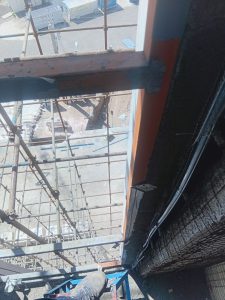
What is a Curtain Wall View and What Uses Does It Have? In modern architecture, the term “curtain wall” refers to a building façade system that does not carry any structural load from the building other than its own weight and the environmental forces that act upon it. The concept of a curtain wall view encompasses not only the physical structure but also the visual experience it provides—highlighting transparency, light transmission, and an uninterrupted outward view. This article dives into what curtain wall views are, how they function, and their extensive range of uses in today’s construction and design industries.
What is a Curtain Wall System?
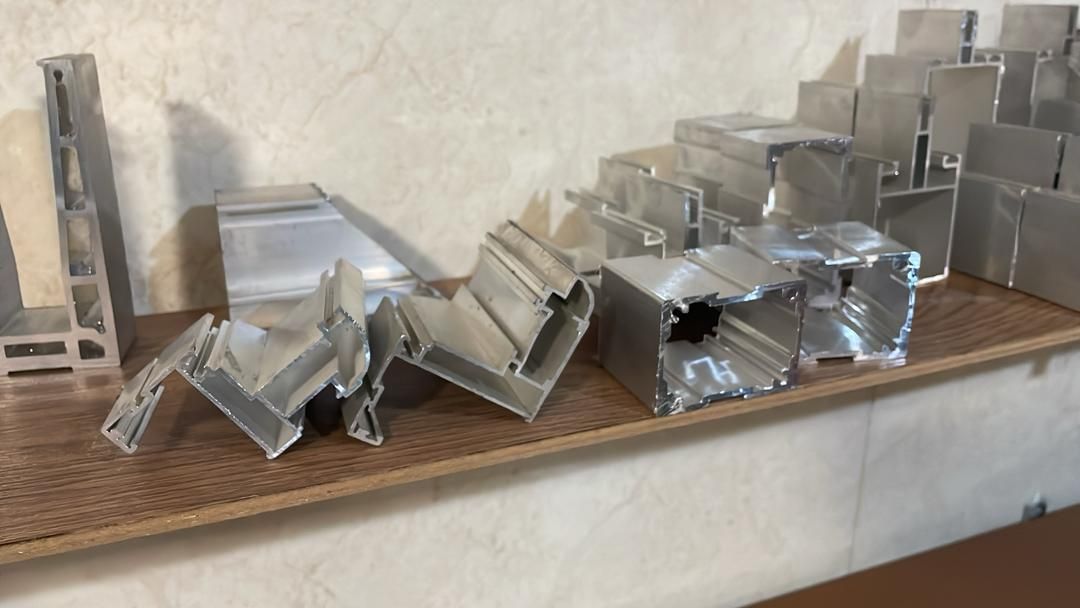
A curtain wall system is a type of non-structural cladding that is attached to the exterior frame of a building. Typically made from lightweight materials like aluminum framing and glass panels, the curtain wall encloses the building without supporting the floor or roof loads. Instead, it transfers external forces such as wind pressure and seismic loads to the main structure.
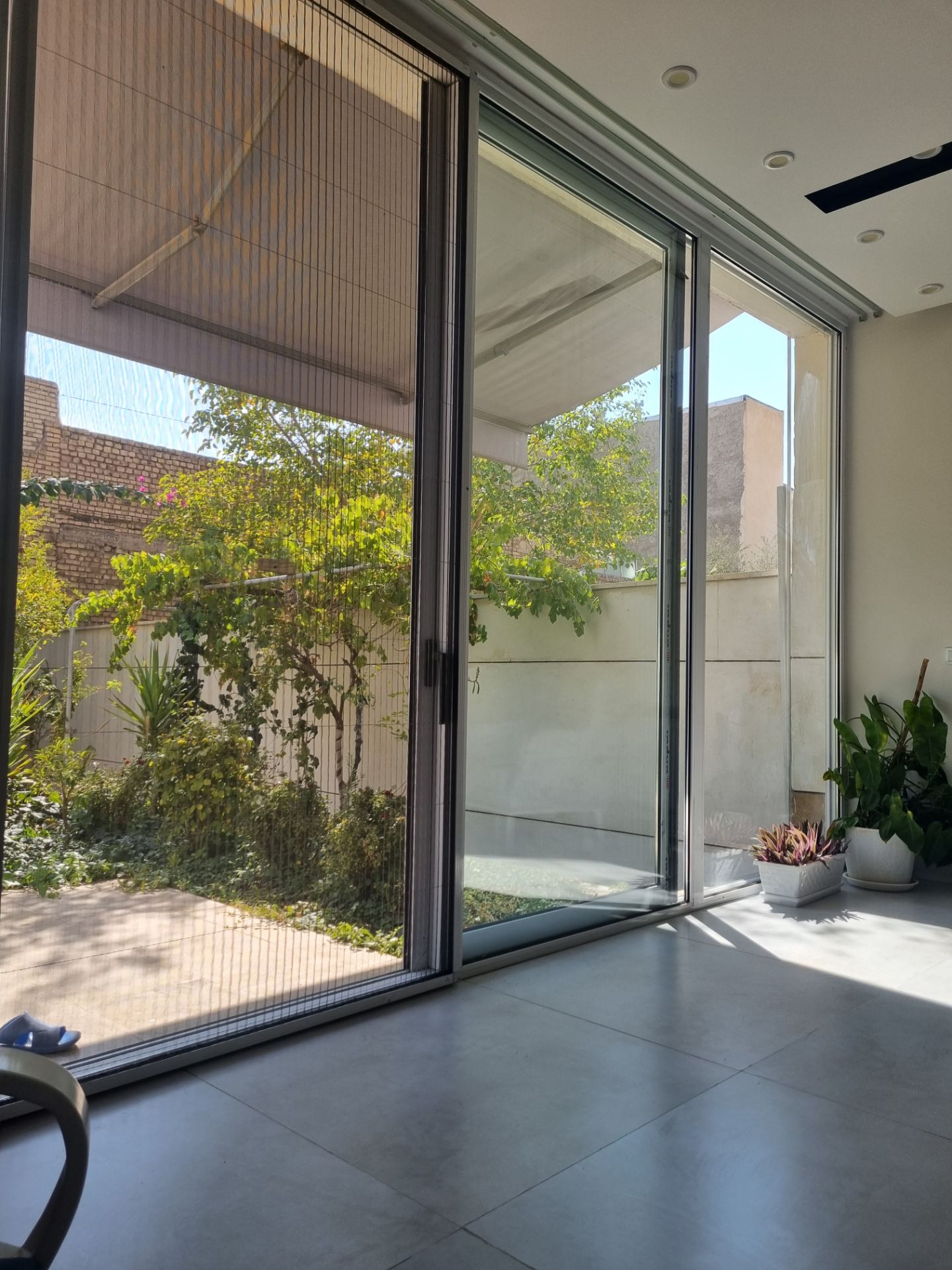
These systems are most commonly found on high-rise buildings, modern office towers, commercial plazas, and institutional structures where aesthetic appeal and energy efficiency are a priority. The term “view” in “curtain wall view” focuses on the transparency and openness that such systems offer—an unbroken visual connection between the building’s interior and the outside environment.
Core Components of Curtain Wall Views
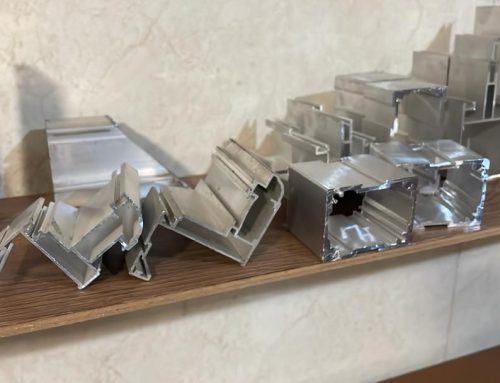
- Vertical Mullions: These are upright structural members that span from floor to floor and hold the horizontal framing members in place.
- Horizontal Transoms: These elements distribute loads and connect the vertical mullions.
- Glazing Units: The transparent or translucent panels (usually glass) that form the visible part of the curtain wall.
- Anchoring Brackets: These secure the curtain wall system to the building frame without transferring structural loads.
- Thermal Breaks and Sealants: These components enhance insulation and prevent air and water infiltration.
What Makes Curtain Wall Views Unique?
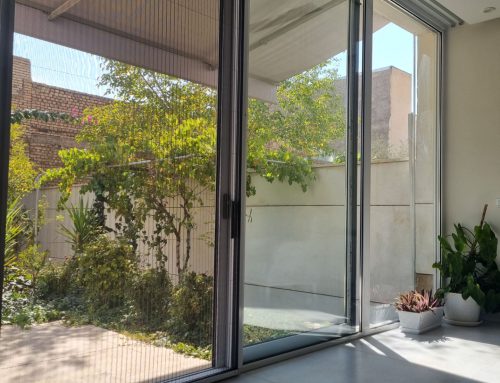
The curtain wall is not simply a design choice; it represents a balance between aesthetics and function. The visual effect of a curtain wall view can dramatically change how a building is perceived. With glass as the main element, buildings appear lighter, more open, and more modern. From inside, the unobstructed view enhances spatial quality, mental well-being, and lighting conditions.
Moreover, advancements in glazing technology allow curtain wall systems to perform well thermally, acoustically, and structurally. Options like low-E (low emissivity) glass, double or triple glazing, and integrated shading systems have made curtain walls both attractive and efficient.
Types of Curtain Wall Systems
- Stick System: Components are assembled on-site piece by piece. Ideal for low to mid-rise structures.
- Unitized System: Pre-fabricated panels are delivered and installed as whole units, improving speed and quality control in high-rise buildings.
- Structural Glazing: Uses specialized adhesives to fix glass panels directly to the frame, offering a seamless, frameless look.
Primary Uses of Curtain Wall Views
Curtain wall systems are highly versatile. Here’s how they’re used across different sectors:
1. Commercial and Corporate Buildings
In commercial real estate, curtain walls are used to project a modern, professional image. Buildings with curtain wall views appear sleek and transparent, which appeals to investors and tenants alike. They also allow natural light deep into office interiors, reducing the need for artificial lighting and improving productivity.
2. Residential High-Rises
Luxury residential buildings frequently use curtain walls to provide panoramic city or nature views. The glass façade enhances the real estate value, while double-glazed units offer insulation and noise reduction. Residents benefit from a sense of openness and improved well-being through access to daylight and vistas.
3. Healthcare Facilities
Hospitals and medical centers adopt curtain wall systems to create bright, welcoming environments that support healing. Transparency improves wayfinding and reduces stress for patients and visitors. Furthermore, modern curtain wall systems meet stringent hygiene and performance standards.
4. Educational Institutions
Universities and schools use curtain walls in libraries, atriums, and classrooms to foster a light-filled and collaborative learning atmosphere. The use of daylight reduces energy costs and enhances academic performance, according to multiple studies on student wellness and light exposure.
5. Retail and Shopping Malls
Retail spaces benefit greatly from curtain wall views. Customers are naturally drawn to bright, visible interiors. Curtain walls blur the lines between inside and out, allowing passersby to see merchandise displays and inviting them into the store. They are also ideal for creating open-air concepts in malls or urban retail settings.
6. Airports and Transportation Terminals
Curtain walls are widely used in transportation hubs where visibility, openness, and crowd movement are essential. They facilitate natural surveillance, maximize daylight, and reduce dependence on artificial lighting, especially in airport terminals, train stations, and bus depots.
7. Museums and Cultural Centers
Institutions that prioritize visual experience—like art galleries and museums—often rely on curtain wall systems. These structures allow controlled natural light while protecting exhibits through specialized coatings and filtering systems.
Benefits of Curtain Wall Views
- Visual Transparency: Promotes connection with the outside world and improves building aesthetics.
- Natural Lighting: Reduces energy costs and improves the mood and productivity of occupants.
- Thermal and Acoustic Control: With proper glazing, curtain walls can offer excellent insulation and sound reduction.
- Ease of Maintenance: Most curtain walls are designed for long-term durability and easy cleaning or glass replacement.
- Fire and Weather Resistance: Many systems are tested and certified for fire safety and resistance to wind, water, and earthquakes.
Challenges and Considerations
Despite their many advantages, curtain walls require expert design and installation. Improper sealing, poor thermal performance, or structural miscalculations can lead to water leaks, condensation, or excessive energy use. That’s why collaboration between architects, engineers, and manufacturers is crucial.
Another consideration is cost. While curtain walls offer long-term savings, their upfront costs—especially in high-performance systems—can be significant. However, in terms of design impact, energy efficiency, and occupant experience, they often justify the investment.
Conclusion
A curtain wall view is more than just an architectural trend—it’s a forward-thinking solution that balances beauty, transparency, and technical performance. Whether it’s a soaring corporate tower, a bustling airport, or a peaceful residential skyscraper, curtain wall systems elevate both the exterior impression and interior experience of a building. As architectural innovation continues to evolve, curtain wall views will remain a defining feature of modern urban skylines worldwide.

Leave A Comment