
Exporting Aluminum Profiles Worldwide


Introduction
Aluminum profiles have become one of the most critical materials in contemporary construction, industrial manufacturing, and technological applications. Their lightweight nature, high strength, corrosion resistance, and versatility make them indispensable for both structural and decorative purposes. The international market for aluminum profiles is expanding rapidly due to urbanization, industrialization, and technological advancement across all continents. Manufacturers looking to tap into global markets must understand the specific requirements of different regions, including regulatory standards, distribution methods, and market trends. This article provides an in-depth analysis of aluminum profile varieties, global market opportunities, export strategies, logistical challenges, and best practices for successful worldwide sales.
Varieties of Aluminum Profiles
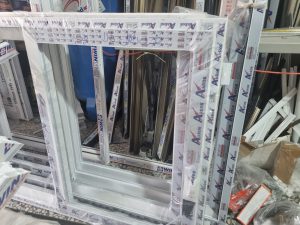
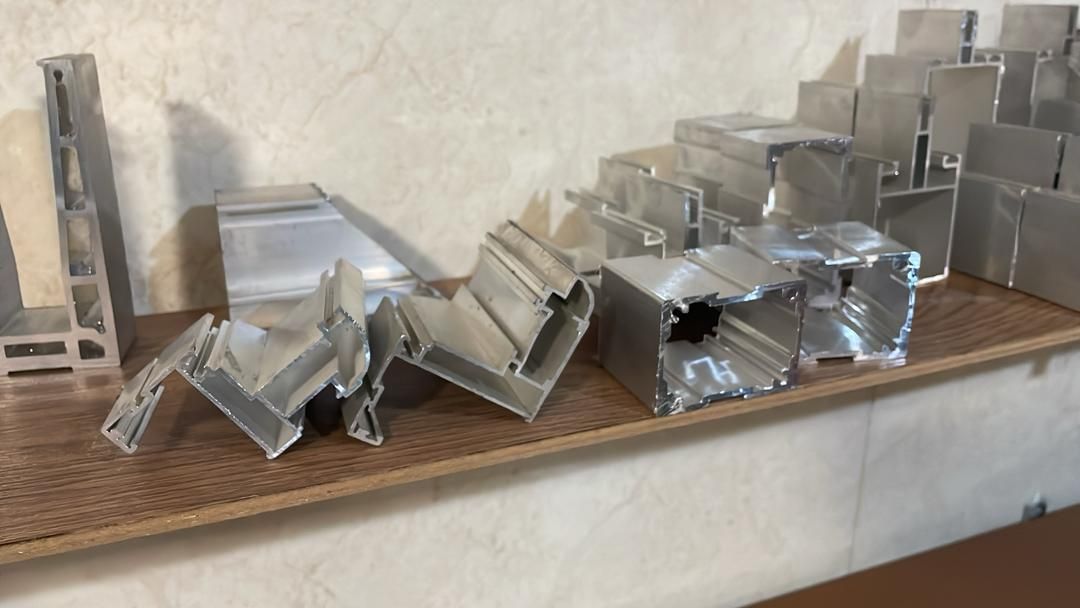
Aluminum profiles come in diverse types and designs to meet specific industry and architectural needs:
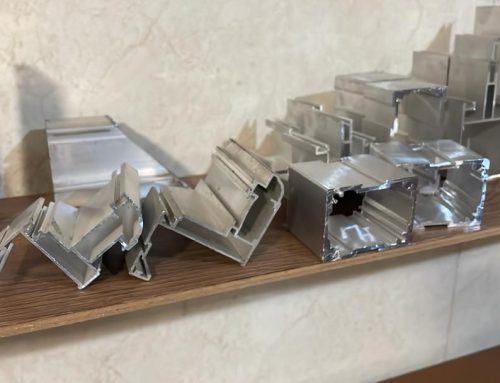
- T-Slot Profiles: Commonly used in industrial automation, assembly lines, and modular workstations due to their modular design and flexibility.
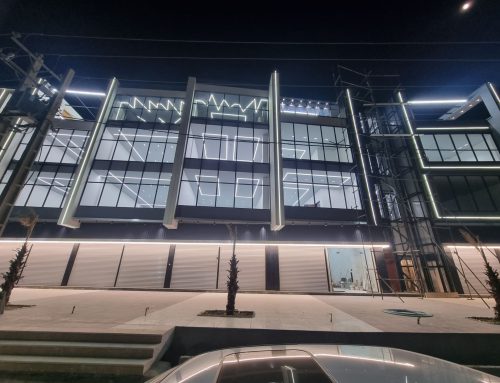
- Structural Profiles: Designed for building frameworks, bridges, curtain walls, and infrastructure projects, offering load-bearing strength and durability.
- Heat-Sink Profiles: Applied in electronics, lighting systems, and industrial equipment to efficiently dissipate heat and maintain performance.
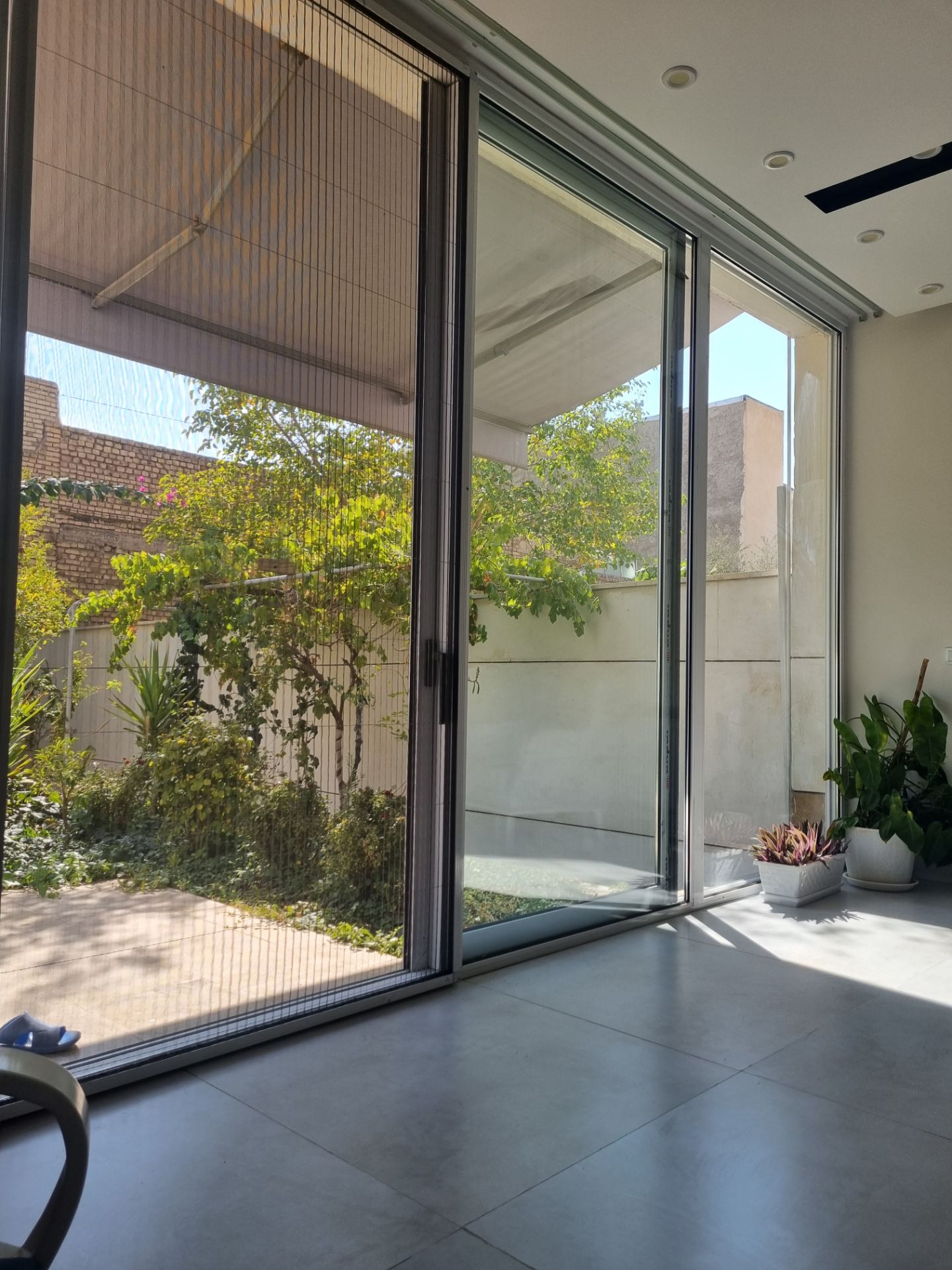
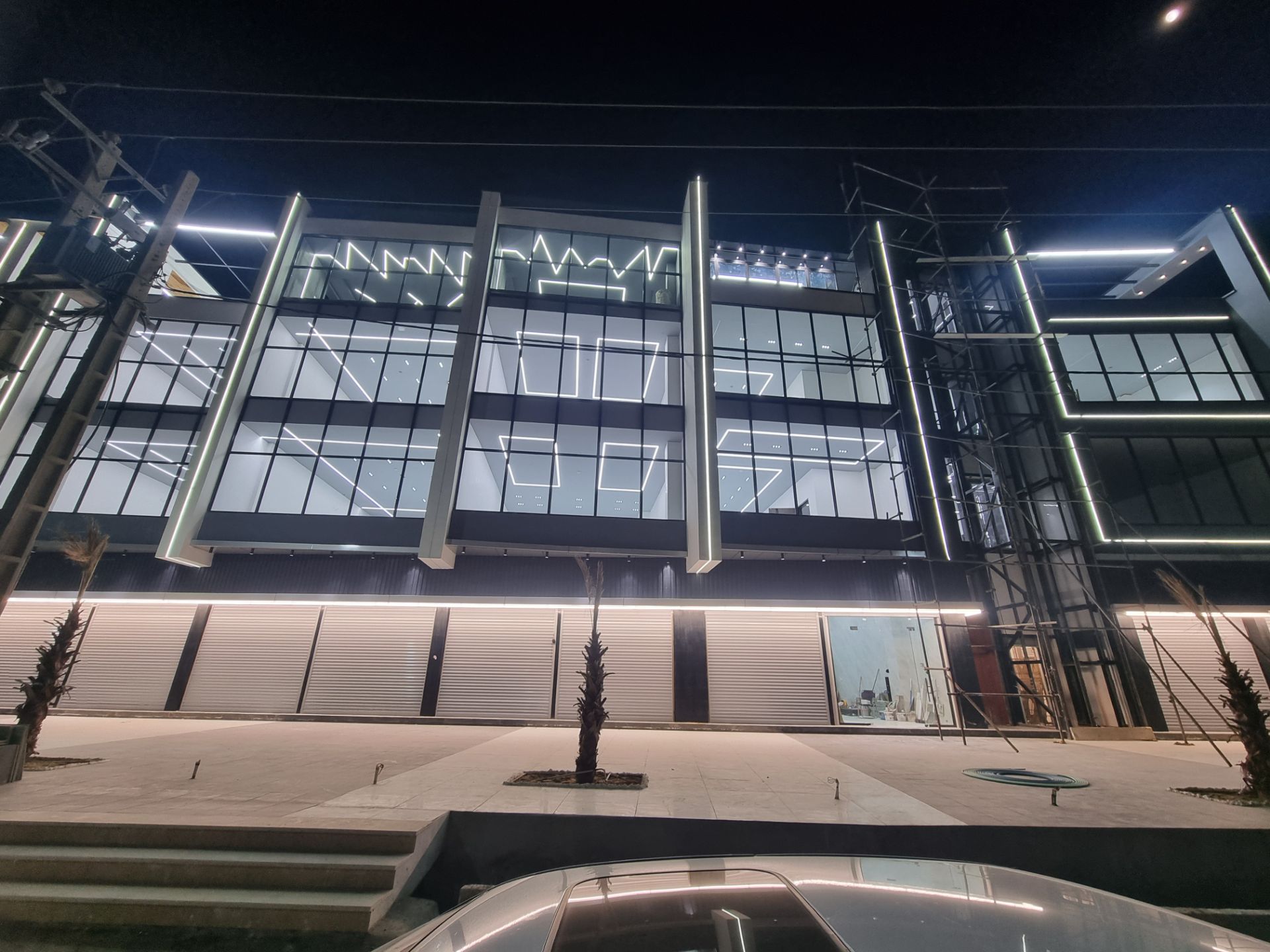
- Decorative Profiles: Utilized in interior design, furniture, window frames, and architectural facades for aesthetic enhancement without compromising strength.
- Custom Extrusions: Tailored profiles designed to meet unique engineering or architectural requirements, offering specialized solutions for complex projects.
- Lightweight High-Strength Profiles: Developed for aerospace, automotive, and transportation industries where weight reduction is crucial without sacrificing structural integrity.
- Precision Industrial Profiles: Suitable for machinery and industrial equipment requiring exact dimensions and performance under stress.
Global Market Overview
The demand for aluminum profiles is influenced by industrial growth, urban development, and infrastructure projects in different regions:
- North America: High demand in automotive, aerospace, and industrial machinery sectors. Certified, high-quality profiles are essential for regulatory compliance and safety.
- Europe: Focus on sustainable building practices, energy-efficient construction, and high-precision architectural solutions. Environmental compliance and recyclability drive demand.
- Asia: Rapid urbanization and industrial expansion increase the need for versatile aluminum profiles in construction, manufacturing, and infrastructure.
- Middle East: High-rise buildings, luxury construction, and large-scale infrastructure projects demand durable and visually appealing aluminum solutions.
- Africa: Emerging markets rely on cost-effective and durable aluminum profiles for residential, commercial, and industrial applications.
- South America: Industrial growth and urbanization drive demand for modular, versatile, and affordable aluminum profiles.
Advantages of Aluminum Profiles
| Feature | Benefit |
|---|---|
| Lightweight | Reduces handling, shipping, and installation costs while enabling modular construction. |
| Durable | Resistant to corrosion, mechanical wear, and environmental stress for long-term performance. |
| Versatile | Customizable for industrial, architectural, and decorative applications. |
| Recyclable | Supports sustainable manufacturing and reduces environmental impact. |
| Thermal Conductivity | Efficient heat dissipation in electronics, lighting, and industrial machinery. |
| High Strength-to-Weight Ratio | Maintains structural integrity without adding excessive weight, ideal for transport and aerospace. |
| Design Flexibility | Supports complex architectural designs, industrial solutions, and innovative construction methods. |
| Corrosion Resistance | Ensures durability in harsh environmental conditions, including coastal and industrial areas. |
Export Strategies for Global Markets
Effective export strategies are essential for reaching international clients successfully:
- Compliance with Standards: Ensure profiles meet ISO, ASTM, EN, and local regulatory requirements for different markets.
- Product Customization: Offer tailored solutions to meet specific regional industrial or architectural demands.
- Distribution Networks: Partner with local distributors, contractors, and resellers to ensure efficient delivery and market coverage.
- Pricing Strategies: Maintain competitive pricing while ensuring high-quality standards.
- Marketing Channels: Utilize digital marketing, trade shows, and international exhibitions to expand visibility.
- After-Sales Support: Provide technical guidance, installation support, and warranty services to build trust with international clients.
Challenges in International Aluminum Profile Sales
- Volatile raw material costs affecting pricing and profitability.
- Complex customs and import/export regulations leading to potential delays.
- Diverse certification requirements across regions requiring additional documentation.
- Intense competition from both local and international manufacturers.
- Maintaining consistent quality across multiple batches and shipments.
- Currency fluctuations impacting revenue and pricing strategies.
Technological Trends and Innovations
- Automation in extrusion processes improves precision, efficiency, and scalability.
- Advanced lightweight alloys for aerospace, automotive, and industrial applications.
- Sustainable production practices, including recycling and energy-efficient extrusion processes.
- Digital platforms streamline order processing, logistics, and customer engagement.
- Customizable decorative finishes meet growing architectural and interior design demands.
- Integration of smart manufacturing ensures consistent quality and reduces material waste.
Best Practices for International Expansion
- Conduct detailed market research to identify regional demands, pricing, and competitors.
- Invest in certifications and quality control programs to enhance credibility.
- Maintain production flexibility to handle custom orders for diverse markets.
- Develop reliable logistics networks to ensure timely delivery worldwide.
- Leverage trade shows and digital marketing to increase visibility in global markets.
- Continuously innovate products to adapt to emerging trends and client needs.
- Provide comprehensive after-sales support, technical assistance, and warranty services for international customers.
Conclusion
The international aluminum profile market presents significant opportunities for manufacturers who adopt strategic production, distribution, and export practices. Understanding regional requirements, maintaining high-quality standards, leveraging technological innovations, and implementing efficient logistics and sales strategies are essential for success. Aluminum profiles continue to serve as critical components in modern construction, industrial applications, and technological developments, offering durable, lightweight, versatile, and sustainable solutions to meet the evolving needs of industries worldwide.

Leave A Comment