
Aluminum Profiles for Global Industries


Introduction
Aluminum Profiles for Global Industries Aluminum profiles have emerged as a cornerstone material in modern industries, ranging from construction and architecture to industrial automation and transportation. Their combination of lightweight design, high strength, corrosion resistance, and adaptability makes them indispensable for both functional and aesthetic applications. The global market for aluminum profiles continues to expand rapidly, fueled by urbanization, industrialization, technological advancement, and sustainable building initiatives. Manufacturers seeking international growth must understand market dynamics, regional standards, and effective distribution strategies. This article provides a detailed analysis of aluminum profiles, global market trends, distribution methods, challenges, and strategies for successful worldwide sales.
Types of Aluminum Profiles
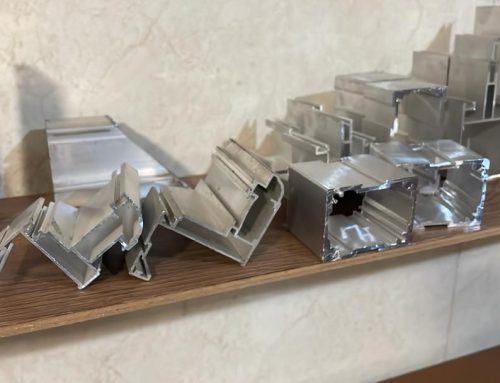
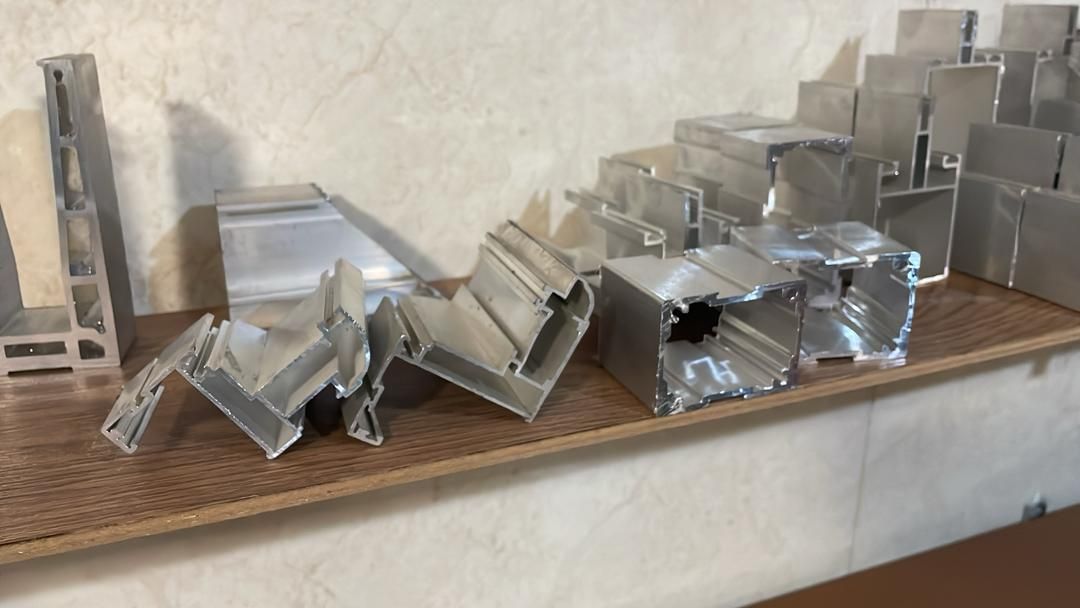
Aluminum profiles are manufactured in various shapes, sizes, and specifications to cater to diverse industry needs:
- T-Slot Profiles: Commonly used in industrial automation, machinery frames, assembly lines, and modular workstations. Their modularity allows for easy system configuration and fast installation.
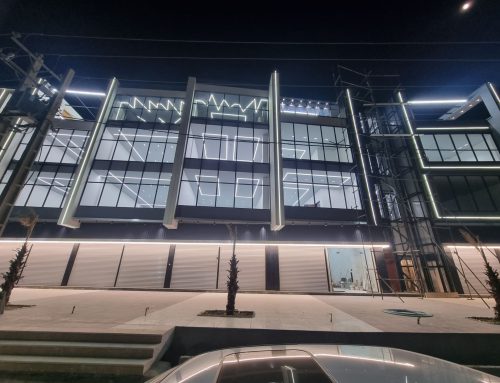
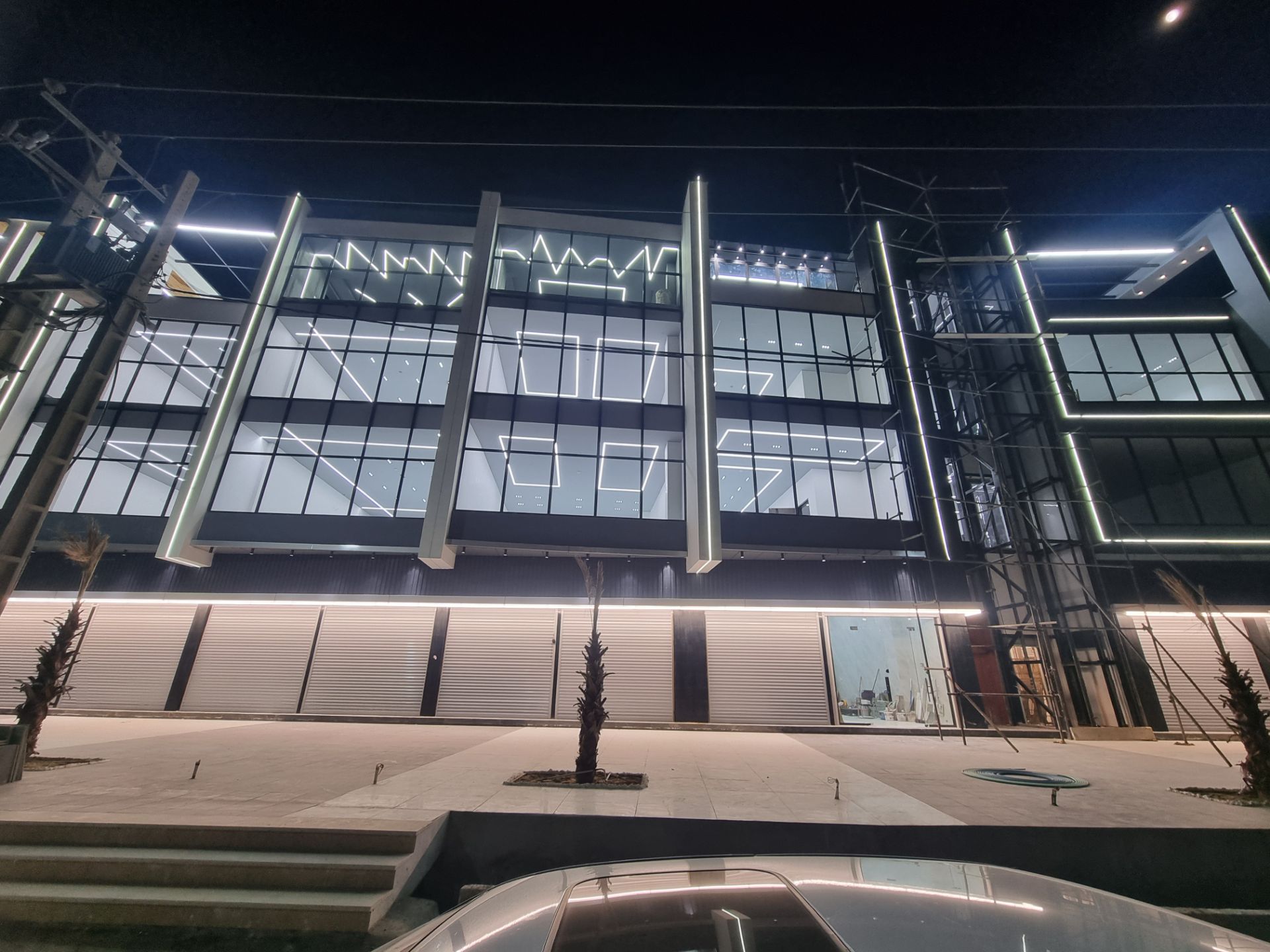
- Structural Profiles: Essential for building frameworks, curtain walls, bridges, and large-scale construction projects. Their robust design ensures load-bearing stability and long-term reliability.
- Heat-Sink Profiles: Utilized in electronics, LED lighting, and industrial equipment for effective heat management and operational efficiency.
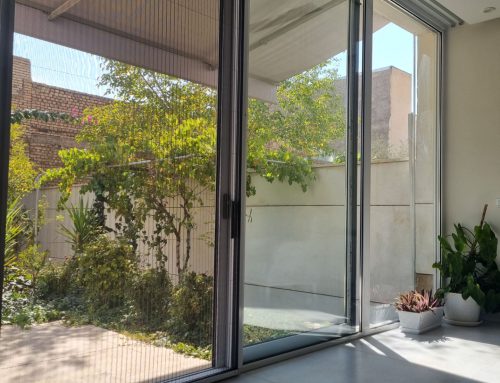
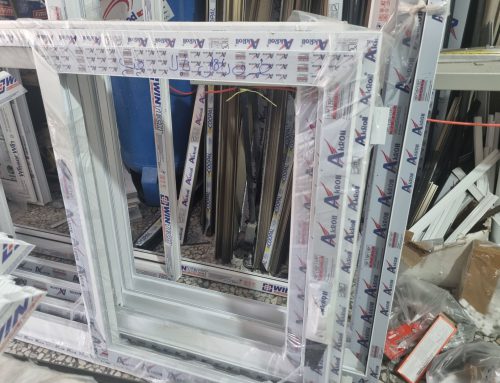
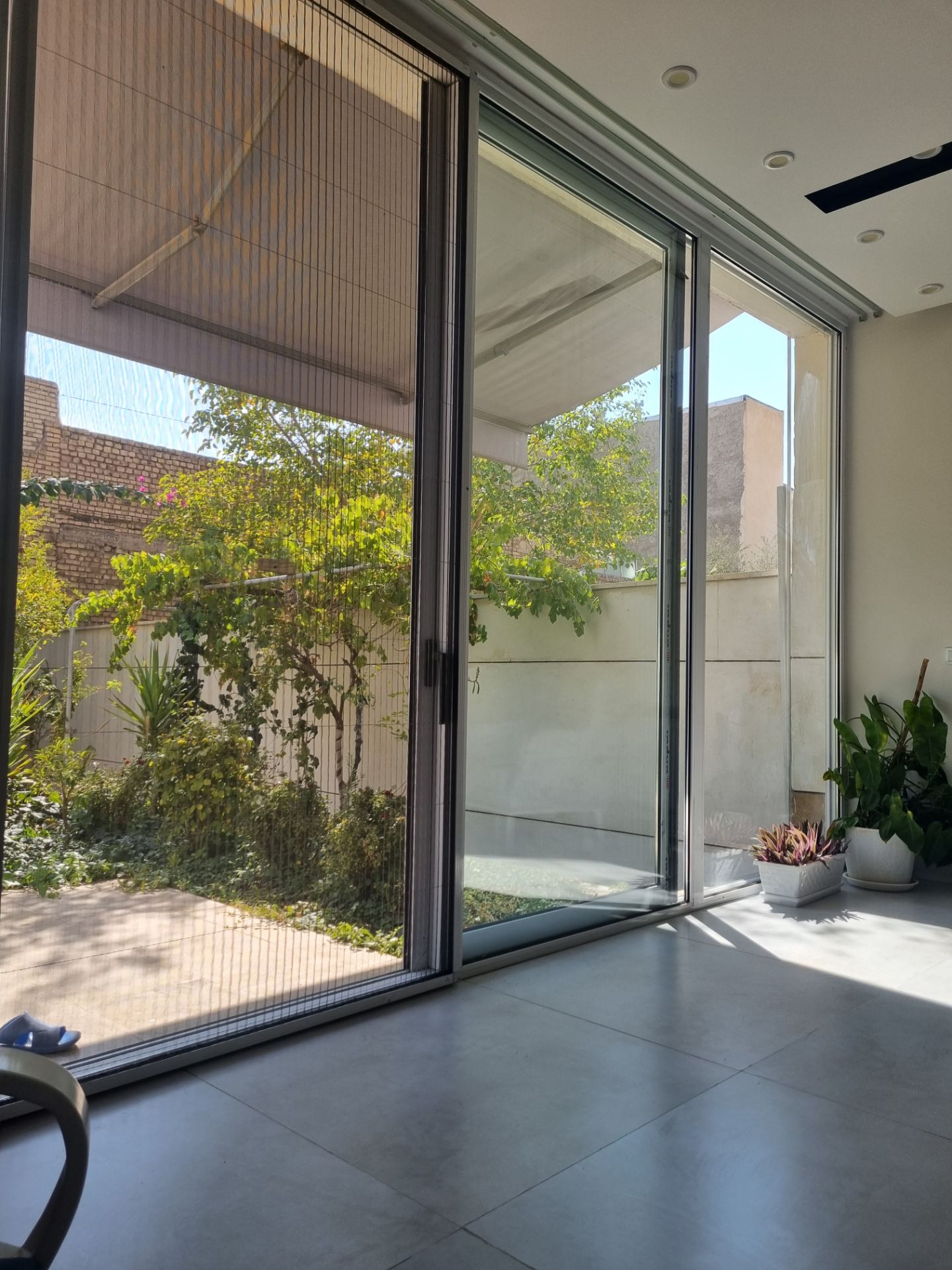
- Decorative Profiles: Applied in interior design, furniture, window systems, and architectural facades, combining aesthetic appeal with structural integrity.
- Custom Extrusions: Tailored profiles designed to meet unique engineering or architectural requirements. These solutions cater to specialized projects requiring specific shapes or functions.
- Lightweight High-Strength Profiles: Developed for transportation, aerospace, and automotive sectors, where reducing weight without compromising strength is critical.
- Precision Industrial Profiles: Designed for machinery and industrial equipment requiring high dimensional accuracy and durability.
Global Market Dynamics
The demand for aluminum profiles varies regionally, shaped by industrial growth, infrastructure development, and technological adoption:
- North America: Strong demand in automotive, aerospace, and industrial machinery sectors. Emphasis on certified, high-quality profiles that meet safety and regulatory standards.
- Europe: Focuses on sustainable building, energy-efficient construction, and precision-engineered solutions. Recyclability and environmental compliance are key drivers.
- Asia: Rapid urbanization and industrial expansion create high-volume demand for construction, machinery, and infrastructure projects.
- Middle East: Infrastructure development, luxury construction, and high-rise buildings drive demand for durable and visually appealing profiles.
- Africa: Emerging markets seek cost-effective, reliable profiles for residential, commercial, and industrial applications.
- South America: Urbanization and industrial growth increase demand for modular, versatile, and affordable aluminum solutions.
Advantages of Aluminum Profiles
| Feature | Benefit |
|---|---|
| Lightweight | Facilitates easier handling, reduces shipping and installation costs, and supports modular construction. |
| Durable | Resistant to corrosion, weathering, and mechanical stress, ensuring long-term reliability. |
| Versatile | Customizable profiles suitable for industrial, architectural, and decorative applications. |
| Recyclable | Supports environmentally sustainable practices and aligns with global green standards. |
| Thermal Conductivity | Efficiently dissipates heat for electronics, lighting, and industrial machinery applications. |
| High Strength-to-Weight Ratio | Maintains structural integrity without unnecessary weight, critical for transportation and aerospace applications. |
| Design Flexibility | Enables complex architectural designs, innovative industrial solutions, and modular constructions. |
| Corrosion Resistance | Ensures long lifespan even in harsh environmental conditions, including coastal and industrial areas. |
Export and Distribution Strategies
Effective distribution and export strategies are essential for reaching international markets:
- Regional Warehousing: Establishing warehouses in strategic locations reduces lead times and shipping costs.
- Logistics Optimization: Utilizing sea, air, and land transportation ensures efficient delivery to global customers.
- Regulatory Compliance: Adhering to international standards, certifications, and local regulations enhances credibility.
- Local Partnerships: Collaborating with distributors, contractors, and resellers improves market access and customer support.
- Inventory Management: Maintaining sufficient stock levels ensures timely fulfillment and reduces production delays.
- Customized Packaging: Protects profiles during transportation, preventing surface damage or deformation.
Challenges in Global Aluminum Profile Sales
- Volatile raw material costs affecting profit margins and pricing strategies.
- Complex international shipping and customs regulations can delay deliveries.
- Diverse certification requirements across countries demand additional compliance efforts.
- Intense competition from regional and global manufacturers.
- Ensuring consistent quality across multiple production batches and regions.
- Currency fluctuations impacting revenue and export profitability.
Technological Trends and Innovations
- Advanced extrusion technologies improve precision, efficiency, and scalability in production.
- Development of lightweight, high-strength alloys enhances performance for transportation and industrial applications.
- Sustainable production practices, including recycling and energy-efficient processes, meet global environmental standards.
- Integration of digital platforms streamlines international sales, supply chain management, and customer engagement.
- Customizable decorative finishes cater to architectural and interior design markets.
- Automation and smart manufacturing systems ensure consistent quality and reduce waste.
Best Practices for International Expansion
- Conduct comprehensive market research to identify regional demands, competitor strategies, and pricing trends.
- Invest in international certifications and robust quality control systems.
- Develop flexible production capabilities to accommodate custom orders efficiently.
- Build reliable logistics networks to ensure timely global deliveries.
- Participate in trade exhibitions and employ digital marketing campaigns to enhance visibility.
- Continuously innovate products to adapt to market trends and evolving customer needs.
- Provide comprehensive after-sales support, including technical guidance and warranty services.
Conclusion
The global aluminum profile market offers vast opportunities for manufacturers who adopt strategic production, distribution, and export approaches. By understanding regional requirements, maintaining high-quality standards, leveraging technological innovations, and implementing efficient logistics and sales strategies, companies can expand their international presence successfully. Aluminum profiles will continue to play a pivotal role in modern construction, industrial applications, and technological innovation, providing durable, lightweight, versatile, and sustainable solutions for global industries.

Leave A Comment