
Disadvantages of curtain wall facades and their difference from frameless
Disadvantages of curtain wall facades and their difference from frameless Facade systems are essential in modern architecture, both for their aesthetic appeal and their functional purposes. Two popular types of facades in contemporary construction are curtain wall facades and frameless facades. Both provide striking visuals, especially in high-rise buildings, but they come with distinct advantages and disadvantages. This article explores the disadvantages of curtain wall facades and how they differ from frameless facades.
What is a Curtain Wall Facade?
A curtain wall facade refers to an exterior non-load-bearing wall system that is typically made from glass panels and metal framing. Curtain walls are designed to be installed on the building’s structural frame, providing an aesthetic outer covering. This system offers a high degree of transparency, allowing ample natural light into the building while keeping external elements at bay. Curtain walls are typically made from materials like glass, aluminum, and steel, with the purpose of protecting the interior from weather elements such as wind, rain, and snow.
Disadvantages of Curtain Wall Facades
Although curtain walls are widely used in modern architecture, they come with certain challenges and drawbacks that need to be considered during design and installation.
1. High Initial Cost
One of the primary drawbacks of curtain wall facades is their high initial cost. The materials, such as glass, aluminum, and steel, can be expensive, and the complexity of designing, manufacturing, and installing a curtain wall system adds to the overall cost. In addition, the labor involved in precise installation and the use of high-quality, specialized materials often makes curtain walls a significant investment. Though durable, their upfront cost can be a barrier for some projects.
2. Installation Complexity
Installing a curtain wall facade is far from a simple process. The system requires precise engineering and careful installation, particularly in high-rise buildings where the curtain wall panels need to be fitted accurately. The process of attaching large panels of glass or metal to a building’s framework involves intricate measurements, special equipment, and highly skilled labor. Any mistakes during installation can lead to structural weaknesses or aesthetic issues, requiring costly corrections.
3. Thermal Performance Concerns
Curtain walls are often criticized for their thermal performance. The materials used in curtain walls, such as glass, can allow heat to escape or enter the building, especially if the glass is not insulated or treated for energy efficiency. Although modern curtain walls are designed with thermal breaks and insulated glass units, they are still generally less energy-efficient compared to traditional wall systems. This issue becomes particularly problematic in regions with extreme climates, as additional heating or cooling may be required, increasing the building’s energy consumption.
4. Maintenance Challenges
Over time, curtain walls can require significant maintenance. Glass panels need to be cleaned regularly, especially in high-rise buildings where dirt, dust, and pollution accumulate more quickly. Additionally, the seals around the glass panels may degrade due to exposure to weather, leading to leaks and reduced resistance to the elements. Ensuring that the curtain wall is sealed correctly and maintaining its structural integrity over the years requires ongoing maintenance, which can be time-consuming and costly.
5. Limited Acoustic Insulation
While curtain walls allow for ample natural light, they often lack sufficient acoustic insulation. Large glass panels, while aesthetically pleasing, can allow noise from the outside environment to filter through, especially in busy urban areas or locations near transportation hubs. Additional measures, such as double-glazed glass or specialized soundproofing layers, may be necessary to improve acoustic performance, but this can add to both the cost and complexity of the installation.
6. Structural Dependency
Curtain walls are non-load-bearing systems, meaning they do not contribute to the structural stability of the building. Instead, they rely on the building’s framework to support their weight. This makes the curtain wall system dependent on the overall structural integrity of the building itself. If the building experiences any movement or settling, the curtain wall may be affected, leading to gaps, stress points, or cracks in the glass. Additionally, because curtain walls are installed externally, they may be subject to external forces such as wind pressure, requiring careful engineering to ensure safety.
Difference Between Curtain Wall and Frameless Facades
While curtain walls are an established solution in modern architecture, frameless facades are gaining popularity due to their sleek, contemporary look. The two systems have distinct characteristics that set them apart.
1. Design and Appearance
- Curtain Wall: Curtain walls are characterized by a metal frame that supports glass panels. This frame can be visible, creating a grid-like or segmented appearance. The metal frame provides structural support for the glass panels but also interrupts the view and the visual continuity of the facade.
- Frameless Facade: In contrast, frameless facades are designed with minimal or no visible frame at all. The glass panels are installed with minimal structural components, often using adhesive bonding or silicone glazing systems. This design gives the building a seamless, clean look, with a focus on transparency and uninterrupted views.
2. Structural Support
- Curtain Wall: Curtain walls rely on external structural support. They are anchored to the building’s skeleton, and the frame is responsible for supporting the weight of the glass panels and withstanding environmental forces such as wind. The strength of the curtain wall depends on the quality of the materials and the design of the frame.
- Frameless Facade: Frameless facades, as the name suggests, have no visible frame. Instead, the glass panels themselves bear much of the load, with the glass being bonded to the building structure through specialized systems. While these systems offer a sleek appearance, the lack of an external frame can limit the size and strength of the panels.
3. Transparency and Visibility
- Curtain Wall: While curtain walls allow for large expanses of glass, the visible frames create a segmented appearance. This grid can obscure the view, making the exterior less transparent and less connected to the surrounding environment.
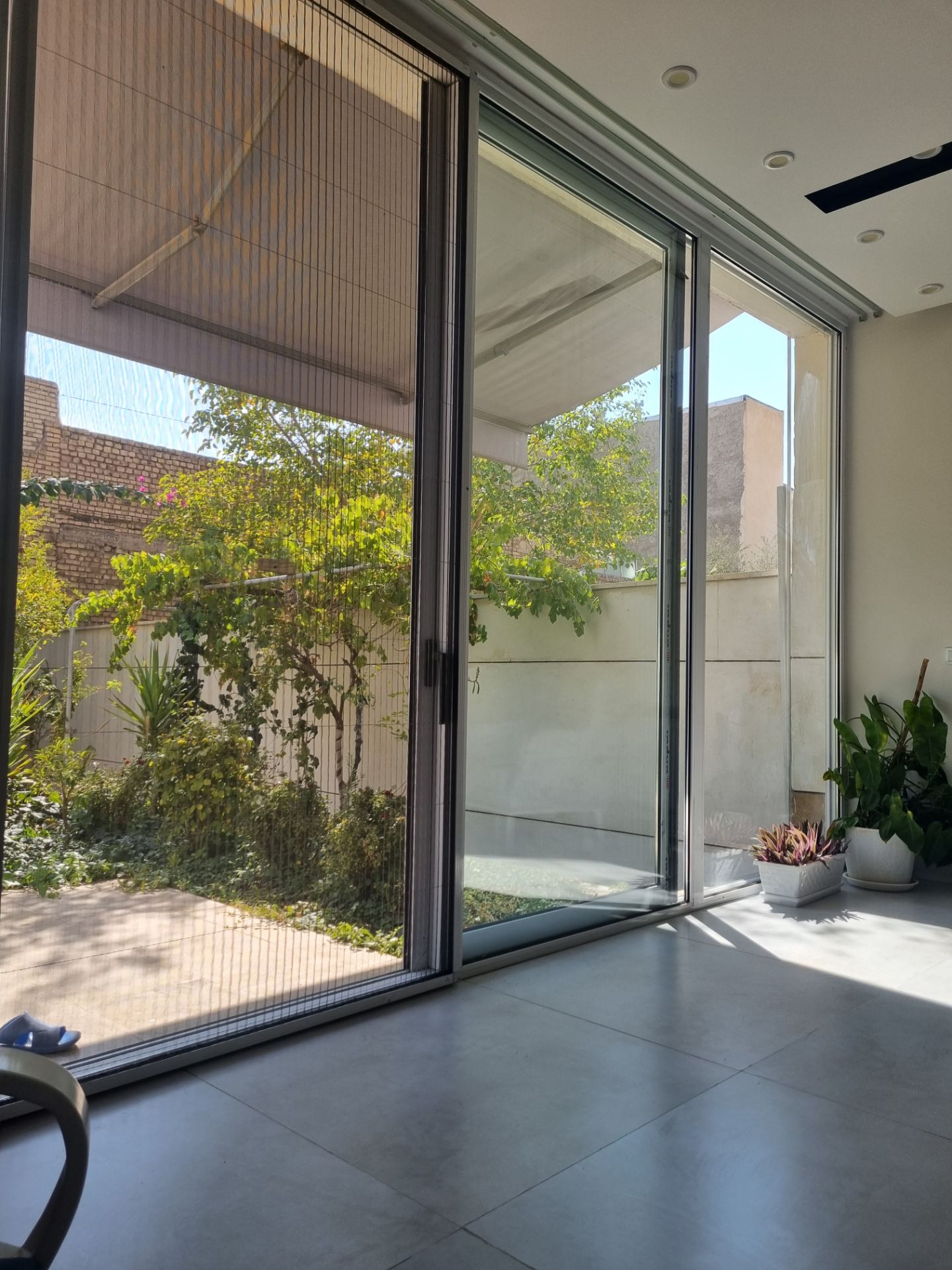
- Frameless Facade: Frameless facades provide maximum transparency. Without visible frames, the facade creates a continuous glass surface that enhances the relationship between the interior and the exterior of the building. The unobstructed views offered by frameless facades are highly valued in modern architecture.
4. Thermal Insulation
- Curtain Wall: Curtain walls can be designed to be thermally insulated with features such as double-glazing and thermally broken frames. This improves energy efficiency compared to traditional single-glazed windows. However, despite these features, curtain walls are generally not as energy-efficient as solid wall systems.
- Frameless Facade: Frameless facades often struggle with thermal insulation due to their reliance on large glass panels. Without an external frame to support thermal breaks, the glass panels can conduct heat more easily. To improve insulation, advanced glazing technologies and multi-layer glass systems are often required, which can increase both the cost and complexity of the system.
5. Maintenance and Durability
- Curtain Wall: While durable, curtain walls often require significant maintenance. Regular cleaning of the glass and checking for leaks or sealant degradation are essential tasks to ensure the system remains effective and aesthetically pleasing. The metal frames can also corrode over time if not properly maintained.
- Frameless Facade: Frameless facades have fewer components to maintain, and the absence of visible frames means there is less risk of frame corrosion. However, the glass panels themselves can be more vulnerable to impacts or damage, and regular cleaning is necessary to maintain their appearance.
6. Cost
- Curtain Wall: The cost of a curtain wall system is typically higher due to the materials, manufacturing, and labor involved. The need for a sturdy frame and precise installation adds to the overall cost of the project.
- Frameless Facade: Frameless facades are often more expensive than curtain walls because they require high-performance glass, specialized installation techniques, and custom engineering solutions. The lack of a frame system increases the material and engineering costs involved.
Conclusion
Both curtain wall and frameless facades offer unique benefits in modern architecture, and the decision between the two often depends on the project’s specific requirements. Curtain walls provide a functional, reliable, and versatile solution, especially for large buildings where insulation and structural support are critical. However, they come with higher initial costs, maintenance challenges, and potential thermal inefficiency. Frameless facades, while offering an aesthetically pleasing and transparent solution, may not provide the same level of thermal performance or structural support as curtain walls and come with higher material and installation costs.
Understanding the disadvantages of curtain wall facades and the differences between curtain wall and frameless facades is crucial when choosing the appropriate facade system for a building project. Careful consideration of factors such as cost, aesthetic preferences, thermal performance, and maintenance needs will ensure that the best facade system is selected for the project’s unique requirements.

Leave A Comment