
Curtain wall and thermal break facade
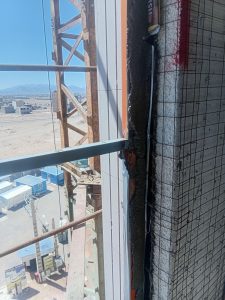
Curtain wall and thermal break facade When it comes to modern architectural design, the facade of a building plays a critical role in both appearance and performance. Two popular systems that stand out in today’s construction industry are curtain wall systems and thermal break facades. Each has distinct characteristics, advantages, and ideal use cases. This article explores the features of both systems and helps you understand which one fits your project best.
What is a Curtain Wall System?
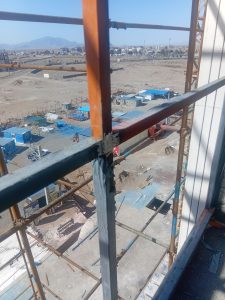
A curtain wall is a lightweight, non-load-bearing wall system made of aluminum frames and glass panels, typically attached to the exterior of a building. It does not carry any structural load from the roof or floor and functions primarily as a weather barrier and aesthetic shell.
Curtain walls are common in commercial buildings, office towers, hotels, and large-scale residential complexes. They offer a sleek, modern look and allow for plenty of natural light inside the building.
Types of Curtain Wall Systems
There are two main types of curtain wall systems:
– **Stick System**: This system involves assembling all the components (mullions, transoms, glass panels) on-site. It allows flexibility in design and is suitable for low- to mid-rise buildings.
– **Unitized System**: In this method, entire sections or modules are pre-fabricated in a factory and installed on-site. This system is quicker to install and ideal for high-rise buildings, where speed and safety are crucial.
Additionally, curtain walls can be categorized by their exterior appearance:
– **Face Cap (Visible Frame)**: Aluminum caps are visible on the exterior, creating a modular and structured aesthetic.
– **Frameless or Structural Glazing**: The glass surface appears continuous, with minimal or no visible frame, offering a cleaner, more seamless look.
Advantages of Curtain Walls
– **Modern Aesthetics**: Sleek and high-end appearance.
– **Daylighting**: Maximizes the use of natural light, reducing the need for artificial lighting.
– **Air and Water Resistance**: When properly installed, curtain walls act as a barrier against wind, rain, and external pollutants.
– **Durability**: Made of aluminum and tempered glass, they have long life spans with minimal maintenance.
– **Customizability**: Available in various colors, finishes, and glass types.
What is a Thermal Break Facade?
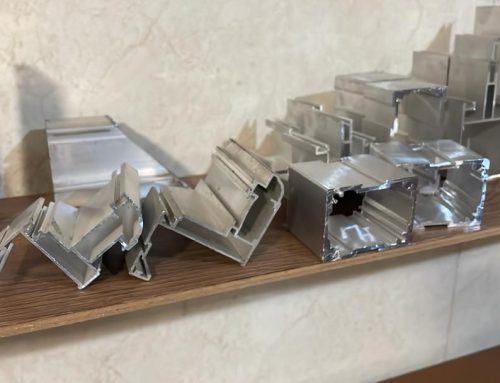
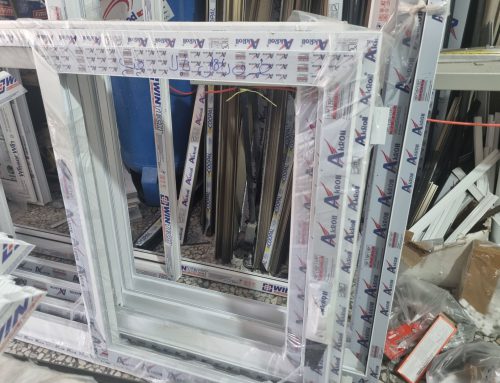
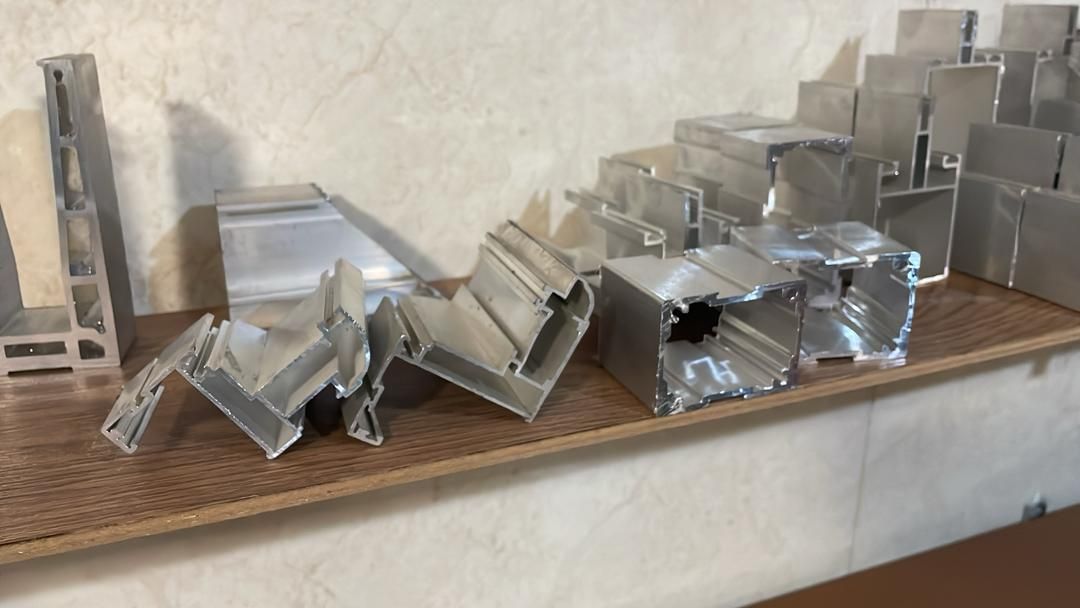
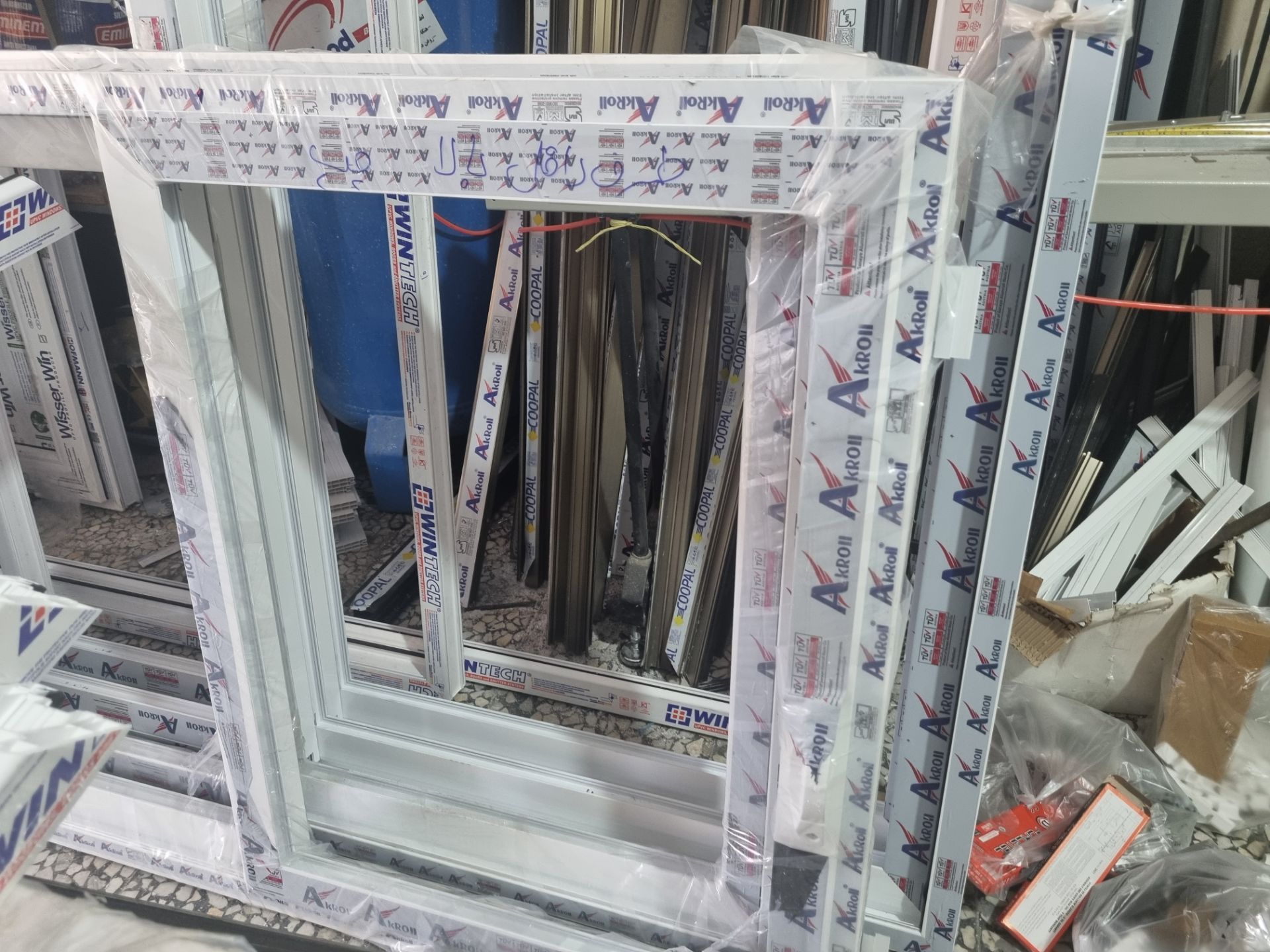
A thermal break facade typically refers to windows, doors, and framing systems that incorporate a barrier—usually a polyamide strip—between the interior and exterior aluminum profiles. This break reduces thermal conductivity and helps maintain interior temperatures, especially in areas with extreme weather conditions.
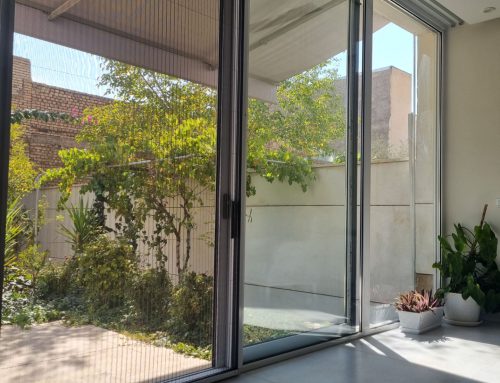
Thermal break systems are commonly used in residential buildings, villas, and smaller-scale commercial properties, though they can also complement curtain wall systems in hybrid designs.
Benefits of Thermal Break Facades
– **Improved Energy Efficiency**: The thermal barrier reduces heat transfer, which results in lower HVAC energy consumption.
– **Better Comfort**: Maintains consistent indoor temperatures, improving occupant comfort.
– **Condensation Control**: Prevents cold bridges, reducing the chance of moisture build-up and mold.
– **Sound Insulation**: The thicker profiles and multi-glazed glass offer better noise reduction.
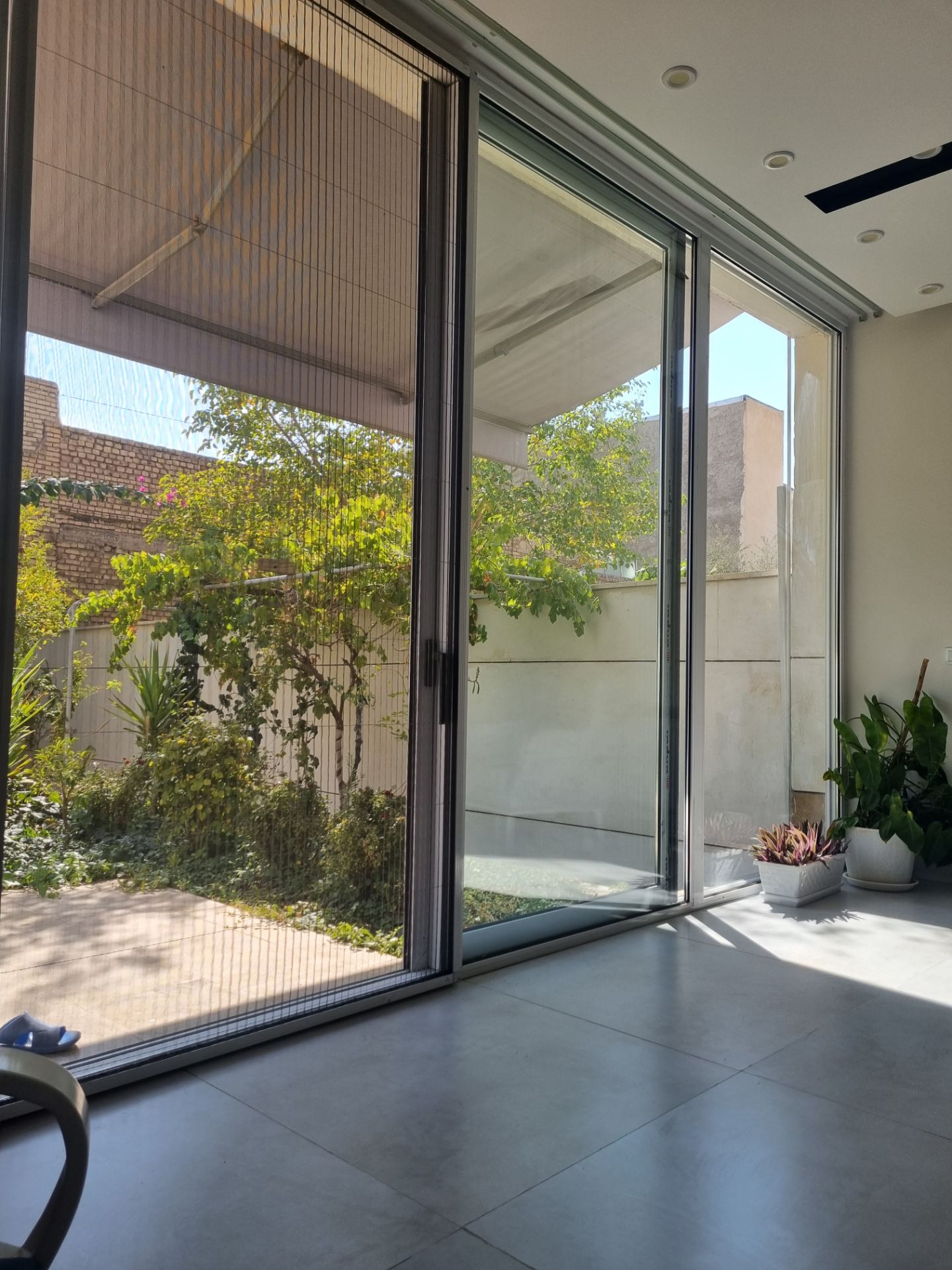
– **Design Versatility**: Available in various opening types (tilt & turn, sliding, folding) and finishes.
Curtain Wall vs. Thermal Break: What’s the Difference?
Here’s a comparison table to clarify the key differences:
| Feature | Curtain Wall | Thermal Break Facade |
|—————————-|—————————————-|————————————|
| Structural Role | Non-load-bearing external skin | Integrated into window/door systems |
| Typical Use | High-rise, commercial, large projects | Residential, small to mid-size |
| Insulation | Depends on glass type and sealants | Built-in thermal barrier (polyamide) |
| Appearance | Sleek, large glass surfaces | Framed windows, visible sashes |
| Installation | Stick or unitized systems | Installed per window or opening |
| Energy Efficiency | Moderate to high (based on glass) | High (by design) |
| Cost | Higher (system complexity) | More affordable |
Can They Be Used Together?
Yes, combining curtain walls and thermal break windows is a smart solution in many projects. For example:
– A lobby area or main facade may feature a curtain wall for maximum transparency and visual impact.
– Residential units in the same building can use thermal break windows for better insulation and privacy.
This approach balances performance and aesthetics, while also optimizing cost and energy savings.
Design Considerations for Both Systems
Whether you’re leaning toward a curtain wall or thermal break system, consider these important factors:
– **Climate and Location**: In hot or cold regions, energy efficiency becomes more critical. Thermal breaks and high-performance glazing are essential.
– **Orientation**: South-facing facades may need sun-shading devices or special coatings to reduce solar gain.
– **Budget**: Curtain wall systems typically cost more due to engineering, materials, and labor. Thermal break facades offer a more budget-friendly option.
– **Maintenance**: Choose systems with long-term durability and easy maintenance.
– **Aesthetic Goals**: If your project demands a high-end look with a glassy finish, curtain walls are the go-to. For a balanced design with function and form, thermal break systems offer flexibility.
Conclusion
Both curtain walls and thermal break facades are powerful architectural tools that can elevate your building in terms of appearance, comfort, and performance. The right choice depends on your project’s goals, budget, climate, and functional requirements.
To make an informed decision, it’s always best to consult with facade experts who can evaluate your specific needs and propose the most effective solution. Whether you’re designing a sleek commercial tower or a cozy residential building, we offer **free consultation** to help guide you every step of the way.

Leave A Comment