
Types of Curtain Wall Glass Systems
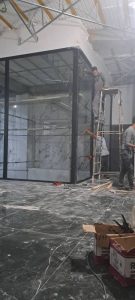
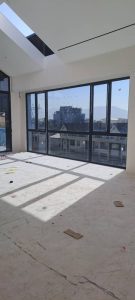
Types of Curtain Wall Glass Systems Curtain wall glass systems are one of the most elegant and efficient façade solutions used in modern architecture. They bring a unique combination of aesthetics, energy performance, and structural efficiency. But not all curtain walls are the same — various systems offer different features, styles, and levels of performance.
This guide explores the most popular types of curtain wall glass systems, including their benefits, uses, and how to choose the best one for your project.
1. Face Cap Curtain Wall System
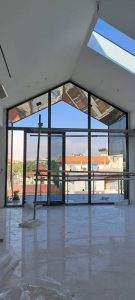
The face cap curtain wall system is the most traditional and commonly used type. In this design, glass panels are installed within an aluminum frame and secured with visible external pressure caps.
Main Benefits:
– High structural strength against wind loads
– Excellent water and air resistance
– Lower cost than more advanced systems
– Easy to repair and replace damaged units
This system is ideal for commercial buildings, shopping centers, and public facilities where performance and durability matter more than minimalist design.
Common Uses: Schools, hospitals, office buildings, and low- to mid-rise construction.
2. Frameless Curtain Wall System (Structural Glazing)
Frameless or structural glazing systems offer a seamless, glass-only appearance from the outside. The aluminum frame is hidden behind the glass, providing a cleaner and more modern aesthetic.
Main Benefits:
– Sleek and uninterrupted glass surface
– High daylight transmission
– Enhanced architectural appeal
– Compatible with advanced thermal break systems
However, structural glazing systems are more expensive and require skilled installation to ensure airtightness and structural safety.
Best For: Modern offices, airports, luxury buildings, and retail stores.
3. Unitized Curtain Wall System
Unitized systems involve pre-fabricated curtain wall modules that are built in a factory and shipped to the site for direct installation. Each module includes the frame, insulation, glass, and sealing components.
Main Benefits:
– Faster installation on-site (saves labor costs)
– Better quality control with factory production
– Reduced scaffolding needs
– Fewer errors during construction
This system is highly suitable for high-rise towers and large commercial projects, especially when time is critical.
Challenges: Higher upfront costs, but offset by efficiency and lower site labor.
4. Spider Glass Curtain Wall System
Spider glass systems use point-fixing technology to attach glass panels to a supporting structure via stainless steel arms. The result is a transparent façade with minimal visual obstruction.
Main Benefits:
– Maximum transparency and visibility
– Modern and luxurious appearance
– No vertical or horizontal framing
– Easy to combine with canopy or atrium designs
These systems require detailed engineering and are typically used in iconic or high-end architectural projects.
Applications: Shopping mall entrances, hotel lobbies, museums, showrooms.
5. Hybrid and Custom Curtain Wall Systems
Hybrid curtain wall systems combine two or more types of systems to meet both architectural and performance goals. For instance, a project may use face cap on the lower floors for robustness and frameless systems on upper floors for appearance.
This mix-and-match approach offers flexibility in budget, style, and performance — especially useful for complex or multi-functional buildings.
Performance Considerations: Thermal and Acoustic Efficiency
When choosing a curtain wall system, aesthetics aren’t the only concern. Today’s buildings demand energy-efficient façades that reduce heat transfer, prevent condensation, and provide acoustic comfort.
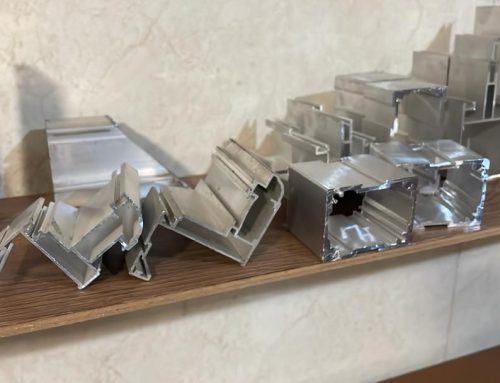
Thermal Break Systems: These involve a non-conductive material between the inner and outer frame of aluminum profiles to reduce thermal bridging. Frameless and unitized systems often support thermal break integration.
Acoustic Performance: Double-glazed and laminated glass options can significantly improve sound insulation — an important feature for buildings in busy urban areas.
Cost Comparison Between Systems
While the initial price is important, it’s essential to look at total cost of ownership over time, including maintenance and energy savings.
| Curtain Wall Type | Approx. Cost (USD/m²) | Maintenance | Lifespan | Energy Performance |
|——————-|————————|————-|———-|———————|
| Face Cap | $250–350 | Low | 30+ yrs | Moderate |
| Frameless | $400–600 | Moderate | 25+ yrs | High |
| Unitized | $500–800 | Low | 30+ yrs | Very High |
| Spider Glass | $600–900 | High | 20–25 yrs| Moderate to High |
How to Choose the Right Curtain Wall System
Here are some basic questions to help you make the right choice:
1. What’s your budget for the façade system?
2. Is design more important, or is durability the priority?
3. Do you need high energy efficiency for hot/cold climates?
4. How tall is the building? (Unitized is better for high-rise)
5. Are you working with tight deadlines or limited site access?
Tip: Always work with experienced façade consultants and contractors to assess your project’s unique requirements.
Frequently Asked Questions (FAQs)
Q1: Is frameless glass safe for multi-story buildings?
Yes, with proper structural design and laminated safety glass, frameless systems are safe even for tall buildings.
Q2: Are curtain walls waterproof?
Well-designed and installed curtain walls — especially unitized and face cap systems — provide excellent waterproofing with pressure equalization and proper gaskets.
Q3: Can curtain walls be customized?
Absolutely. You can customize glass color, frame finish, opening types, and even integrate LED lighting or solar panels.
Q4: What is the difference between curtain wall and window wall?
Curtain walls are non-load-bearing outer skins suspended from the structure, while window walls are installed floor-by-floor and sit on the slab edge.
Conclusion
Curtain wall glass systems are more than just a design element — they are essential to the building’s performance, energy efficiency, and user comfort. From face cap to frameless and spider systems, each option has its strengths and ideal use cases.
By understanding the types and carefully assessing your project’s needs, you can select the best curtain wall system that delivers both aesthetics and performance.
Whether you’re an architect, developer, or building owner, investing in the right curtain wall can increase property value, reduce energy costs, and enhance your brand image.

Leave A Comment