
Vertical profile
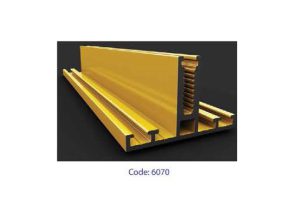
Introduction:
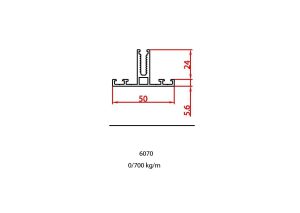
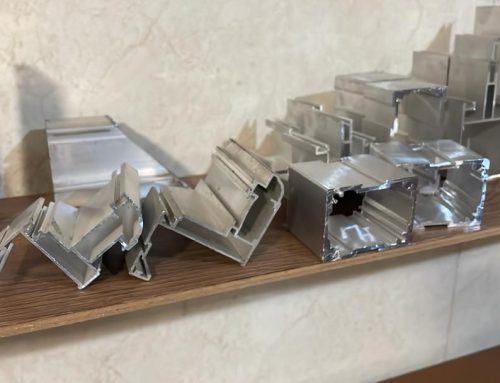
Aluminum, a lightweight and durable metal, has become a key player in various industries due to its exceptional properties. One of the innovative applications of aluminum is in the form of vertical aluminum profiles. These profiles are structured columns or beams made from aluminum, offering a wide range of benefits across different sectors. In this article, we will delve into the characteristics, applications, and advantages of vertical aluminum profiles.
Characteristics of Vertical Aluminum Profiles:
- Lightweight yet Strong: Aluminum is known for its impressive strength-to-weight ratio. Vertical aluminum profiles, despite being lightweight, exhibit remarkable strength and durability. This makes them ideal for applications where both strength and reduced weight are crucial, such as in construction and transportation industries.
- Corrosion Resistance: Aluminum naturally forms a protective oxide layer when exposed to the atmosphere, providing excellent resistance to corrosion. This characteristic makes vertical aluminum profiles suitable for outdoor applications, where exposure to varying weather conditions is inevitable.
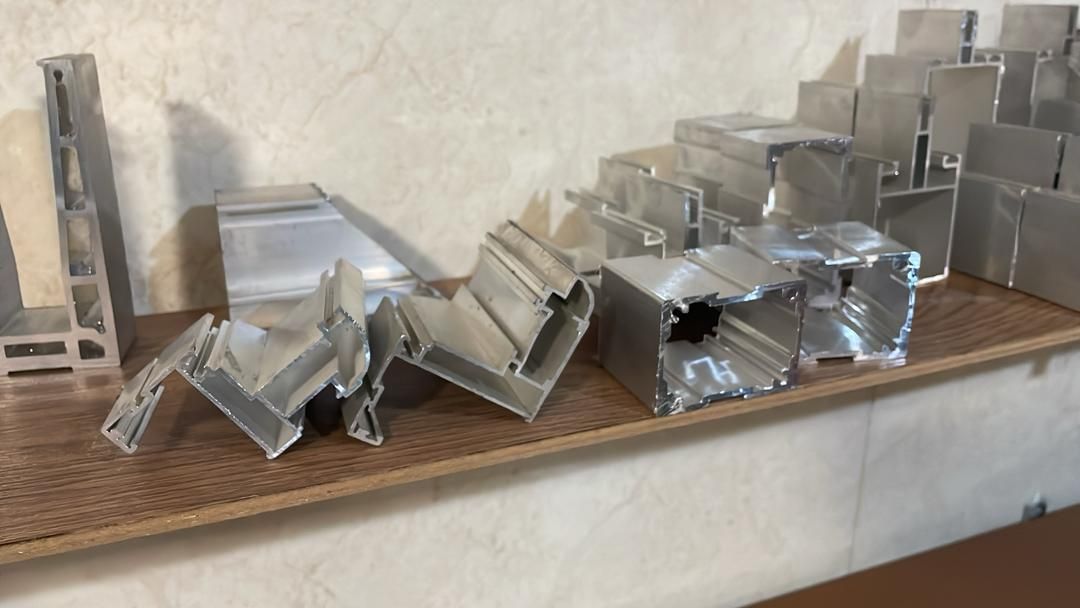
- Machinability: Aluminum is highly machinable, allowing for intricate designs and precise manufacturing of vertical profiles. This versatility in shaping and forming makes aluminum profiles a preferred choice in industries requiring customized solutions.
Applications of Vertical Aluminum Profiles:
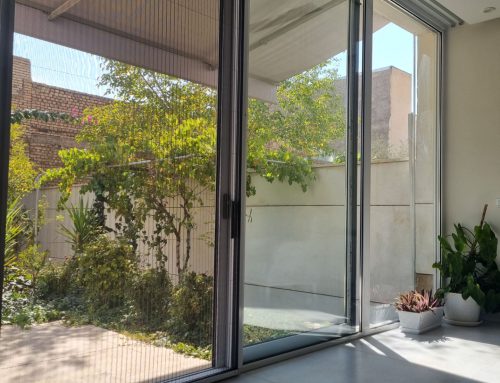
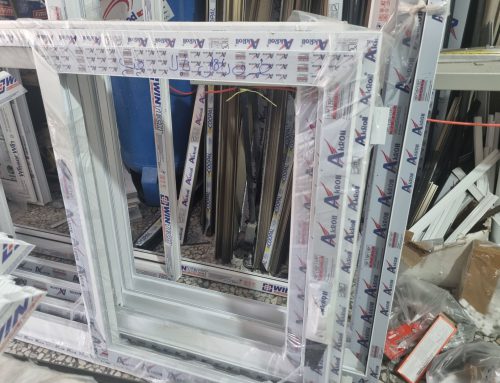
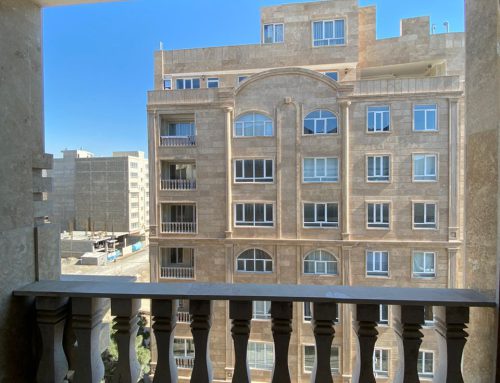
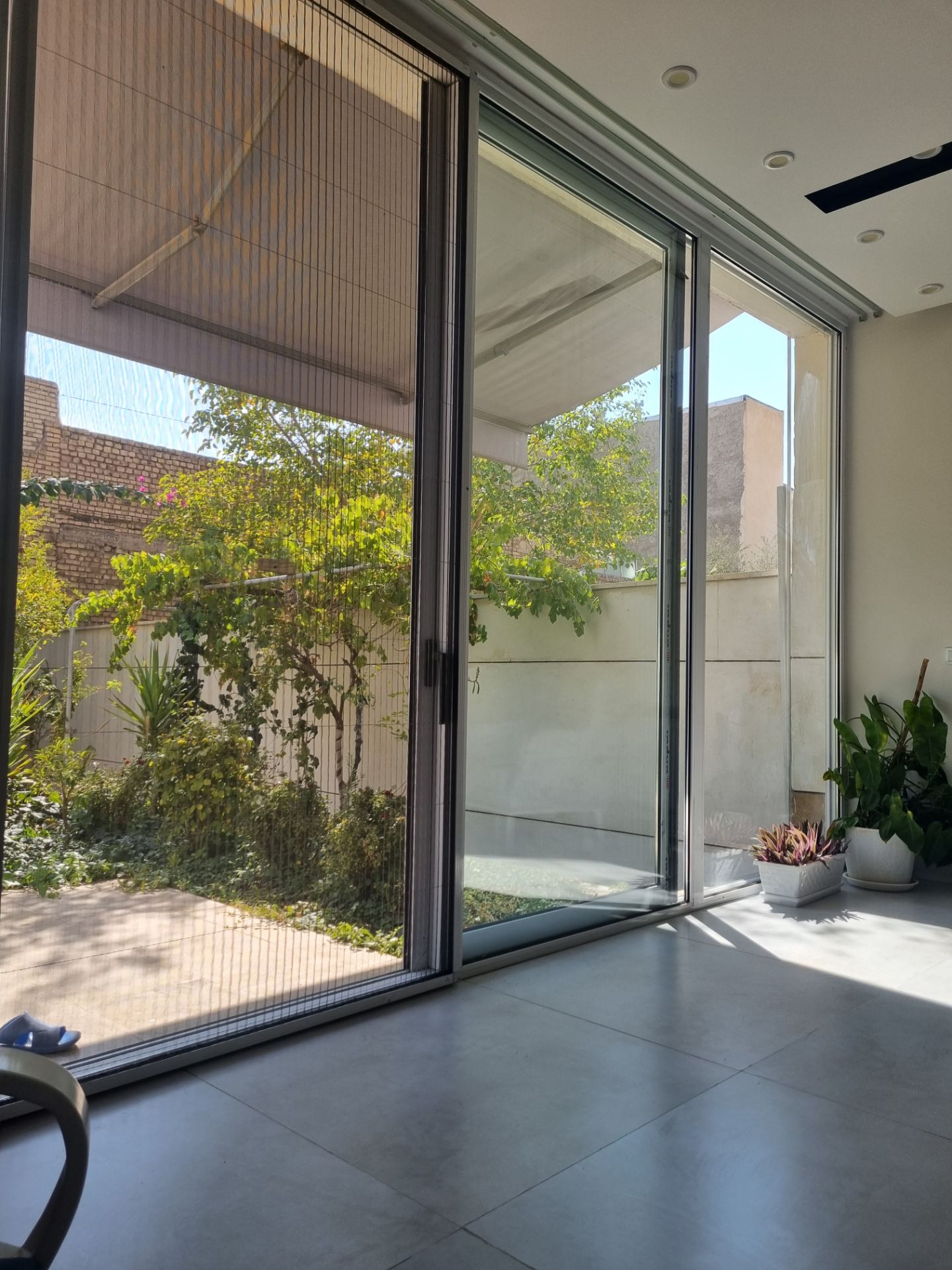
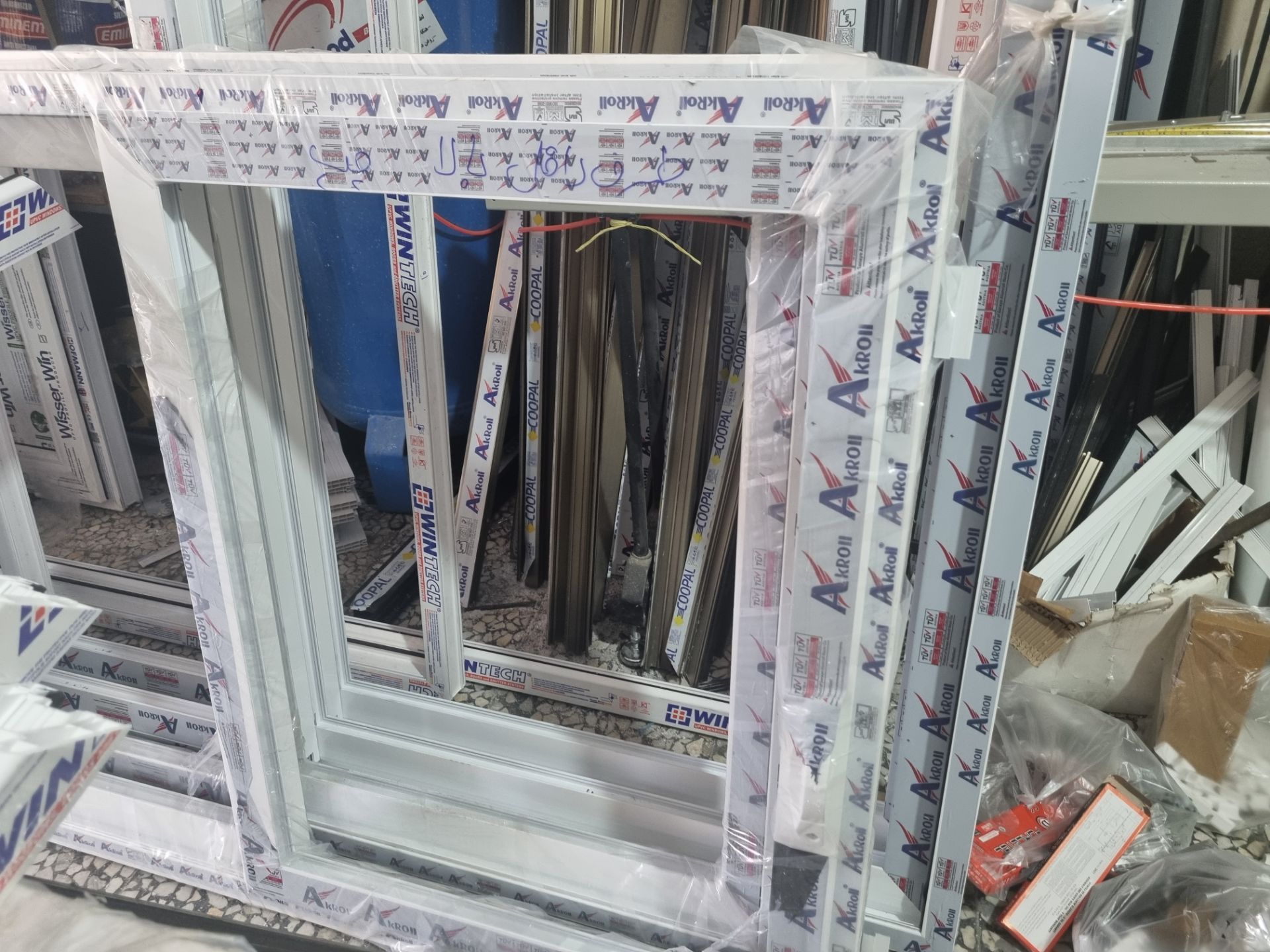
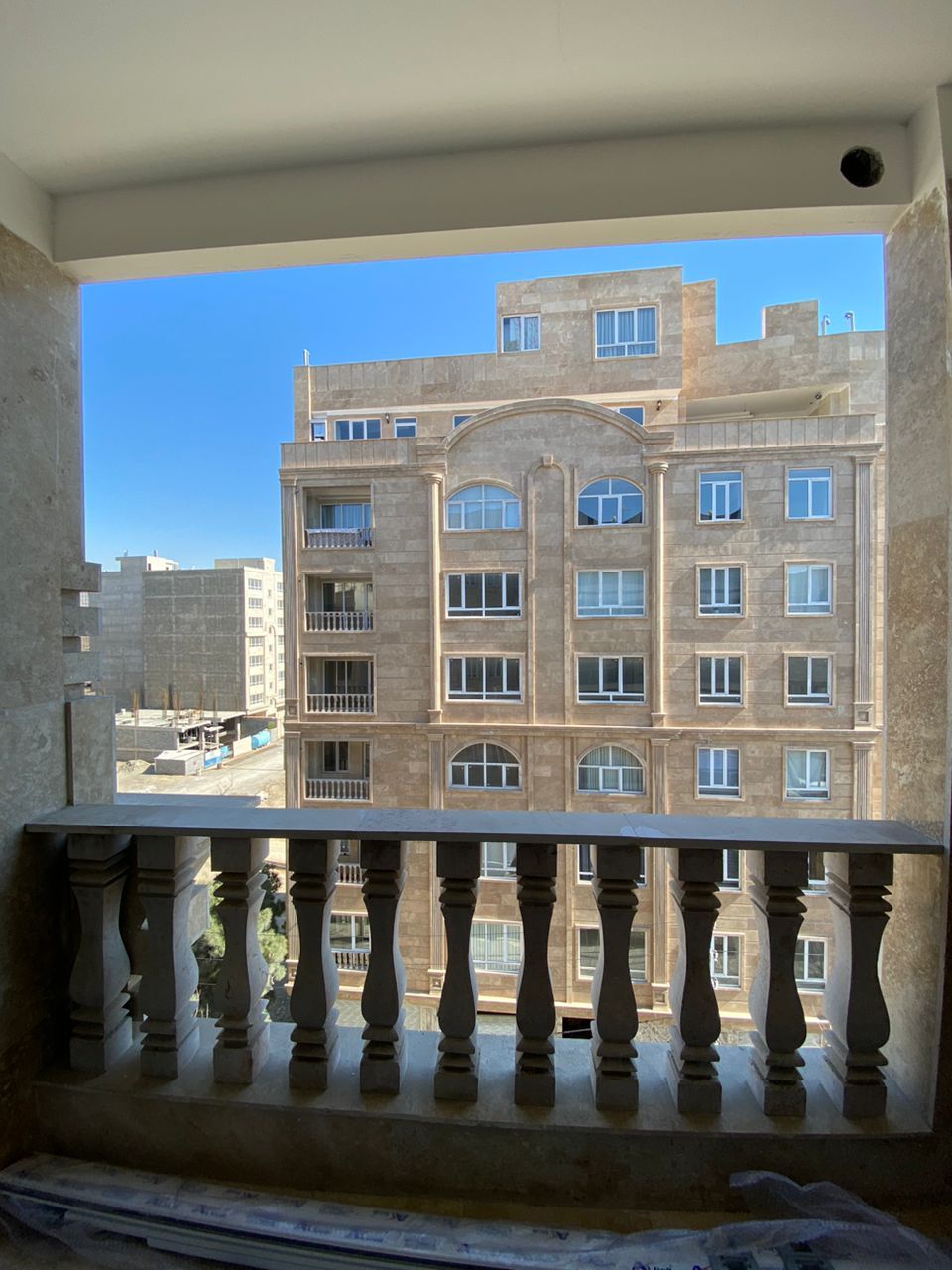
- Architectural and Construction: Vertical aluminum profiles find extensive use in the construction industry. From curtain walls and window frames to structural support elements, these profiles contribute to the modern and sleek aesthetic of buildings while providing structural integrity.
- Transportation: The automotive and aerospace industries benefit from the use of vertical aluminum profiles due to their lightweight nature. Reduced weight contributes to fuel efficiency in automobiles and increases payload capacity in aerospace applications.
- Industrial Automation: In industrial settings, vertical aluminum profiles serve as the framework for conveyor systems, assembly lines, and other automated processes. The flexibility in design allows for the creation of sturdy yet adaptable structures to meet specific manufacturing needs.
- Renewable Energy: Vertical aluminum profiles are utilized in the construction of solar panel mounting systems and wind turbine structures. The corrosion-resistant properties of aluminum ensure the longevity of these structures in challenging outdoor environments.
Advantages of Vertical Aluminum Profiles:
- Sustainability: Aluminum is fully recyclable without losing its intrinsic properties. Vertical aluminum profiles contribute to sustainable practices by being environmentally friendly and reducing the overall carbon footprint.
- Cost-Effective: Despite its high strength, aluminum remains cost-effective compared to some other metals. The longevity and low maintenance requirements of aluminum structures further contribute to cost savings over the long term.
- Ease of Assembly: The modular nature of vertical aluminum profiles allows for easy assembly and disassembly. This characteristic is particularly advantageous in applications where flexibility and adaptability are essential.
- Thermal Conductivity: Aluminum boasts excellent thermal conductivity, making vertical aluminum profiles suitable for applications requiring efficient heat dissipation. This property is particularly beneficial in electronic and heat-sensitive industries, where maintaining optimal operating temperatures is crucial.
- Aesthetic Appeal: The sleek and modern appearance of aluminum contributes to the aesthetic appeal of structures and products. Vertical aluminum profiles are often chosen for their ability to enhance the visual appeal of architectural designs, creating a contemporary and stylish look.
- Weather Resistance: The corrosion-resistant properties of aluminum make it an ideal choice for outdoor applications. Vertical aluminum profiles can withstand exposure to harsh weather conditions, including rain, sunlight, and extreme temperatures, without compromising their structural integrity.
- Versatility in Finishing: Aluminum can be easily coated, painted, or anodized to achieve various finishes, providing additional customization options. This versatility in finishing allows designers and manufacturers to match the aesthetic requirements of different projects.
- Longevity and Low Maintenance: Vertical aluminum profiles exhibit a high resistance to rust and corrosion, contributing to their longevity. The low maintenance requirements of aluminum structures make them an attractive choice for projects where durability and minimal upkeep are essential.
- Global Market Trends: The global market for aluminum products, including vertical aluminum profiles, has witnessed significant growth in recent years. The increasing emphasis on sustainable and eco-friendly practices has propelled the demand for aluminum, given its recyclability and low environmental impact. As more industries recognize the benefits of aluminum, the market is expected to continue its upward trajectory.
- Innovations and Future Prospects: Ongoing research and development efforts are focused on enhancing the properties of aluminum and expanding its applications. Innovations in alloy compositions and manufacturing techniques aim to further improve the strength, flexibility, and other key characteristics of vertical aluminum profiles. This continuous pursuit of innovation holds promise for even more diverse and specialized applications in the future.
- Challenges and Solutions: While aluminum profiles offer numerous advantages, challenges such as potential galvanic corrosion in specific environments and initial manufacturing costs are considerations. However, ongoing research is addressing these challenges, and the long-term benefits of aluminum, including its recyclability and durability, often outweigh these initial concerns.
- Regulatory Landscape: The regulatory landscape plays a crucial role in shaping the usage of aluminum profiles, with standards and certifications ensuring quality and safety. Compliance with regulations regarding material specifications and environmental impact is essential, and the industry continues to adapt to evolving standards to meet the needs of a conscientious market.
- Continued Collaboration and Advancements: The future of vertical aluminum profiles lies in continued collaboration between industries, researchers, and manufacturers. Cross-disciplinary efforts can unlock new possibilities, driving advancements in material science, fabrication techniques, and applications. This collaborative spirit will be crucial in meeting the evolving demands of an ever-changing global landscape.
- Empowering Sustainable Practices: As sustainability takes center stage in global initiatives, vertical aluminum profiles offer a pathway to more eco-friendly practices. Their recyclability and low environmental impact position them as key players in sustainable construction and manufacturing. The aluminum industry’s commitment to reducing its carbon footprint underscores its role in contributing to a greener and more sustainable future.
- Educating and Inspiring Future Generations: The story of vertical aluminum profiles is not just about the present; it’s also about inspiring future generations. By showcasing the versatility and potential of aluminum, we can encourage young minds to explore innovative solutions to the challenges that lie ahead. Education and awareness about the benefits of aluminum will play a vital role in shaping a future where sustainable practices are the norm.
In Conclusion:
Vertical aluminum profiles stand as both a symbol and a solution in our quest for resilient, efficient, and sustainable structures. Their journey from raw material to refined form is a testament to human creativity and the relentless pursuit of improvement. As we look toward the horizon of technological and industrial progress, it’s clear that vertical aluminum profiles will continue to play a pivotal role in shaping the way we build, create, and innovate.
In embracing the qualities of aluminum—its strength, malleability, and eco-friendliness—we not only construct physical structures but also lay the foundation for a future where materials contribute harmoniously to a thriving planet. The story of vertical aluminum profiles is far from over; it is a dynamic narrative that evolves with each new discovery, each innovative application, and each step towards a more sustainable and interconnected world.

Leave A Comment