
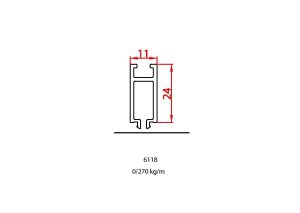
Single glazed glass adaptor
Introduction
Curtain wall systems play a pivotal role in modern architecture, offering an aesthetic appeal while addressing various functional requirements. One critical component that significantly influences the performance of these systems is the type of glazing used. In recent times, the use of single glazed glass adaptors in curtain wall systems has gained traction for its unique set of benefits, particularly in the context of energy efficiency.
Understanding Curtain Wall Systems
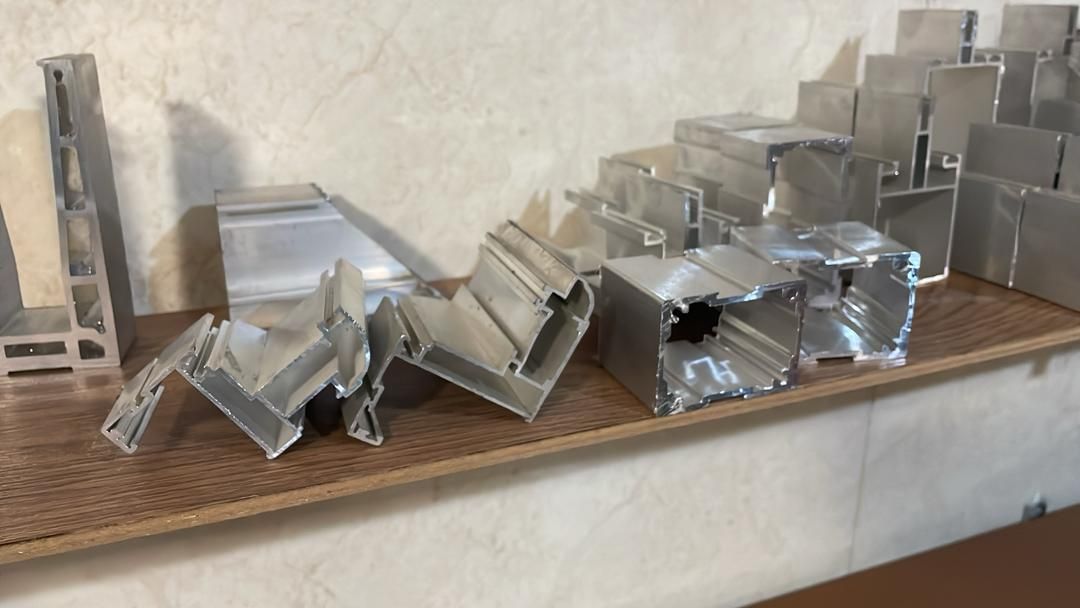
Curtain walls are non-structural exteriors used to envelope buildings, providing an aesthetically pleasing and protective outer skin. They typically consist of lightweight aluminum frames with infill panels, which can be made of glass, metal, or other materials. The choice of glazing material is a crucial factor, influencing the building’s overall energy performance, thermal insulation, and visual aesthetics.
The Role of Glazing in Energy Efficiency
The energy efficiency of a building is closely tied to its ability to regulate heat transfer. Traditional curtain wall systems often used double or triple glazing to improve insulation. However, single glazed glass adaptors are emerging as a compelling alternative due to their unique properties and advantages.
Advantages of Single Glazed Glass Adaptors
- Lightweight Construction: Single glazed glass is inherently lighter than its double or triple glazed counterparts. This reduced weight contributes to a more lightweight curtain wall system, easing the load on the building structure and foundation.
- Optimized Daylighting: Single glazed glass allows for greater penetration of natural light, creating well-lit and visually appealing interiors. This can reduce the reliance on artificial lighting during daylight hours, contributing to energy savings.
- Cost-Effective Solution: The use of single glazed glass adaptors is often more cost-effective than employing thicker multi-glazed systems. This cost efficiency can make curtain wall systems more accessible to a broader range of projects.
- Ease of Maintenance: Single glazed systems are generally easier to maintain than their multi-glazed counterparts. Cleaning and repairs are simpler and less labor-intensive, resulting in potential long-term cost savings.
- Customization Options: Single glazed glass adaptors offer architects and designers a range of customization options, including different glass types, coatings, and tints. This flexibility allows for tailoring the curtain wall system to specific project requirements.
Energy Efficiency Considerations
While single glazed glass adaptors offer numerous benefits, it’s essential to consider energy efficiency in the context of local climate and building regulations. In colder climates, additional measures such as thermal breaks and low-emissivity coatings may be necessary to enhance insulation. However, in milder climates, single glazed systems can provide an optimal balance between energy efficiency and aesthetic appeal.
Energy Efficiency Enhancements
To optimize the energy efficiency of curtain wall systems employing single glazed glass adaptors, architects and designers can incorporate several strategies:
- Thermal Breaks: Integrating thermal breaks within the aluminum framing helps minimize heat transfer between the exterior and interior. This is particularly important in colder climates, where thermal bridging can contribute to increased energy consumption.
- Low-E Coatings: Low-emissivity coatings on single glazed glass adaptors can significantly improve thermal performance by reducing heat transfer. These coatings selectively reflect infrared radiation, keeping interiors warmer in the winter and cooler in the summer.
- Insulated Spacers: The use of insulated spacers between the glass panes helps reduce heat conduction and enhances the overall insulation of the curtain wall system. This is especially beneficial in regions with extreme temperature variations.
- Ventilation and Shading Solutions: Integrating natural ventilation systems and external shading devices can further contribute to energy efficiency. These elements help control solar heat gain and enhance indoor comfort, reducing the reliance on mechanical heating and cooling systems.
Regulatory Compliance and Certification
As with any building component, compliance with local building codes and energy efficiency standards is paramount. Single glazed glass adaptors must meet or exceed relevant regulations to ensure the safety and sustainability of the constructed environment. Additionally, seeking certifications such as LEED (Leadership in Energy and Environmental Design) can enhance the marketability of a project by demonstrating a commitment to environmental responsibility.
Case Studies
Examining successful implementations of single glazed glass adaptors in curtain wall systems provides valuable insights for architects and builders. Case studies showcasing the integration of these systems in various climates, building types, and designs can offer practical lessons and best practices.
As the architectural community embraces the shift towards more sustainable practices, the adoption of single glazed glass adaptors in curtain wall systems is poised to play a pivotal role. The ongoing exploration of new materials, coupled with an increased focus on energy efficiency, offers a glimpse into the future of building design.
Future Trends and Innovations
Looking ahead, architects and designers are likely to witness continuous advancements in glass technology and curtain wall systems. Innovations may include smart glass technologies that can dynamically adjust transparency based on external conditions, further optimizing natural light and energy usage. The integration of renewable energy solutions, such as photovoltaic glazing, could turn curtain walls into active contributors to a building’s power needs.
Moreover, ongoing research in nanotechnology and materials science may lead to the development of ultra-thin, yet highly insulating, coatings for single glazed glass. These breakthroughs could push the boundaries of energy efficiency while maintaining the aesthetic qualities that make curtain walls a preferred choice in modern architecture.
Challenges and Considerations
While the benefits of single glazed glass adaptors in curtain wall systems are evident, challenges remain. Striking the right balance between transparency and thermal performance is crucial, especially in climates with extreme temperature variations. Additionally, architects must navigate local building regulations, ensuring compliance and safety without compromising design intent.
Maintenance considerations also play a role. Although single glazed systems are generally easier to maintain than multi-glazed alternatives, routine upkeep remains essential to ensure the longevity and performance of the curtain wall. Regular cleaning and inspections can prevent issues and preserve the visual clarity that defines these systems.
Collaboration and Knowledge Sharing
The architectural community’s collaborative spirit is integral to the successful integration of single glazed glass adaptors in curtain wall systems. Knowledge sharing through industry conferences, seminars, and publications fosters an environment where architects can learn from each other’s experiences, ensuring a collective understanding of best practices and potential challenges.
Epilogue: Paving the Way for Sustainable Skyscapes
The integration of single glazed glass adaptors in curtain wall systems marks a significant chapter in the evolution of modern architecture. This innovative approach, driven by a commitment to energy efficiency, cost-effectiveness, and design flexibility, exemplifies the industry’s response to the growing imperative of sustainable building practices.
Architects, engineers, and builders are now at the forefront of a movement that transcends the traditional dichotomy between form and function. By leveraging advancements in glass technology and construction methodologies, they are reshaping skylines while concurrently reducing the environmental impact of the structures they create.
As the architectural landscape continues to transform, the conversation around sustainable design expands. The adoption of single glazed glass adaptors represents not just a trend but a paradigm shift towards a more holistic and responsible approach to building construction. This shift aligns with global efforts to mitigate climate change and underscores the role of the built environment in achieving a more sustainable future.
In the grand tapestry of architectural innovation, the story of single glazed glass adaptors in curtain wall systems is a testament to the industry’s adaptability and resilience. It is a reminder that progress is not only measured in the height of buildings or the elegance of facades but also in the thoughtful integration of technology to enhance performance and reduce environmental impact.
As we look towards the future, the narrative of sustainable architecture is sure to unfold with even greater intrigue. The collaboration between professionals, the integration of cutting-edge technologies, and the pursuit of sustainable design principles will undoubtedly continue to shape skylines around the world. In the end, the legacy of single glazed glass adaptors in curtain wall systems is not just in the structures they enhance but in the precedent they set for a more sustainable and visually inspiring built environment.

Leave A Comment