
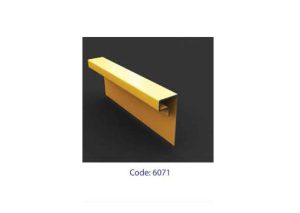
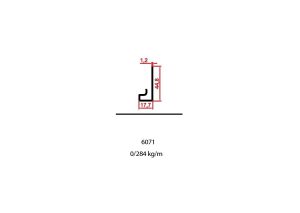
Vertical seam profile
Introduction:
Curtain wall systems play a pivotal role in modern architectural design, providing a sleek and functional solution for enclosing buildings with large expanses of glass. One crucial aspect that contributes to the aesthetic appeal and structural integrity of these systems is the vertical seam profile. This article explores the significance of vertical seam profiles in curtain wall systems, delving into their design considerations, functional roles, and impact on overall building performance.
Design Considerations:
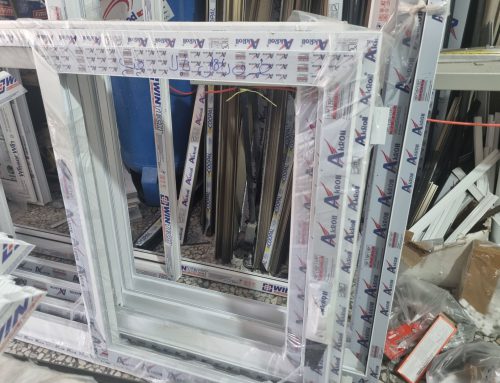
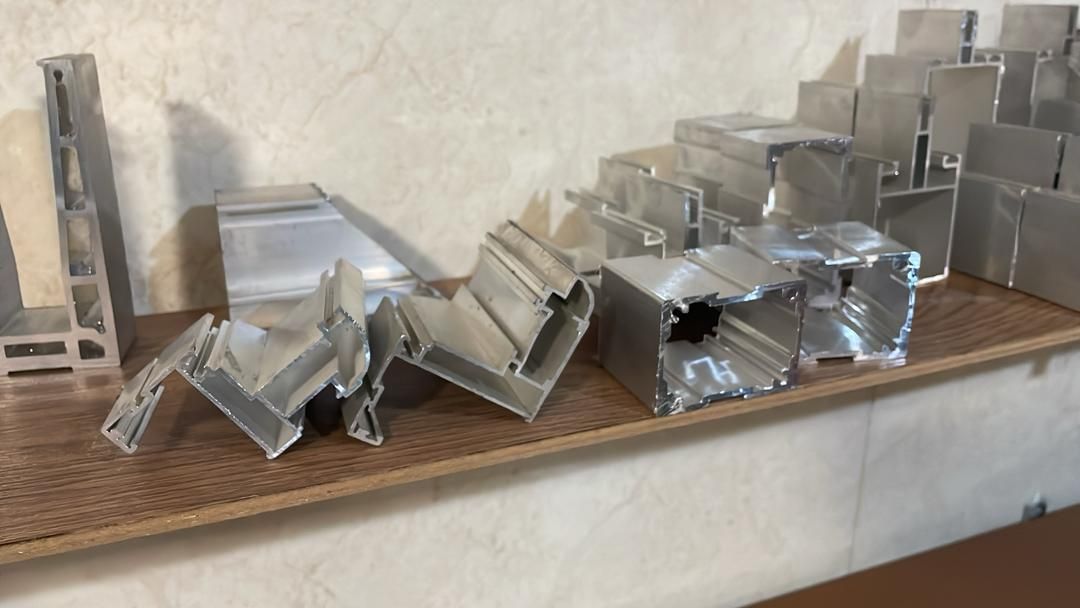
Vertical seam profiles, also known as mullions, are the vertical members that connect and support the individual glass or other infill panels within a curtain wall system. These profiles are not merely structural components but are also integral to the overall design and visual aesthetics of the building. Architects and designers carefully consider the size, shape, and material of these profiles to achieve the desired look and functionality.
Materials:
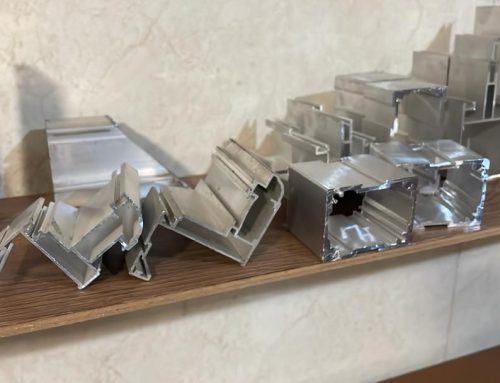
Vertical seam profiles can be constructed from various materials, including aluminum, steel, and even glass-reinforced plastic (GRP). The choice of material depends on factors such as the building’s design, location, and performance requirements. Aluminum is a popular choice due to its lightweight nature, durability, and ease of customization. Steel offers high strength and can be suitable for applications where added robustness is necessary. Glass-reinforced plastic provides a unique combination of strength and transparency, allowing for innovative design possibilities.
Structural Integrity:
Vertical seam profiles are critical for maintaining the structural integrity of the curtain wall system. They distribute loads, including wind and gravity forces, ensuring that the entire system can withstand external pressures and support its own weight along with the weight of the infill panels. The size and spacing of the mullions are carefully engineered to meet both aesthetic and structural requirements, striking a balance between openness and stability.
Thermal Performance:
Vertical seam profiles also play a crucial role in the thermal performance of curtain wall systems. The design must account for factors such as thermal bridging, which occurs when materials with high thermal conductivity connect the exterior and interior of the building, allowing heat to escape or enter. By carefully selecting and designing vertical seam profiles, architects can minimize thermal bridging, contributing to energy efficiency and occupant comfort.
Water and Air Infiltration:
Another vital function of vertical seam profiles is to prevent water and air infiltration. Properly designed and installed mullions should create a weather-tight seal, preventing water from entering the building and maintaining a comfortable interior environment. This is particularly important in regions with varying weather conditions, where the curtain wall system must withstand rain, wind, and temperature fluctuations.
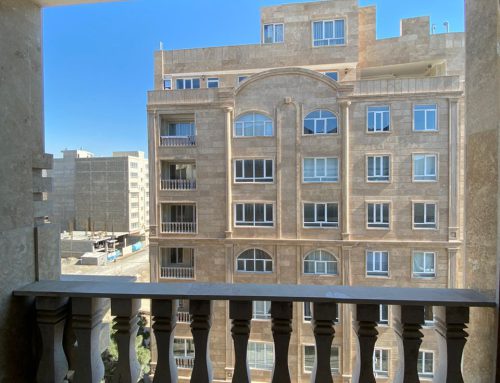
Beyond their functional aspects, vertical seam profiles contribute significantly to the visual appeal of a building. The arrangement and design of mullions can create distinct patterns, adding a layer of sophistication to the facade. Architects often leverage these profiles as opportunities for artistic expression, incorporating them into the overall architectural language of the structure.
-
Architectural Aesthetics:
- Mullions can be customized to create diverse visual effects, from sleek and minimalistic designs to intricate patterns that enhance the building’s aesthetic appeal.
- The arrangement of vertical seam profiles can be used to emphasize vertical or horizontal lines, creating a sense of rhythm and balance in the overall design.
- By strategically placing mullions, architects can control the perception of the building’s scale and proportions, influencing how it is perceived from various vantage points.
-
Daylighting and Views:
- Carefully designed vertical seam profiles can optimize daylighting within the building, allowing natural light to penetrate while controlling glare and heat gain.
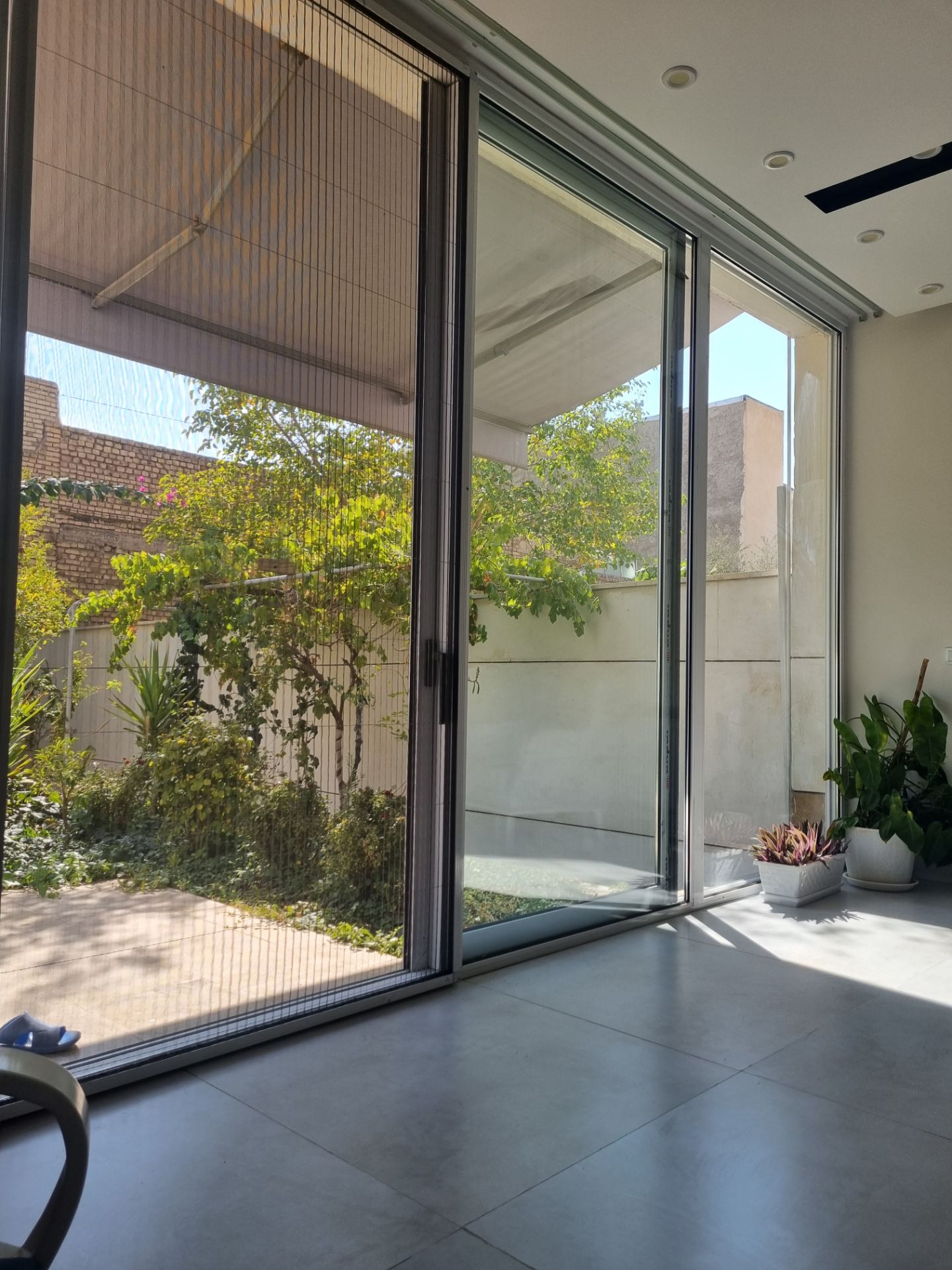
- The spacing and size of mullions impact the size and configuration of glass panels, influencing the views from both the interior and exterior of the building.
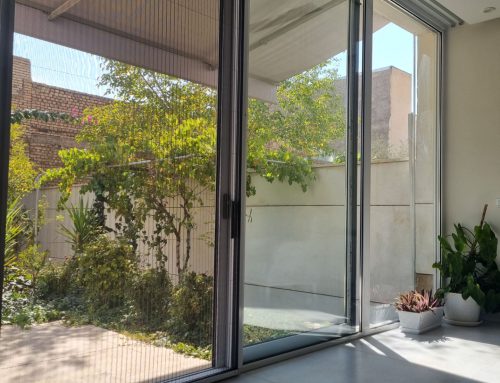
- Architects often use the vertical rhythm created by mullions to enhance the visual connection between the indoor and outdoor spaces, fostering a harmonious relationship with the surrounding environment.
-
Innovation and Customization:
- Advancements in materials and manufacturing techniques provide architects with new opportunities for innovation in vertical seam profile design.
- Customization options, such as textured finishes, anodized colors, or even integrated LED lighting within the mullions, contribute to the uniqueness of each curtain wall system.
- The ability to integrate technological elements seamlessly into the vertical seam profiles opens up possibilities for smart building features and dynamic facade systems.
-
Sustainability:
- The selection of sustainable materials for vertical seam profiles aligns with the growing emphasis on environmentally conscious design.
- Additionally, the role of mullions in optimizing thermal performance contributes to the overall energy efficiency of the building, reducing reliance on artificial heating and cooling systems.
-
Maintenance and Longevity:
- The durability and longevity of a curtain wall system depend significantly on the quality and maintenance of its vertical seam profiles.
- Materials resistant to corrosion and wear ensure that the mullions retain their structural and aesthetic integrity over time.
- Properly designed profiles can facilitate easier maintenance, allowing for the replacement or repair of individual components without compromising the entire curtain wall system.
-
Adaptability to Building Movement:
- Buildings are subject to various forces, including settlement, wind-induced movement, and thermal expansion and contraction.
- Vertical seam profiles, when designed with flexibility in mind, can accommodate these movements, minimizing stress on the curtain wall system and preventing damage over the building’s lifespan.
- This adaptability is crucial in ensuring the long-term performance and safety of the entire structure.
-
Regulatory Compliance:
- Vertical seam profiles must adhere to local building codes and regulations, which may vary depending on factors such as location, climate, and building height.
- Compliance with these standards ensures the safety and resilience of the curtain wall system, making it imperative for architects and engineers to consider these factors during the design phase.
-
Collaboration and Integration:
- The successful integration of vertical seam profiles requires collaboration between architects, engineers, and manufacturers.
- Continuous communication ensures that the design vision aligns with structural requirements and manufacturing capabilities.
- Advancements in Building Information Modeling (BIM) and collaborative design tools facilitate seamless coordination among stakeholders, streamlining the entire process from conceptualization to construction.
-
Future Trends and Innovations:
- The evolution of vertical seam profiles is closely tied to technological advancements and architectural trends.
- Emerging technologies, such as responsive or dynamic facades, may integrate with vertical seam profiles, allowing for real-time adjustments to lighting, shading, or insulation based on environmental conditions.
- Sustainable practices, including the use of recycled materials and energy-efficient designs, will likely continue to influence the development of curtain wall systems, shaping the future of vertical seam profiles.
Global Case Studies:
- Examining successful curtain wall projects around the world provides valuable insights into the diverse applications and innovations in vertical seam profiles.
- Case studies can highlight how architects and engineers have overcome specific challenges, showcasing the adaptability and versatility of vertical seam profiles in different climates, building types, and cultural contexts.
Challenges and Solutions:
- Acknowledging the challenges associated with vertical seam profiles is crucial for the industry’s growth.
- Issues such as extreme weather conditions, material limitations, or evolving building codes may present hurdles, but innovative solutions and collaborations can pave the way for overcoming these challenges.
Conclusion:
- Vertical seam profiles in curtain wall systems are integral to the modern architectural landscape, providing both structural support and aesthetic expression.
- As the industry continues to advance, architects, engineers, and manufacturers must collaborate to push the boundaries of what is achievable in terms of design, functionality, and sustainability.
- Vertical seam profiles will remain a focal point in the conversation about the future of architecture, with ongoing innovations contributing to the creation of iconic and resilient structures that define the skylines of tomorrow.
In conclusion, the significance of vertical seam profiles in curtain wall systems extends beyond their initial functionality. They are dynamic elements that contribute to the visual, structural, and environmental aspects of modern architecture. As the field continues to evolve, so too will the role of vertical seam profiles, shaping the way we design and experience the built environment.

Leave A Comment