
Thermal break window profile and curtain wall with EU approval
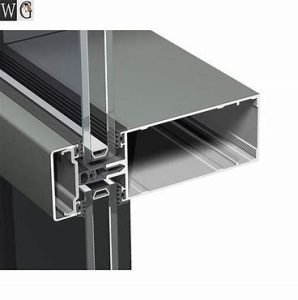
Thermal break window profile and curtain wall with EU approval ,In the realm of architecture and sustainable building design, the quest for energy efficiency has become increasingly pivotal. One significant advancement in this arena is the development and adoption of thermal break window profiles and curtain walls, which not only elevate aesthetic appeal but also contribute significantly to reducing energy consumption in buildings. Recognized and approved by the European Union (EU), these technologies represent a milestone in sustainable construction practices.
Understanding Thermal Break Technology
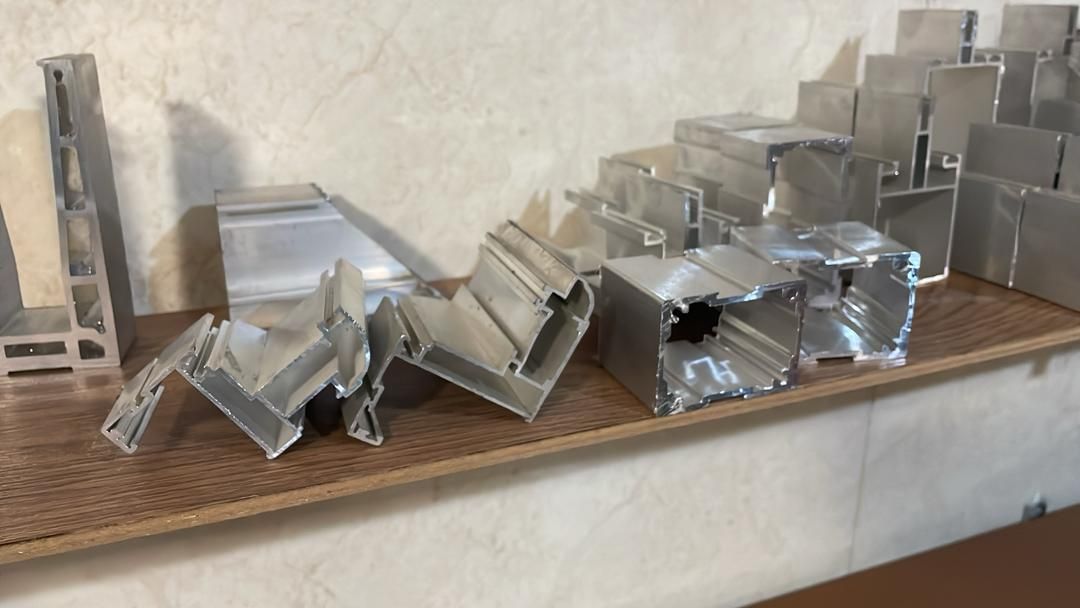
Thermal break technology addresses a fundamental issue in traditional aluminum profiles used in windows and curtain walls. Aluminum, while strong and lightweight, conducts heat very effectively, which can lead to substantial energy loss through windows and building envelopes. Thermal break technology integrates an insulating material between the inner and outer layers of aluminum, creating a barrier that significantly reduces heat transfer.
This innovative design effectively minimizes thermal bridging, where heat moves through materials with low resistance, thereby enhancing the overall thermal performance of buildings. By incorporating thermal breaks into window profiles and curtain walls, architects and builders can achieve higher energy efficiency ratings and reduce the carbon footprint of structures.
Benefits of Thermal Break Systems
The adoption of thermal break window profiles and curtain walls brings forth a myriad of benefits:
- Improved Energy Efficiency: By reducing heat loss in winter and heat gain in summer, buildings equipped with thermal break systems require less energy for heating and cooling, leading to lower utility bills and reduced greenhouse gas emissions.
- Enhanced Comfort: Spaces adjacent to windows and curtain walls equipped with thermal breaks experience fewer temperature variations, resulting in increased occupant comfort throughout the year.
- Durability and Longevity: Thermal break technology enhances the lifespan of building components by minimizing condensation, which can lead to moisture-related issues such as mold and corrosion.
- Noise Reduction: The insulating properties of thermal break systems also contribute to reducing external noise levels, creating quieter indoor environments.
- Compliance with Regulations: Products bearing EU approval adhere to rigorous standards for energy efficiency and environmental sustainability, ensuring compliance with local building codes and regulations.
EU Approval and Certification
The European Union has established stringent criteria and testing protocols for assessing the energy performance of building materials and components. Thermal break window profiles and curtain walls undergo comprehensive testing to verify their thermal insulation capabilities, air tightness, and resistance to wind load and water penetration.
EU approval signifies that these products meet or exceed established standards, providing architects and developers with confidence in their performance and reliability. This approval process not only ensures quality but also supports the EU’s broader goals of promoting sustainable building practices and reducing energy consumption across member states.
Integration into Architectural Design
Architects and designers have embraced thermal break technology for its versatility and aesthetic appeal. Modern advancements allow for customizable designs that cater to diverse architectural styles and building requirements. Whether used in residential, commercial, or industrial applications, thermal break systems offer flexibility in design while delivering superior energy efficiency.
Future Prospects
As sustainability continues to drive innovation in the construction industry, the demand for energy-efficient building solutions such as thermal break window profiles and curtain walls is expected to grow. Ongoing research and development aim to further enhance the performance of these systems, making them even more effective in reducing energy consumption and environmental impact.
Challenges and Considerations
While thermal break technology offers numerous advantages, its adoption is not without challenges. Initial costs may be higher compared to traditional building materials, although the long-term energy savings typically offset these expenses. Additionally, proper installation is critical to realizing the full benefits of thermal break systems, requiring skilled labor and adherence to manufacturer specifications.
Architects and builders must also consider local climate conditions and building orientation when designing with thermal break window profiles and curtain walls. Tailoring these systems to maximize solar gain in winter while minimizing overheating in summer ensures optimal energy performance throughout the year.
Case Studies and Success Stories
Numerous case studies demonstrate the effectiveness of thermal break technology in real-world applications. Buildings equipped with these systems have achieved notable energy savings and received certifications such as LEED (Leadership in Energy and Environmental Design) and BREEAM (Building Research Establishment Environmental Assessment Method), highlighting their contribution to sustainable building practices.
For example, landmark projects across Europe showcase the integration of thermal break window profiles and curtain walls in iconic structures, emphasizing both aesthetic appeal and environmental responsibility. These success stories inspire further innovation and adoption within the architectural community.
Regulatory Framework and Standards
The European Union’s rigorous regulatory framework plays a pivotal role in ensuring the effectiveness and reliability of thermal break window profiles and curtain walls. EU directives and standards, such as the Energy Performance of Buildings Directive (EPBD) and the Construction Products Regulation (CPR), set minimum requirements for energy efficiency and environmental performance. Products that meet these standards earn CE marking, indicating compliance with EU regulations and enhancing market acceptance across member states.
Furthermore, the EU promotes sustainable construction practices through initiatives like the Green Deal and the Circular Economy Action Plan. These initiatives encourage the use of low-carbon building materials and promote the lifecycle management of construction products, aligning with global commitments to reduce greenhouse gas emissions and combat climate change.
Market Adoption and Economic Impacts
The adoption of thermal break technology has not only transformed building design but also stimulated economic growth within the construction sector. Manufacturers specializing in thermal break window profiles and curtain walls have expanded their product offerings, creating jobs and driving innovation in materials science and manufacturing processes.
Moreover, the long-term cost savings associated with reduced energy consumption contribute to the economic viability of buildings equipped with thermal break systems. Building owners benefit from lower operational costs and increased property value, while tenants enjoy enhanced comfort and productivity in energy-efficient environments.
Education and Training
To maximize the benefits of thermal break technology, education and training initiatives are essential. Architects, engineers, and construction professionals require specialized knowledge to effectively design, specify, and install thermal break window profiles and curtain walls. Continuing education programs and professional certifications ensure that industry stakeholders remain informed about the latest advancements and best practices in sustainable building technologies.
Additionally, collaboration between academia, industry, and research institutions fosters innovation and knowledge sharing, paving the way for future breakthroughs in energy-efficient building design.
Global Impact and Future Directions
Beyond Europe, thermal break window profiles and curtain walls are gaining traction in regions around the world where energy efficiency and environmental sustainability are prioritized. Governments and organizations are increasingly implementing policies and incentives to promote green building practices, creating a global market for sustainable construction solutions.
Looking ahead, ongoing research and development will focus on enhancing the performance, affordability, and aesthetic appeal of thermal break systems. Innovations in materials and manufacturing techniques will further reduce carbon footprints and expand the applicability of energy-efficient building technologies across diverse climates and building types.
Challenges and Considerations
Despite the numerous benefits of thermal break window profiles and curtain walls, several challenges and considerations remain prominent in their adoption and implementation. One critical factor is the initial cost. While thermal break systems offer significant long-term savings through reduced energy consumption and maintenance costs, the upfront investment can be higher compared to conventional building materials. This cost consideration may require developers and building owners to carefully weigh the initial investment against the anticipated long-term savings and benefits.
Another challenge is ensuring proper installation and maintenance. The effectiveness of thermal break technology depends on meticulous installation practices to avoid thermal bridging and ensure air-tightness. Inadequate installation can compromise the system’s energy efficiency performance and lead to potential issues such as condensation or air leakage over time. Therefore, it is crucial for architects, engineers, and contractors to collaborate closely with manufacturers and adhere to installation guidelines to achieve optimal results.
Additionally, while thermal break systems excel in enhancing energy efficiency and indoor comfort, their design must consider local climate conditions and building orientations. Properly designing for solar heat gain and shading strategies can maximize energy performance throughout the year, balancing thermal comfort with energy efficiency goals.
Case Studies and Success Stories
Numerous case studies illustrate the successful integration of thermal break window profiles and curtain walls in diverse architectural projects worldwide. For instance, landmark buildings in major European cities showcase how these systems contribute to achieving high levels of energy efficiency while maintaining architectural aesthetics.
In practical terms, buildings equipped with thermal break technology have consistently demonstrated reduced energy consumption for heating and cooling, leading to lower operational costs and improved environmental sustainability. Such successes underscore the practical viability and benefits of integrating thermal break systems into modern architectural designs.
Looking Ahead
As the construction industry continues to evolve, the demand for energy-efficient building solutions, including thermal break window profiles and curtain walls, is expected to grow. Advances in materials science, manufacturing techniques, and digital modeling tools will further enhance the performance and affordability of these systems, making them more accessible and attractive to a broader range of architectural projects.
Furthermore, global efforts to combat climate change and reduce carbon emissions are likely to drive policy initiatives that incentivize the adoption of sustainable building practices. Governments and regulatory bodies may introduce more stringent energy efficiency standards and certification programs, further encouraging the use of technologies like thermal breaks in building construction.
Conclusion
In conclusion, thermal break window profiles and curtain walls represent a pivotal advancement in sustainable building design, offering substantial benefits in energy efficiency, occupant comfort, and environmental impact reduction. With EU approval and recognition for their performance and reliability, these systems are poised to play a crucial role in shaping the future of architecture and urban development.
As architects, engineers, developers, and policymakers continue to prioritize sustainability, the integration of thermal break technology stands as a testament to innovation driving positive change in the built environment. By embracing energy-efficient building solutions, stakeholders not only meet current regulatory requirements but also contribute to global efforts towards creating resilient, low-carbon cities and communities for future generations.
Thermal break window profile and curtain wall with EU approval Thermal break window profile and curtain wall with EU approval Thermal break window profile and curtain wall with EU approval Thermal break window profile and curtain wall with EU approval

Leave A Comment