
Design of modern and up-to-date aluminum louvres for commercial and office buildings
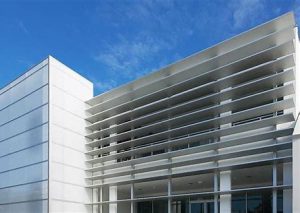
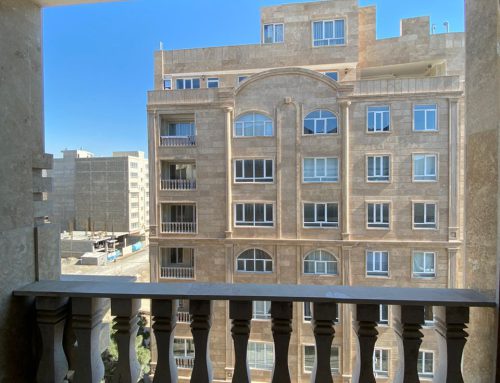
Design of modern and up-to-date aluminum louvres for commercial and office buildings ,In the realm of contemporary architecture, the integration of functionality with aesthetic appeal has become paramount. Aluminum louvres stand as a prime example of this synergy, offering a versatile solution for enhancing the energy efficiency, visual appeal, and overall comfort of commercial and office buildings. These architectural elements have evolved significantly over the years, adapting to both technological advancements and changing design trends to meet the demands of modern structures.
Functionality and Purpose
Aluminum louvres serve multiple purposes, each contributing to the efficiency and comfort of commercial and office spaces:
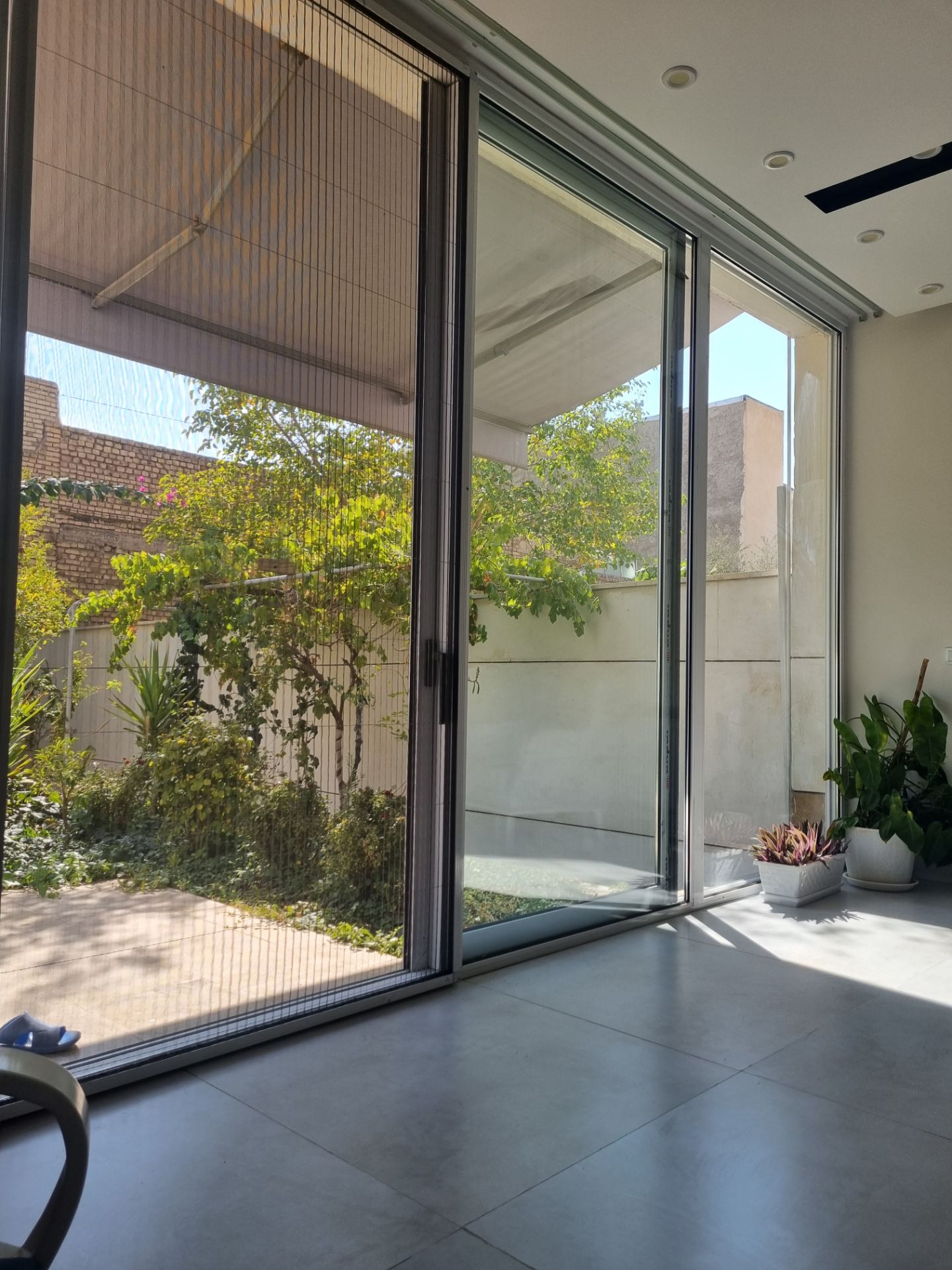
- Solar Shading: One of the primary functions of louvres is solar shading. By strategically placing these structures on building facades, architects can control the amount of sunlight entering interiors. This helps reduce glare, regulate indoor temperatures, and minimize the need for artificial cooling, thereby enhancing energy efficiency.
- Ventilation and Airflow: Louvres are also instrumental in promoting natural ventilation. Their angled slats allow fresh air to flow into the building while expelling stale air, creating a healthier indoor environment. This passive ventilation system reduces reliance on mechanical ventilation, contributing to sustainability goals.
- Privacy and Security: In urban settings, privacy is a crucial consideration. Louvres can be designed to limit visibility from the outside without compromising natural light intake. Additionally, they provide a level of security by acting as barriers against unauthorized access.
Design Evolution
The design of aluminum louvres has evolved significantly to meet the aesthetic demands of contemporary architecture:
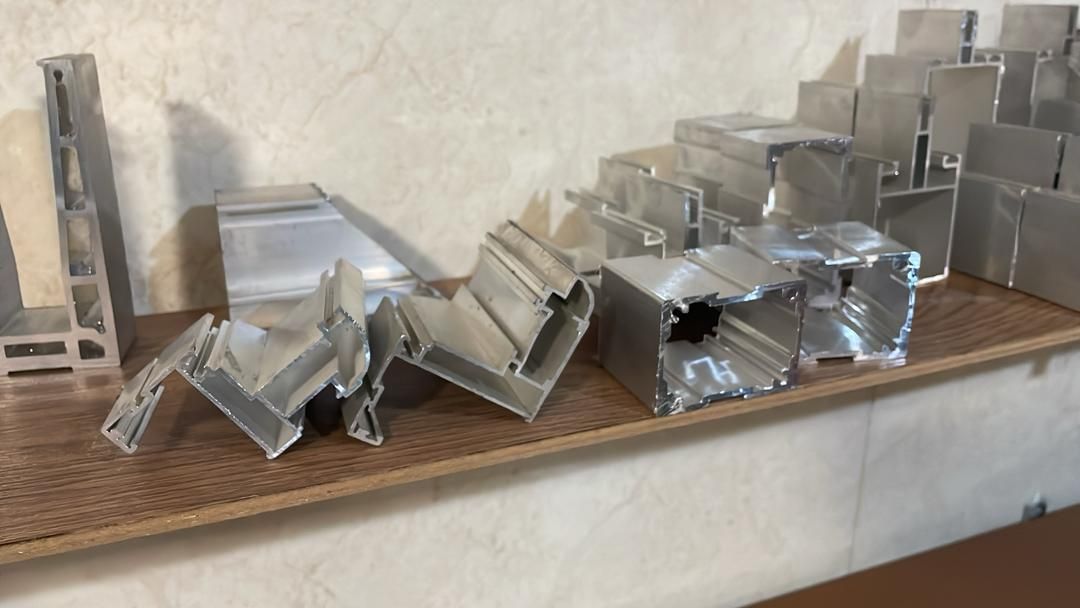
- Material Innovation: Aluminum, prized for its durability, lightweight nature, and resistance to corrosion, remains the material of choice for louvres. Modern manufacturing techniques allow for precision in design, enabling architects to create sleek, minimalist profiles that complement the building’s overall design language.
- Customization: Louvres are no longer solely functional; they have become integral to the visual identity of buildings. Manufacturers offer a wide range of customization options in terms of colors, finishes, and slat sizes, allowing architects to achieve specific design intents while maintaining performance standards.
- Integration with Building Systems: Advanced building technologies have facilitated the integration of louvres with other building systems such as automated controls and smart sensors. This integration enhances their effectiveness in responding to environmental conditions, optimizing energy usage, and ensuring occupant comfort.
Sustainability and Efficiency
The incorporation of aluminum louvres aligns with the growing emphasis on sustainable building practices:
- Energy Efficiency: By reducing solar heat gain and enhancing natural ventilation, louvres contribute to lower energy consumption for heating and cooling, thereby reducing the building’s carbon footprint.
- Longevity and Maintenance: Aluminum’s durability and low maintenance requirements make louvres a cost-effective investment over the long term. They are resistant to rust and degradation, ensuring that they retain their functionality and appearance even in harsh climates.
- Recyclability: Aluminum is highly recyclable, making it an environmentally responsible choice. At the end of their lifecycle, louvres can be recycled without loss of quality, further minimizing environmental impact.
Future Trends and Innovations
Looking ahead, several trends and innovations are poised to further enhance the design and functionality of aluminum louvres:
- Smart Integration: The advent of smart building technologies will likely lead to more sophisticated louvre systems that can dynamically adjust their position and orientation based on real-time data such as solar intensity, indoor temperature, and occupant preferences. This adaptive capability will optimize energy efficiency and comfort levels within buildings.
- Biophilic Design: There is a growing emphasis on biophilic design principles, which seek to incorporate natural elements into the built environment to enhance occupant well-being. Louvres can contribute by not only providing shade and ventilation but also by creating visual connections to the outdoors and enhancing the overall indoor environment.
- Innovative Designs: Architects and designers are increasingly exploring innovative designs that go beyond traditional horizontal or vertical slats. Louvres can now be designed in various shapes, patterns, and orientations, allowing for more creative and artistic expressions while still maintaining their functional benefits.
- Energy Harvesting: There is ongoing research into integrating louvres with energy harvesting technologies such as photovoltaic cells or solar thermal collectors. This dual-purpose approach would enable louvres to not only provide shading and ventilation but also generate renewable energy, further enhancing their sustainability credentials.
Case Studies and Examples
Several notable examples around the world demonstrate the effective use of aluminum louvres in commercial and office buildings:
- Marina One, Singapore: This iconic development features intricate aluminum louvres that help regulate natural light and reduce solar heat gain, contributing to the project’s Green Mark Platinum certification.
- One Central Park, Sydney: Designed by renowned architect Jean Nouvel, this residential and commercial complex utilizes aluminum louvres in its façade to control sunlight exposure and enhance energy efficiency.
- Al Bahr Towers, Abu Dhabi: These twin towers are equipped with responsive façade systems comprising geometric-patterned aluminum louvres that automatically adjust based on the sun’s position, optimizing daylight and reducing solar heat gain.
Challenges and Considerations
While aluminum louvres offer numerous benefits, there are certain challenges and considerations that architects and designers should keep in mind:
- Maintenance: Although aluminum is durable and low-maintenance, louvres may still require periodic cleaning and inspection to ensure optimal performance and longevity. Accessing and maintaining louvres located at heights can be challenging and may require specialized equipment.
- Design Integration: Integrating louvres seamlessly into the overall building design requires careful planning. Architects must consider factors such as aesthetics, structural compatibility, and functional requirements to ensure that louvres complement rather than detract from the building’s appearance.
- Durability and Weather Resistance: While aluminum is generally weather-resistant, louvres exposed to extreme weather conditions or coastal environments may require additional protective coatings or materials to prevent corrosion and maintain their appearance over time.
- Regulatory Compliance: Building regulations and codes may dictate specific requirements for louvre design, particularly concerning fire safety, accessibility, and energy efficiency standards. Compliance with these regulations is essential to ensure the safety and legality of the building.
Future Directions
Looking forward, advancements in materials, technology, and design principles are likely to influence the evolution of aluminum louvres in commercial and office buildings:
- Advanced Materials: Research into new materials or composite structures may lead to louvres that offer enhanced durability, thermal performance, and aesthetic versatility.
- Digital Fabrication: Innovations in digital fabrication techniques, such as 3D printing or robotic assembly, could streamline the manufacturing process and allow for more intricate and customized louvre designs.
- Sustainable Practices: As sustainability continues to be a driving force in architecture, future louvres may incorporate recycled materials or be designed for easy disassembly and recycling at the end of their lifecycle.
- User-Centric Design: There is a growing focus on designing buildings and building components, including louvres, that prioritize user comfort, well-being, and productivity. Future louvres may integrate user-controlled features or responsive technologies to enhance occupant experience.
Conclusion
In conclusion, the design of modern aluminum louvres for commercial and office buildings represents a convergence of innovation, sustainability, and functionality. These versatile architectural elements not only contribute to energy efficiency, natural ventilation, and visual appeal but also play a crucial role in shaping the overall performance and character of contemporary urban environments. By embracing technological advancements and sustainable practices, architects and designers can continue to push the boundaries of louvre design, creating buildings that are not only efficient and resilient but also inspiring and adaptive to the needs of their occupants and the environment.
Design of modern and up-to-date aluminum louvres for commercial and office buildings Design of modern and up-to-date aluminum louvres for commercial and office buildings Design of modern and up-to-date aluminum louvres for commercial and office buildings

Leave A Comment