
Design and implementation of modern facades according to European Union standards with Orga Data software
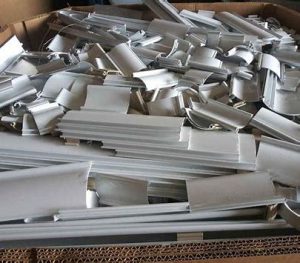
Design and implementation of modern facades according to European Union standards with Orga Data software ,In the realm of architecture and construction, the facade of a building serves as its public face, embodying both aesthetic appeal and functional efficiency. In Europe, where stringent standards govern energy efficiency, sustainability, and design aesthetics, the implementation of modern facades requires careful planning and adherence to regulatory frameworks. This is where innovative software solutions like Orga Data play a crucial role.
The Importance of Modern Facades
Modern facades are more than just outer coverings; they are integral components of sustainable building design. They provide thermal insulation, regulate solar heat gain, reduce energy consumption, and enhance indoor comfort. Moreover, they contribute significantly to the architectural identity of a structure, reflecting the cultural and environmental context of its surroundings.
European Union Standards and Regulations
In Europe, building standards are particularly rigorous, aiming to achieve high levels of energy efficiency and environmental sustainability. Directives such as the Energy Performance of Buildings Directive (EPBD) and the European Green Deal set ambitious targets for reducing greenhouse gas emissions and improving energy efficiency across the continent. Facades, therefore, must comply with these standards to minimize environmental impact and ensure occupant well-being.
Role of Orga Data Software
Orga Data Software specializes in facade design and optimization, aligning with EU standards to facilitate sustainable construction practices. The software integrates advanced modeling capabilities with comprehensive databases of materials and components. This enables architects, engineers, and developers to:
- Energy Performance Simulation: Orga Data allows for precise modeling of thermal performance, solar heat gain, and daylight utilization within building envelopes. This simulation helps optimize facade design to meet or exceed energy efficiency requirements stipulated by EU directives.
- Material Selection: Facades designed with Orga Data software benefit from a vast library of materials certified for environmental performance. This includes insulation properties, durability, and recyclability metrics, ensuring compliance with sustainability goals.
- Regulatory Compliance: By providing up-to-date information on EU regulations and standards, Orga Data ensures that facade designs are compliant from initial concept through to construction completion. This mitigates risks associated with non-compliance and facilitates smooth approval processes.
- Cost Efficiency: Optimizing facade design with Orga Data software not only enhances environmental performance but also improves cost efficiency over the building’s lifecycle. Reduced energy consumption and maintenance requirements translate into long-term savings for building owners and occupants.
Case Studies and Applications
Numerous landmark projects across Europe showcase the successful integration of Orga Data software in facade design. From high-rise office buildings in urban centers to residential complexes in suburban settings, architects leverage the software’s capabilities to achieve distinctive architectural expression while meeting stringent regulatory requirements.
Future Prospects
As the demand for sustainable construction practices grows, Orga Data continues to innovate, incorporating advanced technologies such as artificial intelligence and machine learning into its software solutions. These developments promise even greater precision in facade design, further optimizing energy efficiency and environmental performance.
Embracing Innovation in Facade Design
The evolution of facade design driven by Orga Data software reflects a broader trend towards innovation in the construction industry. By leveraging digital tools and computational modeling, architects can explore new possibilities in form, materiality, and performance. Orga Data’s capabilities extend beyond basic compliance; they empower design teams to push boundaries and create buildings that not only meet regulatory standards but also exceed expectations in terms of sustainability and architectural excellence.
Challenges and Considerations
Despite the benefits, designing modern facades with Orga Data software presents challenges that require careful consideration. These include:
- Complexity of Data Integration: Integrating diverse data sources and parameters into the software for accurate modeling can be challenging. It requires a robust understanding of building physics and material science.
- Technical Expertise: Effective utilization of Orga Data software demands skilled professionals capable of interpreting simulation results and making informed design decisions.
- Cost Implications: While optimizing facade design can lead to long-term cost savings, initial investments in software adoption and training may be significant for some firms.
Collaborative Approach to Success
Successful implementation of Orga Data software in facade design often involves collaboration among architects, engineers, developers, and software experts. By fostering interdisciplinary communication and teamwork, project teams can maximize the software’s capabilities and achieve holistic design solutions that balance aesthetic, performance, and regulatory requirements.
Future Directions and Sustainability Goals
Looking ahead, the future of facade design with Orga Data software is poised for further advancements. As technologies evolve and regulatory frameworks tighten, the software will continue to evolve to meet new challenges and opportunities. Key areas of future development may include:
- Enhanced Performance Metrics: Incorporating more precise metrics for energy performance, indoor air quality, and occupant comfort.
- Integration with Smart Technologies: Leveraging IoT (Internet of Things) and smart building technologies to enhance real-time monitoring and adaptive control of facades.
- Circular Economy Principles: Promoting the use of recycled materials and facilitating end-of-life recycling of facade components.
Challenges and Continuous Improvement
While Orga Data software offers substantial benefits in designing modern facades, challenges remain that require ongoing attention and improvement. These include:
- Adaptation to Local Contexts: Facade design must consider local climate conditions, building traditions, and regulatory variations across different regions within the EU. Orga Data software needs to continuously update its databases and algorithms to account for these nuances.
- Lifecycle Assessment: Beyond initial design and construction, there is a growing emphasis on assessing facades’ environmental impact throughout their lifecycle. Orga Data could expand its capabilities to include comprehensive lifecycle assessment tools, aiding in decisions regarding maintenance, renovation, and end-of-life strategies.
- User Training and Support: Effective utilization of Orga Data software requires a high level of technical expertise. Providing ongoing training and support to users ensures that they can fully leverage the software’s capabilities and navigate its complexities effectively.
Collaboration for Innovation
Addressing these challenges requires collaboration among various stakeholders, including software developers, architects, engineers, policymakers, and sustainability experts. By fostering a collaborative environment, Orga Data can refine its software to better meet the evolving needs of the construction industry and regulatory frameworks.
Future Directions and Emerging Trends
Looking ahead, the future of facade design with Orga Data software is promising, with several emerging trends and developments:
- Integration of AI and Machine Learning: These technologies can enhance predictive modeling capabilities, optimize design parameters, and automate routine tasks, thereby streamlining the design process and improving accuracy.
- Digital Twins: Creating digital replicas of buildings allows for real-time monitoring of facade performance, facilitating proactive maintenance and performance optimization.
- Advancements in Materials Science: Continued research into innovative materials, such as smart glass and biodegradable composites, could expand the range of design possibilities and enhance sustainability.
Conclusion: Pioneering Sustainable Facade Design
In conclusion, Orga Data software represents a pioneering tool in the realm of sustainable facade design, aligning with European Union standards and driving innovation in the construction industry. By enabling architects and engineers to optimize energy performance, comply with regulatory requirements, and achieve aesthetic excellence, Orga Data contributes to creating buildings that are not only functional but also environmentally responsible.
As technology continues to evolve and sustainability becomes increasingly paramount, Orga Data’s commitment to innovation and collaboration will be instrumental in shaping the future of facade design. By embracing these advancements and meeting emerging challenges, Orga Data and its users can continue to lead the way towards a more sustainable built environment—one facade at a time.
Design and implementation of modern facades according to European Union standards with Orga Data software Design and implementation of modern facades according to European Union standards with Orga Data software Design and implementation of modern facades according to European Union standards with Orga Data software



Leave A Comment