
Design and implementation of glass facades with aluminum profiles and according to the standard with Orga Data software
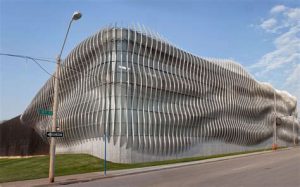
Design and implementation of glass facades with aluminum profiles and according to the standard with Orga Data software ,In the realm of modern architecture, the integration of glass facades with aluminum profiles represents a harmonious blend of aesthetics, functionality, and structural integrity. These elements not only enhance the visual appeal of buildings but also contribute significantly to energy efficiency and sustainability goals. The design and implementation of such facades require meticulous planning, adherence to standards, and the use of advanced software tools like Orga Data.
Understanding Glass Facades with Aluminum Profiles
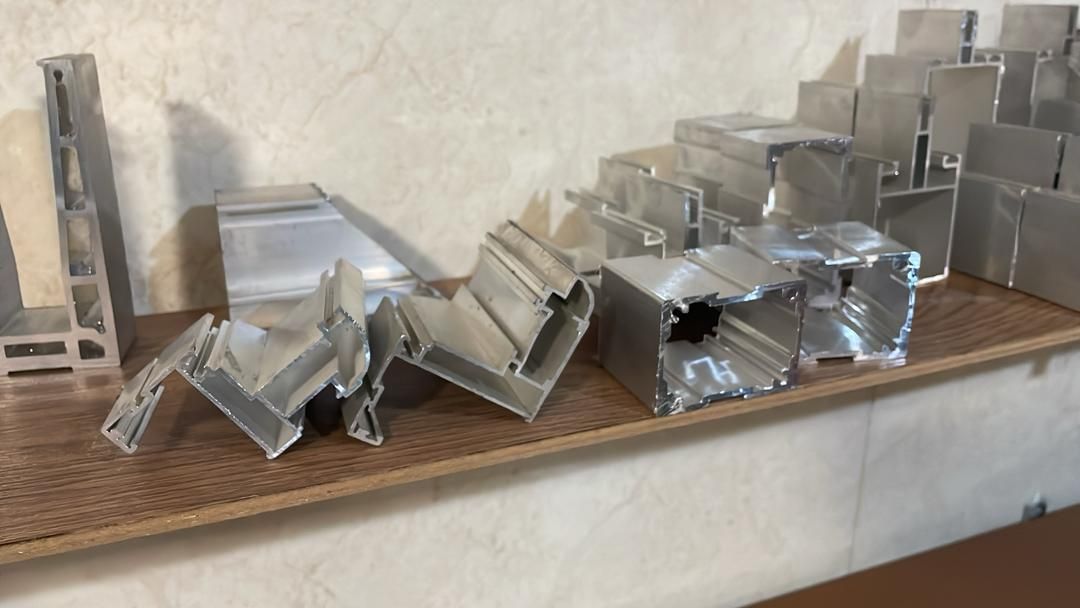
Glass facades serve multiple purposes in architectural design. They provide natural light, offer panoramic views, and create a sense of openness within buildings. When paired with aluminum profiles, these facades gain structural strength and durability while allowing for intricate designs and configurations. Aluminum, known for its lightweight nature and corrosion resistance, is an ideal material choice for supporting large expanses of glass in vertical applications.
Importance of Standards Compliance
Ensuring compliance with industry standards is paramount in the design and construction of glass facades. Standards such as those set by the International Organization for Standardization (ISO) and local building codes govern aspects like wind load resistance, thermal performance, safety, and sustainability. Adhering to these standards not only guarantees the safety of occupants but also enhances the longevity and performance of the facade system.
Role of Orga Data Software in Facade Design
Orga Data Software plays a pivotal role in the design and implementation of glass facades with aluminum profiles. This advanced software suite offers architects, engineers, and facade specialists comprehensive tools for:
- Profile Selection: Orga Data enables precise selection of aluminum profiles based on structural requirements, aesthetic preferences, and energy efficiency goals. It provides a database of profiles from leading manufacturers, ensuring compatibility with various facade systems.
- Structural Analysis: Facade systems must withstand environmental loads such as wind, snow, and seismic forces. Orga Data facilitates detailed structural analysis, simulating these loads to ensure the facade meets or exceeds safety standards and performance expectations.
- Thermal Performance: Energy efficiency is a critical consideration in modern building design. Orga Data software includes tools for thermal analysis, allowing designers to optimize insulation and glazing configurations to minimize heat loss or gain through the facade.
- Documentation and Compliance: The software assists in generating detailed technical documentation, including drawings, specifications, and compliance reports. This documentation is essential for regulatory approvals and construction phases, ensuring the facade is installed correctly and performs as intended.
Implementation Process
The implementation of glass facades with aluminum profiles typically follows a structured process:
- Conceptual Design: Architects collaborate with facade engineers to develop initial concepts, considering aesthetic, functional, and performance requirements.
- Detailed Design: Using Orga Data Software, detailed designs are created, specifying exact profile dimensions, glass types, and installation methods.
- Testing and Validation: Structural simulations and thermal analyses are conducted to validate design assumptions and ensure compliance with applicable standards.
- Fabrication and Installation: Fabricators utilize design specifications to manufacture aluminum profiles and assemble the facade components off-site. Installation teams then erect the facade on-site, adhering to safety protocols and quality standards.
Challenges and Innovations in Facade Design
Despite the benefits of glass facades with aluminum profiles, several challenges persist. These include managing solar heat gain, mitigating glare, ensuring acoustic comfort, and addressing maintenance requirements. Innovations in facade technology continue to address these challenges:
- Solar Control: Advanced coatings and glazing technologies help regulate solar heat gain and reduce cooling loads, enhancing energy efficiency without compromising daylight penetration.
- Acoustic Performance: Specialized glass compositions and profiles can effectively attenuate external noise, ensuring occupants enjoy a comfortable indoor environment.
- Maintenance Strategies: Integrated cleaning systems and durable finishes simplify maintenance tasks, prolonging the facade’s lifespan and reducing operational costs.
Sustainability Considerations
In the context of sustainability, glass facades with aluminum profiles offer significant benefits. These include:
- Energy Efficiency: Optimized thermal performance and daylight harvesting reduce energy consumption for heating, cooling, and lighting.
- Material Efficiency: Aluminum, a highly recyclable material, supports circular economy principles when sourced responsibly and recycled at the end of its lifecycle.
- Occupant Well-being: Abundant natural light and views improve occupant productivity, satisfaction, and overall well-being.
Case Studies and Success Stories
Numerous architectural landmarks exemplify the successful implementation of glass facades with aluminum profiles. Projects like the Burj Khalifa in Dubai, One World Trade Center in New York City, and The Shard in London showcase innovative facade designs that integrate advanced materials and technologies, setting new benchmarks for performance and aesthetics.
Future Trends and Innovations
Looking ahead, the evolution of glass facade technology is poised to introduce further advancements:
- Smart Facades: Integration of sensors and actuators enables dynamic control of shading, ventilation, and lighting based on real-time environmental conditions and occupant preferences.
- Biophilic Design: Incorporating natural elements such as green walls and plantings into facade systems enhances aesthetic appeal and promotes environmental sustainability.
- Digital Twin Technology: Virtual modeling and simulation tools will enhance the design process, allowing for predictive analysis of facade performance and maintenance requirements.
Challenges and Considerations in Implementation
While the design and implementation of glass facades with aluminum profiles offer numerous benefits, several challenges must be carefully navigated during the construction process. These challenges include:
- Logistics and Coordination: Facade construction often involves multiple stakeholders, including architects, engineers, fabricators, and contractors. Effective coordination and communication among these parties are essential to ensure that design intent is translated accurately into built form.
- Safety and Installation: Installing glass facades at height requires strict adherence to safety protocols and regulations. Specialized equipment and trained personnel are necessary to safely handle large glass panels and aluminum profiles during installation.
- Weather and Environmental Factors: Construction timelines can be affected by adverse weather conditions, particularly during facade installation. Proper planning and contingency measures are crucial to mitigate potential delays and ensure project timelines are met.
Case Studies and Practical Applications
Several notable projects demonstrate the successful integration of glass facades with aluminum profiles:
- The Shard, London: This iconic skyscraper features a faceted glass facade supported by aluminum mullions, creating a striking appearance while optimizing natural daylight and panoramic views.
- Apple Park, Cupertino: Designed with sustainability in mind, Apple’s headquarters showcases a seamless glass facade supported by precision-engineered aluminum frames, contributing to energy efficiency and a modern aesthetic.
- Marina Bay Sands, Singapore: The integrated resort complex employs expansive glass facades with aluminum sunshades, balancing aesthetic appeal with solar heat gain management in a tropical climate.
Future Directions and Innovations
Looking forward, ongoing research and development in facade technology are expected to yield exciting innovations:
- Adaptive Facades: Incorporating dynamic elements such as movable louvers or electrochromic glass allows facades to respond intelligently to changing environmental conditions, optimizing energy performance and occupant comfort.
- Material Advancements: Continued advancements in glass and aluminum alloys will enhance durability, thermal performance, and aesthetic possibilities for future facade designs.
- Digital Integration: Building Information Modeling (BIM) and real-time monitoring systems will enable more efficient design, construction, and maintenance of glass facades, leveraging data to optimize performance throughout the building’s lifecycle.
Conclusion
In conclusion, the design and implementation of glass facades with aluminum profiles are at the forefront of contemporary architecture, driven by a blend of artistic vision, engineering prowess, and adherence to rigorous standards. Orga Data software plays a crucial role in this process, facilitating meticulous design, structural analysis, and compliance documentation to ensure that facades meet safety, performance, and sustainability criteria.
As architectural trends evolve, the integration of advanced materials, innovative technologies, and sustainable practices will continue to shape the future of facade design. Challenges such as solar heat control, acoustic comfort, and maintenance are being met with ongoing innovations, enhancing the functionality and longevity of these structures.
Moreover, the sustainability benefits of glass facades with aluminum profiles underscore their significance in reducing energy consumption, enhancing indoor environmental quality, and promoting occupant well-being. Projects worldwide serve as exemplars of successful facade implementation, pushing boundaries and setting new standards for efficiency and design excellence.
Looking ahead, the continued advancement of smart facades, biophilic design elements, and digital twin technologies promises to further elevate the capabilities and versatility of glass facades with aluminum profiles. These innovations will not only transform the aesthetic appeal of buildings but also contribute to a more sustainable built environment.
In essence, as architects, engineers, and designers embrace these technologies and principles, glass facades with aluminum profiles will continue to redefine modern architecture, offering both functional advantages and aesthetic sophistication in equal measure.
Design and implementation of glass facades with aluminum profiles and according to the standard with Orga Data software Design and implementation of glass facades with aluminum profiles and according to the standard with Orga Data software Design and implementation of glass facades with aluminum profiles and according to the standard with Orga Data software Design and implementation of glass facades with aluminum profiles and according to the standard with Orga Data software

Leave A Comment