
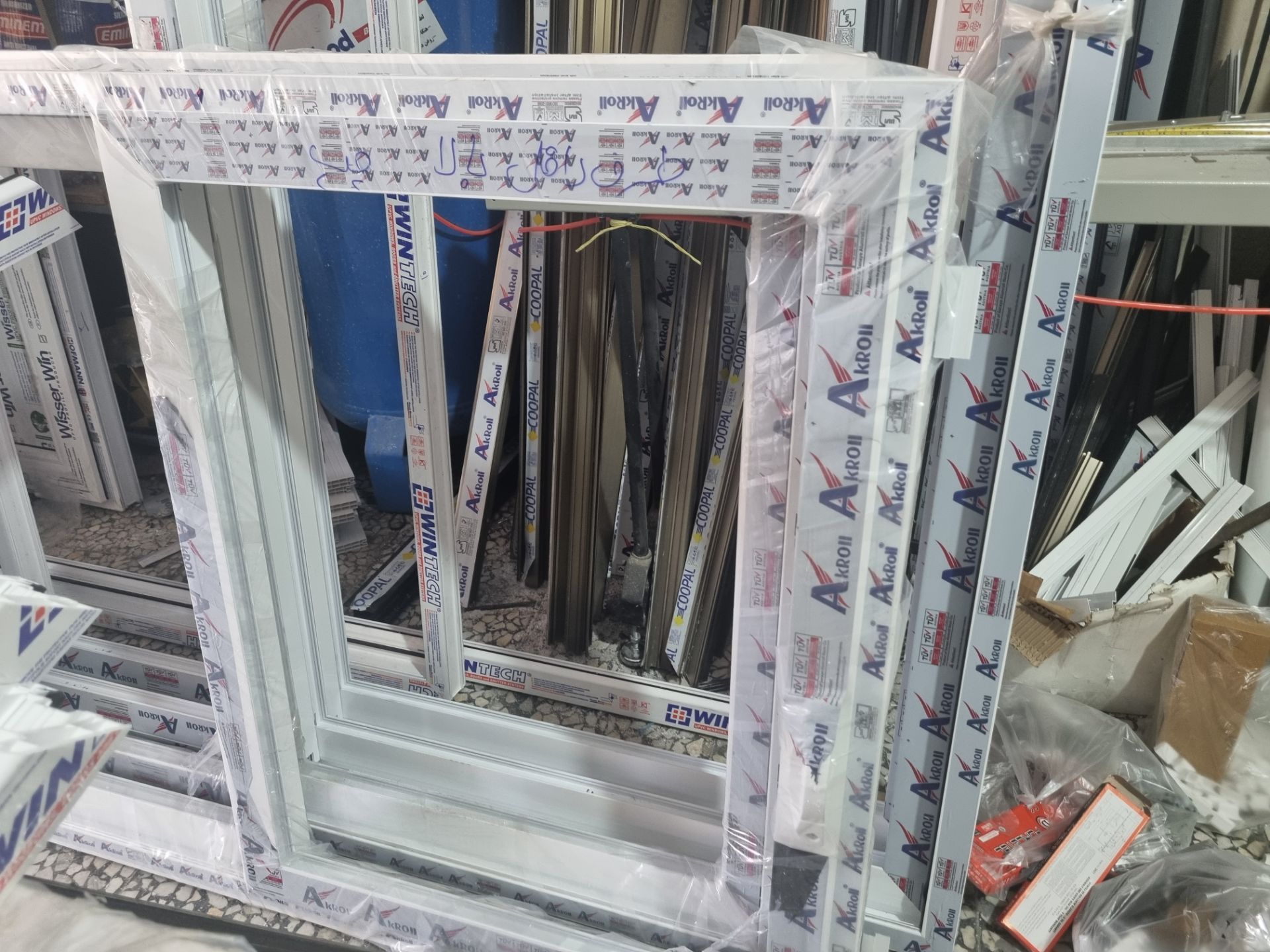
Manufacturer of aluminum profiles according to European Union standards
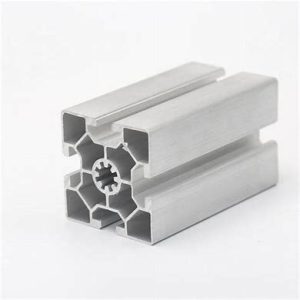
Manufacturer of aluminum profiles according to European Union standards ,In today’s globalized marketplace, adherence to international standards is paramount for industries across various sectors. Among these, the manufacturing of aluminum profiles stands out due to its widespread applications in construction, automotive, aerospace, and consumer goods. In the European Union (EU), stringent regulations and standards ensure product quality, safety, and environmental sustainability. This article explores the crucial role of aluminum profile manufacturers in meeting EU standards and the implications for both industry and consumers.
EU Standards: Ensuring Quality and Safety
The EU has established comprehensive standards for aluminum profiles through directives and regulations such as the Construction Products Regulation (CPR) and the Machinery Directive. These standards cover aspects ranging from material composition and mechanical properties to dimensions, tolerances, and surface finish requirements. Compliance with these standards is not only mandatory but also enhances market acceptance, reliability, and durability of aluminum profiles.
Manufacturing Processes and Quality Control
Manufacturers of aluminum profiles in the EU adhere to rigorous manufacturing processes to ensure conformity with EU standards. These processes typically involve:
- Material Selection: Using high-quality aluminum alloys that meet specific mechanical and chemical properties required by EU standards.
- Extrusion: The primary method for shaping aluminum profiles involves extrusion, where heated aluminum billets are forced through a shaped die. Manufacturers carefully control parameters such as temperature, pressure, and extrusion speed to achieve precise profiles.
- Surface Treatment: Anodizing, powder coating, or other surface treatments are applied to enhance corrosion resistance, appearance, and durability as per EU standards.
- Quality Control: Throughout production, rigorous quality control measures are implemented. This includes testing raw materials, monitoring extrusion parameters, conducting mechanical tests on finished profiles, and ensuring adherence to dimensional tolerances.
Environmental Considerations
EU standards also emphasize environmental sustainability throughout the lifecycle of aluminum profiles. Manufacturers are encouraged to adopt energy-efficient production processes, minimize waste generation, and ensure recyclability of products. Compliance with environmental regulations such as the REACH Regulation (Registration, Evaluation, Authorization and Restriction of Chemicals) underscores the industry’s commitment to sustainability.
Market Implications
For manufacturers, compliance with EU standards enhances market competitiveness and access to the EU’s vast consumer base. It provides assurance to customers regarding product quality, safety, and reliability. Additionally, adherence to standards facilitates export opportunities to other regions that recognize or align with EU requirements.
Consumer Confidence
Consumers benefit from the assurance that aluminum profiles manufactured in accordance with EU standards meet high-quality benchmarks. Whether used in building facades, automotive components, or industrial machinery, products conforming to EU standards are reliable and contribute to overall safety and performance.
Future Directions
Looking ahead, advancements in materials science and manufacturing technologies will continue to shape the aluminum profile industry. Innovations in alloy compositions, surface treatments, and recycling techniques will further enhance product performance while meeting evolving regulatory requirements.
Challenges and Innovations
Despite the benefits of adhering to EU standards, aluminum profile manufacturers face several challenges. These include rising raw material costs, fluctuating energy prices, and the need to continually invest in technology to meet increasingly stringent regulatory requirements. Innovations such as digital manufacturing technologies, advanced simulation tools for process optimization, and lightweighting strategies are crucial in addressing these challenges. Moreover, the industry is exploring novel ways to improve the recyclability of aluminum profiles and reduce their environmental footprint further.
Global Impact and Competitive Edge
The adherence to EU standards not only ensures product quality but also enhances the global competitiveness of European manufacturers. By setting high standards, the EU encourages innovation and drives the adoption of sustainable practices across the industry. This proactive approach not only benefits manufacturers but also positions them as leaders in the global market for aluminum profiles.
Consumer Awareness and Demand
As consumers become more environmentally conscious and informed about product standards, there is a growing demand for products that comply with stringent regulations. Aluminum profiles manufactured according to EU standards resonate well with consumers who prioritize quality, safety, and sustainability. This consumer preference not only drives market demand but also reinforces the importance of regulatory compliance in the manufacturing sector.
Collaboration and Future Outlook
Collaboration among manufacturers, regulatory bodies, research institutions, and other stakeholders is essential for advancing standards and fostering continuous improvement in the aluminum profile industry. Through collaborative efforts, the industry can address emerging challenges, leverage technological advancements, and seize opportunities in a rapidly evolving global market.
Emerging Trends and Future Prospects
Looking ahead, the future of aluminum profile manufacturing in the EU is promising, with several emerging trends and opportunities on the horizon:
- Smart Manufacturing: Integration of Industry 4.0 technologies such as IoT (Internet of Things), AI (Artificial Intelligence), and advanced robotics will revolutionize manufacturing processes. These technologies will enhance production efficiency, reduce costs, and improve product quality through real-time data analytics and predictive maintenance.
- Lightweighting and Sustainability: The demand for lightweight materials in automotive, aerospace, and construction industries is growing due to their potential for reducing fuel consumption and emissions. Aluminum profiles, known for their high strength-to-weight ratio, will play a crucial role in lightweighting initiatives. Furthermore, advancements in recycling technologies will promote closed-loop systems, ensuring that end-of-life aluminum profiles can be efficiently reused.
- Customization and Design Flexibility: Consumer preferences are increasingly driving demand for customized products. Manufacturers are leveraging advanced design and simulation tools to offer tailored solutions that meet specific functional and aesthetic requirements. This trend towards customization enhances product differentiation and customer satisfaction.
- Circular Economy Initiatives: The EU’s Circular Economy Action Plan emphasizes the importance of reducing waste and promoting sustainable practices. Aluminum profile manufacturers are exploring ways to minimize resource consumption, optimize material use, and implement circular economy principles throughout their supply chains. This includes enhancing recycling capabilities and exploring new business models that prioritize resource efficiency.
- Global Market Expansion: EU manufacturers are well-positioned to expand their presence in global markets by leveraging their reputation for quality and compliance with international standards. Strategic partnerships, joint ventures, and market entry into emerging economies will facilitate growth opportunities beyond European borders.
Challenges and Resilience
Despite the optimistic outlook, the aluminum profile manufacturing industry in the EU faces several challenges that require careful navigation:
- Regulatory Compliance Costs: Adhering to EU standards involves significant compliance costs, including investment in equipment, testing facilities, and ongoing regulatory updates. Manufacturers must continuously monitor and adapt to regulatory changes, which can impact production processes and cost structures.
- Global Supply Chain Dynamics: The industry is susceptible to global supply chain disruptions, such as fluctuations in raw material prices, geopolitical tensions, and trade policy changes. Maintaining resilience through diversified sourcing strategies and supply chain transparency is crucial for mitigating risks and ensuring continuity of operations.
- Skills Shortages and Technological Adoption: Embracing advanced manufacturing technologies requires a skilled workforce proficient in digital skills and automation. Addressing skills shortages and upskilling employees to harness the potential of Industry 4.0 technologies is essential for maintaining competitiveness and driving innovation.
- Environmental and Sustainability Pressures: While aluminum profiles offer environmental benefits such as recyclability and energy efficiency, manufacturers must navigate stringent environmental regulations and societal expectations for sustainable practices. This includes minimizing carbon footprint, reducing waste generation, and responsibly managing water and energy consumption.
Collaboration and Innovation
To address these challenges and seize opportunities, collaboration across the industry and with stakeholders is crucial. Manufacturers can benefit from knowledge-sharing platforms, research collaborations, and industry associations that promote best practices and facilitate technology adoption. Governments and regulatory bodies play a pivotal role in supporting the industry through incentives for sustainable practices, funding for research and development, and harmonized standards that facilitate international trade.
Adapting to Market Dynamics and Consumer Trends
As the aluminum profile manufacturing industry in the EU progresses, adaptation to evolving market dynamics and consumer trends becomes increasingly critical:
- Digital Transformation: The adoption of digital technologies continues to reshape manufacturing processes. Industry 4.0 advancements such as digital twins, augmented reality for maintenance, and data-driven decision-making are enhancing efficiency, reducing downtime, and improving overall productivity. Manufacturers that embrace these technologies gain a competitive edge by offering faster turnaround times, higher customization capabilities, and superior product quality.
- Consumer Preferences and Sustainability: Consumer awareness and preferences are shifting towards sustainable products with minimal environmental impact. Manufacturers are responding by integrating sustainable practices into their operations, from sourcing eco-friendly raw materials to optimizing energy usage and reducing waste. Certifications and labels that denote compliance with environmental standards further enhance product credibility and appeal to eco-conscious consumers.
- Resilience in Supply Chain Management: The COVID-19 pandemic highlighted vulnerabilities in global supply chains, prompting manufacturers to reassess and strengthen their supply chain resilience. Strategies such as localizing suppliers, diversifying sourcing regions, and leveraging digital tools for real-time supply chain visibility are essential for mitigating risks and ensuring continuity during disruptions.
Innovation and Future Directions
Looking forward, innovation remains pivotal in shaping the future of aluminum profile manufacturing:
- Advanced Materials and Design: Research and development efforts focus on enhancing the properties of aluminum alloys, such as strength, corrosion resistance, and thermal conductivity. Innovations in material science enable the development of lighter, stronger, and more durable profiles that meet stringent performance requirements across diverse applications.
- Circular Economy Initiatives: The transition towards a circular economy accelerates as manufacturers implement closed-loop recycling systems and circular design principles. By reclaiming and reusing materials from end-of-life products, the industry reduces resource consumption, minimizes waste, and contributes to a more sustainable manufacturing ecosystem.
- Collaboration and Partnerships: Collaborative initiatives between manufacturers, research institutions, and governments drive innovation and address industry challenges collectively. These partnerships facilitate knowledge exchange, joint R&D projects, and the development of industry standards that promote technological advancement and market competitiveness.
Conclusion
In conclusion, the aluminum profile manufacturing industry in the EU continues to evolve through innovation, resilience, and sustainability. By embracing digital transformation, responding to consumer preferences for sustainable products, and fostering collaboration across the industry, manufacturers are well-positioned to navigate challenges and capitalize on opportunities in a dynamic global market. As advancements in technology and materials propel the industry forward, a steadfast commitment to excellence and environmental stewardship will drive continued growth and leadership in aluminum profile manufacturing.
Manufacturer of aluminum profiles according to European Union standards Manufacturer of aluminum profiles according to European Union standards Manufacturer of aluminum profiles according to European Union standards Manufacturer of aluminum profiles according to European Union standards Manufacturer of aluminum profiles according to European Union standards





Leave A Comment