
Thermal break curtain wall hidden vent systems
Introduction:
In the realm of modern architecture, the pursuit of energy efficiency and sustainable design has become paramount. One crucial element in achieving these goals is the evolution of curtain wall systems. Among the innovations in this domain, thermal break curtain wall hidden vent systems stand out as a solution that not only enhances the aesthetics of a building but also significantly improves its energy performance.
Understanding Thermal Break Technology:
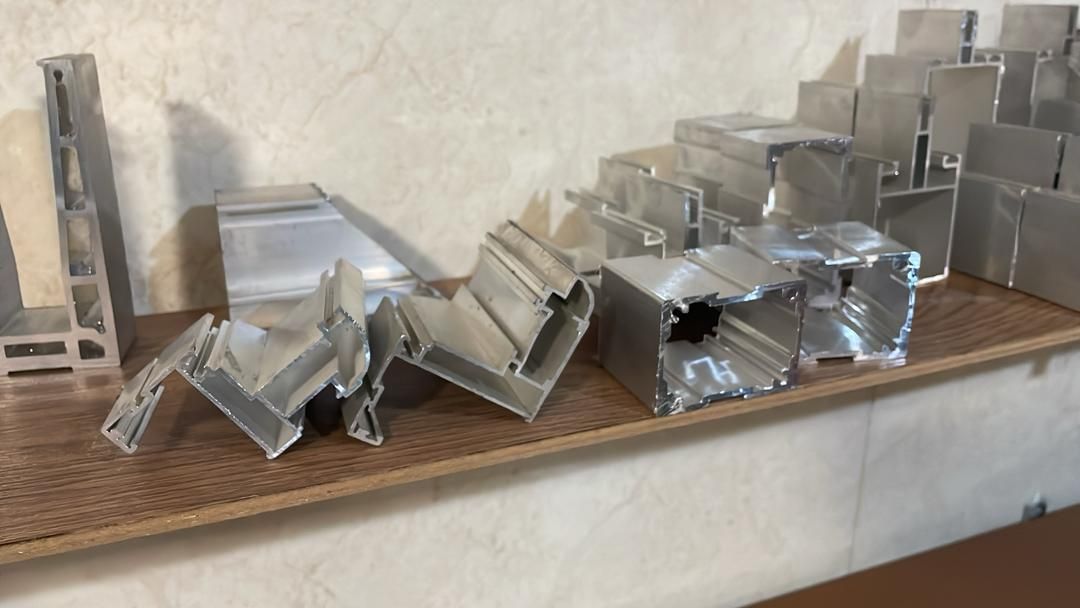
Traditional curtain wall systems often posed challenges in terms of energy efficiency, with metal frames acting as conduits for heat transfer. However, the integration of thermal break technology has revolutionized the industry. A thermal break is a non-conductive material introduced between the inner and outer layers of a metal frame, disrupting the thermal bridge and minimizing heat transfer.
The Hidden Vent System:
Incorporating a hidden vent system into thermal break curtin walls takes energy efficiency to the next level. This design seamlessly integrates ventilation elements within the curtain wall structure, maintaining a sleek and unobtrusive appearance while offering the flexibility to control airflow.
Key Features and Benefits:
- Enhanced Energy Efficiency:
- The thermal break technology ensures minimal heat transfer, contributing to improved insulation and reduced energy consumption for heating and cooling.
- Hidden vents allow for controlled ventilation, optimizing airflow and reducing the reliance on mechanical HVAC systems.
- Aesthetic Appeal:
- Hidden vent systems maintain the clean lines and uninterrupted appearance of modern architecture, enhancing the overall aesthetic of a building.
- Architects can design with more freedom, knowing that ventilation elements are seamlessly integrated into the curtain wall, avoiding the need for additional structures.
- Climate Control:
- The ability to control the hidden vents allows for efficient climate management within the building. This is particularly crucial for maintaining comfort in different seasons and climates.
- Acoustic Benefits:
- The integration of hidden vent systems can contribute to sound insulation, creating a more comfortable and productive indoor environment.
- Customization and Flexibility:
- Architects and designers can customize the size, shape, and placement of hidden vents to meet specific project requirements.
- The flexibility of the system allows for adaptation to various architectural styles and preferences.
Case Studies:
Several landmark buildings around the world have adopted thermal break curtain wall hidden vent systems, showcasing the practical benefits of this technology. From office complexes to residential towers, these structures stand as testaments to the successful integration of aesthetics and energy efficiency.
Challenges and Considerations:
While thermal break curtain wall hidden vent systems offer a myriad of benefits, there are also challenges and considerations that architects and builders should take into account. The choice of materials, the complexity of installation, and maintenance requirements are crucial factors in the successful implementation of these systems. Additionally, considerations regarding local climate conditions and building codes must be thoroughly addressed to ensure optimal performance.
Technological Advances:
As technology continues to advance, so too does the potential for improvement in thermal break curtain wall hidden vent systems. Ongoing research and development aim to enhance the efficiency of these systems even further, exploring new materials, smart ventilation controls, and other innovations to meet the ever-evolving demands of sustainable architecture.
Environmental Impact:
Beyond energy efficiency, the environmental impact of construction materials is a growing concern. The use of sustainable and recyclable materials in the manufacturing of thermal break curtain wall hidden vent systems contributes to reducing the carbon footprint associated with building construction.
Global Adoption:
The global adoption of thermal brak curtain wall hidden vent systems is on the rise as architects and builders recognize the importance of energy-efficient design. This trend is particularly significant in regions with stringent energy regulations and a growing commitment to sustainable construction practices.
Future Trends:
Looking ahead, it’s clear that thermal break curtan wall hidden vent systems will continue to evolve and become more integral to the fabric of modern architecture. Future trends may include the integration of smart technologies, such as automated vent controls based on real-time environmental conditions, further optimizing energy consumption.
Implementation in Iconic Structures:
Several iconic structures around the globe have embraced the benefits of thermal break curtain wall hidden vent systems, becoming beacons of sustainable design. From the Burj Khalifa in Dubai to the One World Trade Center in New York, these structures not only stand as testaments to architectural prowess but also serve as reminders of the importance of integrating cutting-edge technology for a greener future.
Industry Collaboration and Innovation:
The widespread adoption of termal break curtain wall hidden vent systems is not only a testament to the commitment of architects and builders but also a result of collaboration within the industry. Manufacturers, architects, and environmental experts are working together to refine existing technologies and develop new solutions, creating a positive feedback loop that drives innovation and progress in sustainable construction.
Economic Considerations:
While the initial investment in thermal break curtain wall hiden vent systems may be higher than conventional alternatives, the long-term economic benefits cannot be overstated. The energy savings, coupled with potential incentives for sustainable building practices, make these systems economically viable in the grander scheme of a building’s life cycle.
Education and Awareness:
As the construction industry continues to evolve, education and awareness play pivotal roles in the widespread adoption of sustainable technologies. Architects, builders, and clients must be informed about the advantages of thermal break curtain wall hiddn vent systems and other eco-friendly solutions to drive demand and promote environmentally conscious decision-making.
Regulatory Influence:
Government regulations and building codes are increasingly emphasizing the importance of energy efficiency in construction. The integration of thermal break curtain wall hidden vent systems aligns with these regulatory frameworks, encouraging the industry to adhere to higher standards and pushing the boundaries of sustainable architecture.
Global Impact:
The global impact of adopting thermal break curtain wall hiddn vent systems extends beyond individual buildings. As a collective effort, the widespread adoption of such systems can contribute significantly to global energy conservation and reduced greenhouse gas emissions, aligning with broader initiatives to combat climate change.
Conclusion:
In the pursuit of sustainable and energy-efficient architecture, the integration of thermal break curtain wall hidden vent systems represents a pivotal advancement. The seamless combination of aesthetics and functionality not only addresses the immediate needs of a building but also contributes to a more sustainable future for the construction industry. As architects and builders increasingly recognize the importance of reducing energy consumption in buildings, these innovative systems are likely to become standard features in the design and construction of structures around the world.
In essence, the marriage of thermal break technology and hidden vent systems exemplifies the intersection of form and function, showcasing that sustainable design can be both visually appealing and environmentally responsible. As the industry continues to push boundaries, the evolution of these systems will undoubtedly play a crucial role in shaping the future of architecture, offering a blueprint for buildings that are not only beautiful but also mindful of their impact on the planet.

Leave A Comment