
Thermal break curtain wall semi capped systems
Introduction:
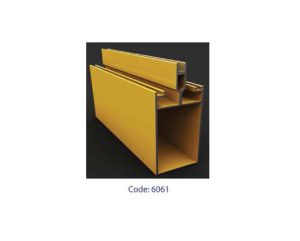
In the ever-evolving world of architecture and construction, innovative solutions are constantly sought to enhance the performance and sustainability of buildings. One such advancement in building envelope technology is the use of thermal break curtain wall semi-capped systems. This article delves into the features, benefits, and applications of these systems, shedding light on how they contribute to energy efficiency, comfort, and aesthetic appeal in modern structures.
Understanding Thermal Break Curtain Wall Systems:
A curtain wall is a non-structural outer covering of a building’s façade that is designed to withstand the effects of weather. Traditional curtain wall systems have been known for their efficiency in providing natural light and an open aesthetic. However, they often fall short in terms of thermal performance. This is where thermal break technology comes into play.
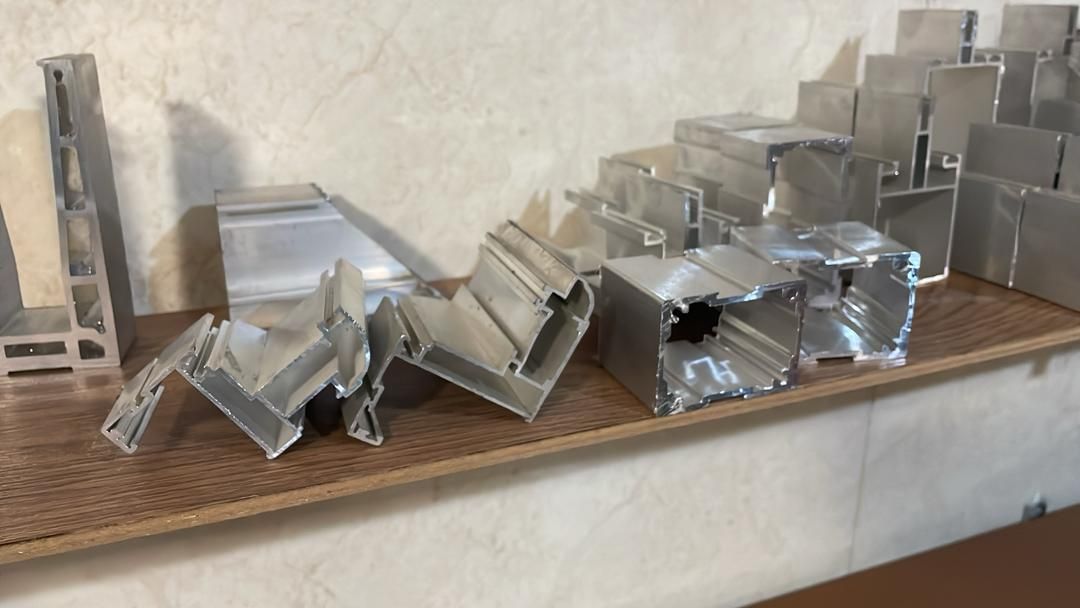
A thermal break is an insulating material introduced between two conductive materials to reduce thermal conductivity. In the context of curtain walls, a thermal break is integrated into the framing system to minimize heat transfer between the interior and exterior of a building. This significantly improves the thermal efficiency of the curtain wall, reducing the building’s energy consumption and enhancing overall sustainability.
Semi-Capped Systems:
Semi-capped systems represent a variation of curtain wall design that strikes a balance between the exposed aesthetics of capless systems and the added protection provided by fully capped systems. In thermal break curtain wall semi-capped systems, the outer edges of the glass panels are covered with caps, providing a sleek and modern appearance while offering enhanced weather resistance.
Benefits of Thermal Break Curtain Wall Semi-Capped Systems:
- Improved Thermal Performance: The primary advantage of thermal break curtain wall systems lies in their ability to reduce heat transfer. This results in better insulation, helping to maintain a comfortable interior temperature and reducing reliance on heating, ventilation, and air conditioning (HVAC) systems.
- Energy Efficiency: By minimizing heat loss or gain through the building envelope, thermal break curtain wall semi-capped systems contribute to increased energy efficiency. This, in turn, can lead to lower energy bills and a reduced carbon footprint for the building.
- Enhanced Comfort: The improved insulation provided by these systems translates into a more consistent indoor climate, reducing drafts and cold spots. Occupants can enjoy a comfortable environment year-round, promoting productivity and well-being.
- Aesthetic Versatility: The semi-capped design allows for a balance between the clean, modern look of capless systems and the added protection of fully capped systems. This versatility in design caters to a wide range of architectural styles and preferences.
- Weather Resistance: The caps on the edges of the glass panels in semi-capped systems provide an additional layer of protection against harsh weather conditions. This is particularly important in locations with extreme temperatures, high winds, or heavy precipitation.
- Cost Savings: Although initial installation costs may be slightly higher compared to traditional curtain wall systems, the long-term benefits of reduced energy consumption and lower maintenance costs make thermal break curtain wall semi-capped systems a cost-effective choice. Over time, building owners can experience a return on investment through energy savings.
- Regulatory Compliance: As energy efficiency standards and building codes become more stringent, the use of thermal break technology aligns with regulatory requirements. Choosing a curtain wall system that meets or exceeds these standards ensures that the building is in compliance with current and future environmental regulations.
- Customization Opportunities: The design flexibility of thermal break curtain wall semi-capped systems allows architects and designers to customize the appearance of the building façade. The caps can be tailored to match the desired aesthetic, offering a wide range of color and finish options.
- Sound Insulation: In addition to thermal benefits, the design of these systems can contribute to improved sound insulation. The additional layers and materials in the curtain wall assembly help dampen external noise, creating a quieter and more comfortable interior environment.
- Sustainability Credentials: Sustainable building practices are becoming increasingly important in the construction industry. Thermal break curtain wall systems contribute to a building’s sustainability by reducing energy consumption, which aligns with green building certification programs such as LEED (Leadership in Energy and Environmental Design) and BREEAM (Building Research Establishment Environmental Assessment Method).
- Longevity and Durability: The materials used in thermal break curtain wall systems are often chosen for their durability and resistance to corrosion. This ensures a longer lifespan for the building envelope, reducing the need for frequent repairs or replacements and further contributing to the overall sustainability of the structure.
- Installation and Maintenance: The installation process of thermal break curtain wall semi-capped systems is generally straightforward, and many manufacturers provide detailed guidelines for efficient and precise installation. Additionally, these systems often require less maintenance compared to traditional curtain walls, as the materials used are chosen for their durability and resistance to environmental factors. This can result in lower ongoing maintenance costs and increased peace of mind for building owners.
- Adaptability to Climate: Thermal break curtain wall semi-capped systems are versatile and can be adapted to various climates and weather conditions. Their design, combined with the insulating properties of the thermal break, helps regulate the interior temperature, making them suitable for both hot and cold climates. This adaptability enhances the overall performance of the building envelope in diverse geographical locations.
- Technological Advances: The field of curtain wall technology is continually evolving, driven by technological advances and innovations in materials. Ongoing research and development may lead to further improvements in thermal break systems, offering even greater energy efficiency, durability, and design possibilities. Staying abreast of these advancements allows architects and builders to incorporate the latest technologies into their projects, ensuring they remain at the forefront of the industry.
- Case Studies and Success Stories: Examining real-world examples of buildings that have implemented thermal break curtain wall semi-capped systems provides valuable insights into their performance. Case studies and success stories showcase how these systems have positively impacted energy efficiency, occupant comfort, and the overall aesthetic of different structures. Learning from these examples can inspire confidence in the decision to adopt thermal break technology.
Conclusion: In the dynamic landscape of modern architecture and construction, the adoption of thermal break curtain wall semi-capped systems represents a pivotal step toward achieving sustainable, energy-efficient, and visually appealing building designs. As the construction industry continues to prioritize environmental responsibility and energy conservation, these systems are likely to become increasingly prevalent in new construction and renovation projects alike. By combining the benefits of thermal break technology with the versatility of semi-capped designs, architects and builders can create structures that not only meet but exceed the expectations of occupants, regulatory standards, and the broader goals of sustainable development. As the industry moves forward, the role of thermal break curtain wall systems in shaping the future of building design and performance is poised to remain significant.

Leave A Comment