
Skylight thermal break
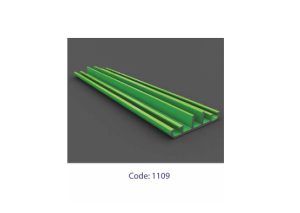
Introduction:
In the realm of modern architecture and sustainable design, the integration of natural light has become a crucial aspect of creating energy-efficient and aesthetically pleasing spaces. Skylight thermal break curtain wall systems play a pivotal role in achieving this delicate balance. These innovative systems combine the benefits of natural light with thermal performance, offering a sustainable solution for contemporary buildings.
Understanding Skylight Thermal Break Curtain Wall Systems:
Skylight thermal break curtain wall systems are architectural marvels designed to maximize the use of daylight while effectively managing thermal efficiency within a building. Let’s break down the key components and advantages of these systems:
Thermal Break Technology:
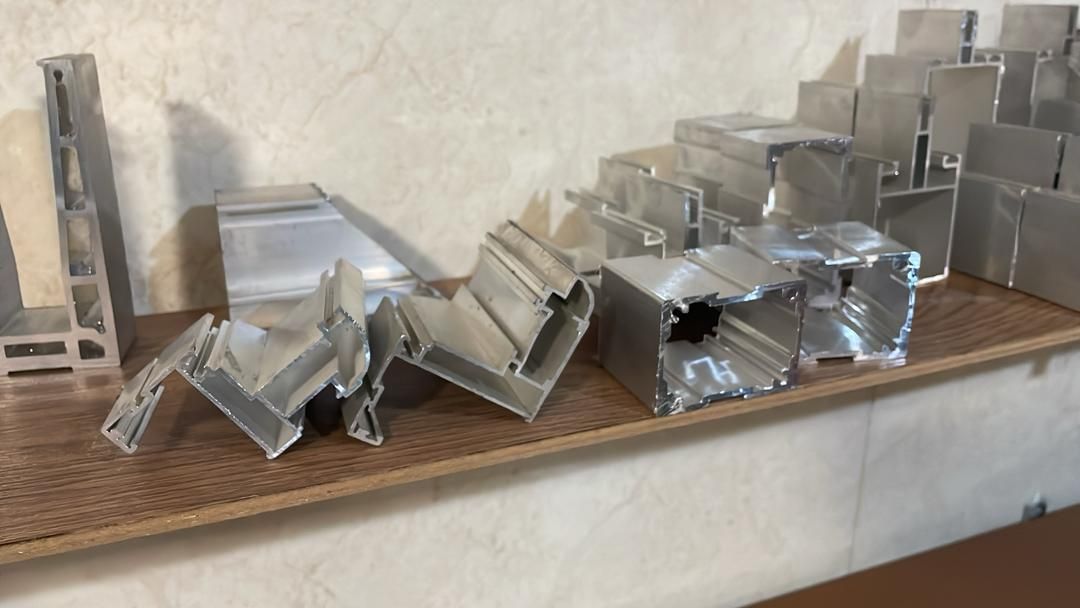
The term “thermal break” refers to the introduction of a material with low thermal conductivity between the inner and outer parts of the curtain wall. This strategic placement creates a barrier that minimizes heat transfer, improving the overall thermal performance of the system. Commonly used materials for thermal breaks include polyamide and fiberglass.
Daylight Optimization:
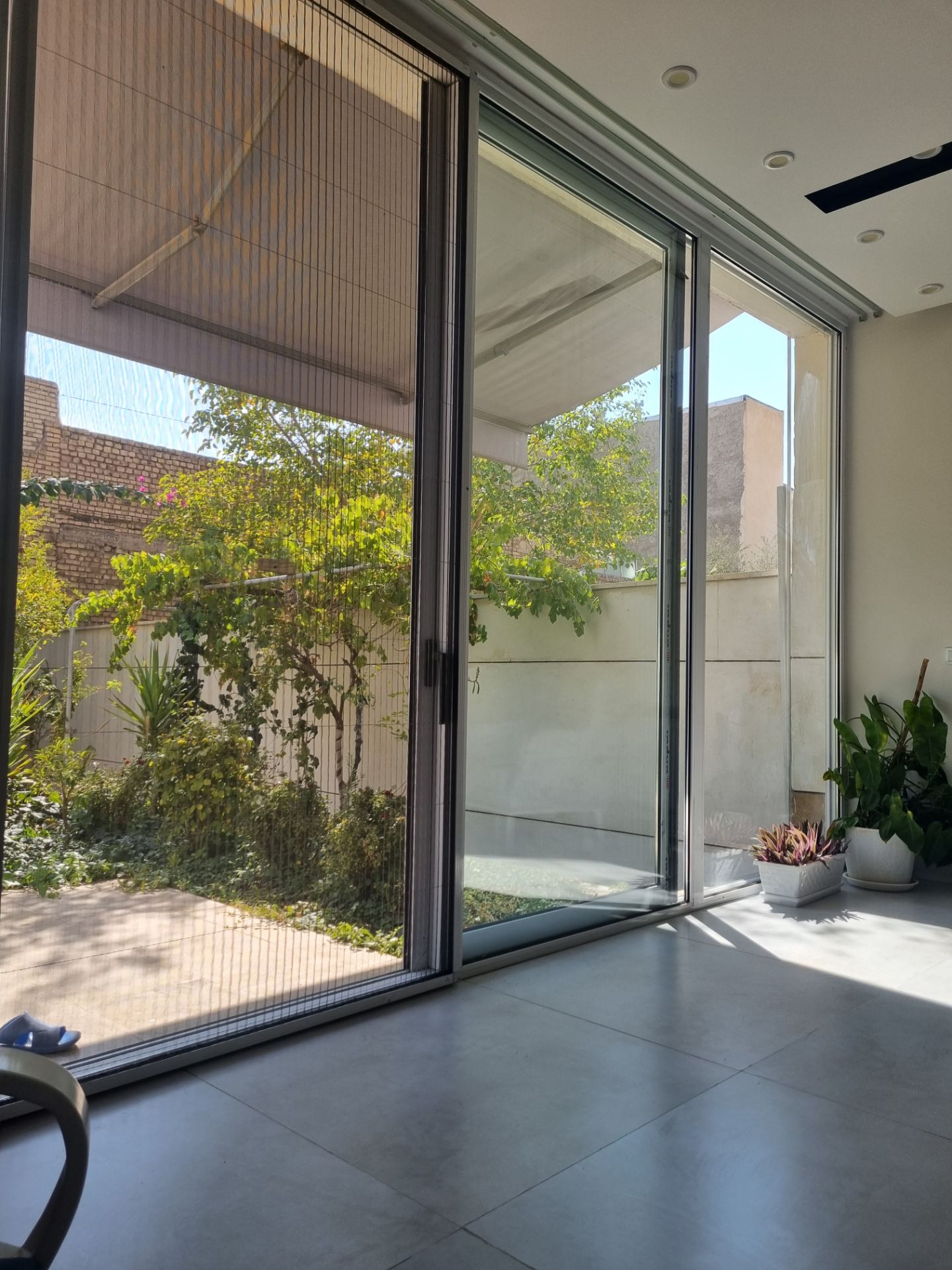
Skylight systems are specifically engineered to capture and distribute natural light effectively throughout a building. This not only reduces the dependence on artificial lighting during the day but also contributes to the well-being and productivity of occupants by providing a connection to the outdoors.
Energy Efficiency:
By incorporating thermal break technology, these curtain wall systems contribute significantly to the energy efficiency of a building. The reduced heat transfer between the interior and exterior environments helps regulate the internal temperature, resulting in lower energy consumption for heating and cooling.
Solar Heat Gain Control:
Advanced skylight thermal break curtain wall systems often come equipped with features to control solar heat gain. This is achieved through the integration of glazing options that can selectively filter and block certain wavelengths of light, preventing excessive heat buildup while still allowing for ample natural light.
Versatility in Design:
These systems offer architects and designers a high degree of flexibility in terms of aesthetics and functionality. Skylight thermal break curtain walls can be customized to fit various architectural styles and can accommodate different types of glazing, ranging from clear glass to tinted or low-emissivity coatings.
Environmental Sustainability:
The energy-saving benefits of skylight thermal break curtain walls align with the growing emphasis on sustainable building practices. By reducing the reliance on artificial lighting and heating or cooling systems, these systems contribute to the overall environmental performance of a structure.
Implementation and Considerations:
Implementing skylight thermal break curtain wall systems requires careful consideration of various factors. These considerations include climate, building orientation, and the specific needs of the occupants. Working closely with architects, engineers, and manufacturers is essential to ensure the successful integration of these systems into the overall building design.
Climate Considerations:
The effectiveness of skylight thermal break curtain wall systems can be optimized by tailoring them to the local climate. In colder climates, the focus may be on maximizing solar heat gain, while in warmer regions, emphasis may be placed on minimizing heat gain and promoting natural ventilation. Climate-responsive design ensures that the system performs optimally year-round.
Building Orientation:
The orientation of the building plays a crucial role in harnessing the benefits of natural light. Properly orienting skylight systems can maximize sunlight exposure during the winter months while minimizing it during the summer, contributing to a more comfortable and energy-efficient interior environment.
Occupant Comfort and Well-Being:
Skylight thermal break curtain wall systems not only enhance energy efficiency but also contribute to the well-being of building occupants. Access to natural light has been linked to increased productivity, improved mood, and better overall health. Designing spaces that prioritize occupant comfort fosters a positive and sustainable living or working environment.
Challenges and Solutions:
While skylight thermal break curtain wall systems offer numerous benefits, they also come with certain challenges. Mitigating these challenges is crucial for ensuring the long-term success of these systems.
Glare and Heat Control:
Excessive glare and heat gain can be issues associated with skylights. However, advanced glazing technologies, such as smart glass or dynamic shading systems, can be integrated to address these concerns. These solutions allow for the dynamic control of light and heat entering the building, ensuring a comfortable indoor environment.
Maintenance and Cleaning:
Skylights are often exposed to the elements, and maintenance can be a challenge, especially in hard-to-reach areas. Designing systems that facilitate easy access for cleaning and maintenance is essential for the longevity and performance of the curtain wall.
Case Studies: Exemplifying Success
Several case studies showcase the successful implementation of skylight thermal break curtain wall systems in real-world applications. Notable examples include commercial buildings, educational institutions, and cultural spaces. These case studies provide insights into the diverse ways these systems can be tailored to meet specific architectural and environmental needs.
Corporate Headquarters:
In the design of corporate headquarters, skylight thermal break curtain wall systems have been instrumental in creating open and collaborative work environments. The infusion of natural light reduces reliance on artificial lighting, contributing to a healthier workplace. Additionally, the energy savings achieved by regulating internal temperatures positively impact the operational costs of these large-scale structures.
Educational Facilities:
Educational institutions worldwide are adopting skylight thermal break curtain wall systems to enhance learning environments. These systems not only improve energy efficiency but also create well-lit and inviting spaces for students and faculty. The ability to control glare and heat gain ensures that classrooms remain comfortable throughout the academic year.
Cultural and Recreational Spaces:
In cultural and recreational spaces such as museums and sports complexes, skylight systems are utilized to showcase exhibits and provide optimal lighting for various activities. The controlled admission of natural light not only enhances the visual appeal of these spaces but also supports sustainable design principles.
Future Trends and Innovations:
The future of skylight thermal break curtain wall systems is marked by ongoing innovations aimed at further improving performance and addressing emerging challenges. Some anticipated trends include:
Integration of Smart Technologies:
The incorporation of smart technologies, such as sensors and automation, is expected to become more prevalent. These technologies will enable real-time adjustments to lighting, shading, and ventilation based on environmental conditions, occupancy, and user preferences.
Advancements in Glazing Materials:
Continued research and development in glazing materials will lead to the creation of more efficient and multifunctional options. High-performance coatings, electrochromic glass, and other innovations will offer enhanced control over light transmission and thermal properties.
Sustainable Material Choices:
The industry is likely to witness a shift towards more sustainable material choices in the manufacturing of skylight thermal break curtain wall systems. This includes the use of recycled materials and the development of systems with reduced environmental impact.
Conclusion:
Skylight thermal break curtain wall systems represent a forward-thinking approach to sustainable architecture, combining energy efficiency with the aesthetic benefits of natural light. As these systems continue to evolve and gain widespread acceptance, they will play a pivotal role in shaping the future of building design. The ongoing collaboration between architects, engineers, and manufacturers, coupled with advancements in technology, ensures that skylight thermal break curtain wall systems will remain at the forefront of environmentally conscious and occupant-centric architectural solutions. By embracing these innovations, the construction industry can contribute to a more sustainable and visually appealing built environment.



Leave A Comment