
Curtain wall transom profiles
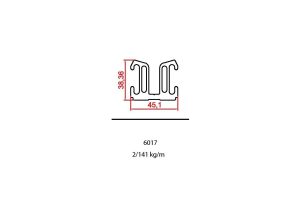
Introduction:
Curtain walls have become an integral element in contemporary architecture, seamlessly blending form and function to create visually stunning and structurally robust building facades. Among the various components that contribute to the success of curtain wall systems, transom profiles play a crucial role. In this article, we delve into the significance of curtain wall transom profiles, exploring their functions, design considerations, and the evolution of this essential architectural element.
Understanding Curtain Wall Transom Profiles:
Curtain wall systems are non-structural outer coverings of a building’s facade designed to keep out the elements and support their own weight. Transom profiles are horizontal members that connect vertical mullions in a curtain wall, acting as a crucial component in distributing loads and enhancing the overall structural integrity of the system.
Functions of Curtain Wall Transom Profiles:
- Structural Support: Transom profiles serve as horizontal support elements that help distribute the weight of the curtain wall system, ensuring that it can withstand environmental forces such as wind loads and seismic activity. The strategic placement of transoms aids in transferring these forces efficiently to the building’s structure.
- Water Management: Curtain walls must effectively manage water infiltration to protect the building’s interior. Transom profiles play a role in this by incorporating drainage channels and weep holes, allowing water to be directed away from the facade and preventing potential damage.
- Aesthetic Integration: Beyond their structural roles, transom profiles contribute significantly to the visual appeal of curtain wall systems. Designers can choose from various profiles, materials, and finishes to achieve specific architectural aesthetics, ensuring that the curtain wall seamlessly integrates with the overall building design.
Design Considerations:
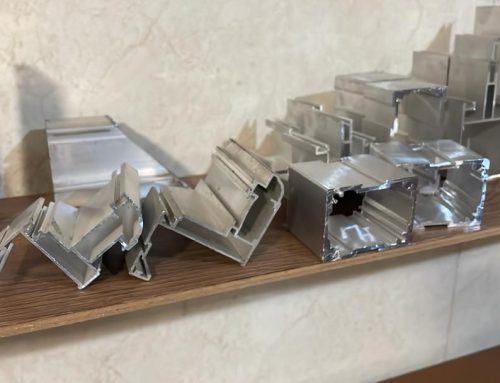
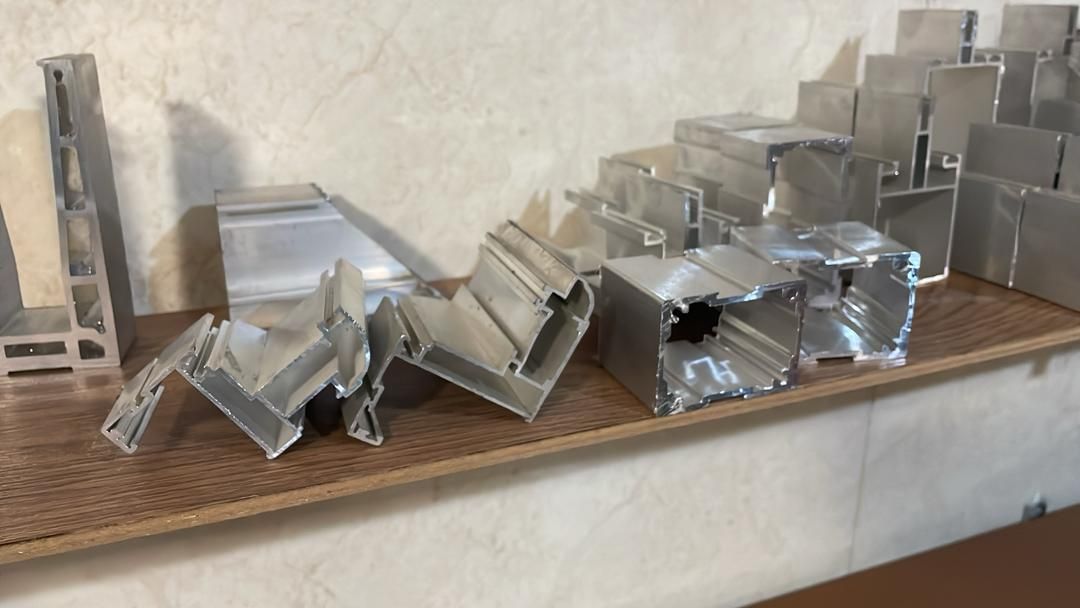
- Material Selection: Transom profiles are manufactured using materials such as aluminum, steel, or glass-reinforced plastic (GRP). The choice of material depends on factors like structural requirements, thermal performance, and aesthetic preferences.
- Thermal Performance: As energy efficiency becomes a priority in modern architecture, transom profiles are designed to accommodate thermal breaks—insulating elements that prevent the transfer of heat between the interior and exterior of the building. This ensures better energy conservation and a more comfortable indoor environment.
- Customization and Versatility: Architects and designers appreciate the versatility of transom profiles, which allows for customization in terms of size, shape, and appearance. This flexibility enables the creation of unique and innovative facade designs tailored to the specific requirements of each project.
Evolution of Curtain Wall Transom Profiles:
Advancements in materials and manufacturing technologies have greatly influenced the evolution of curtain wall transom profiles. From traditional bulky designs to sleek, minimalist profiles, the architectural industry has witnessed a shift toward more efficient and aesthetically pleasing solutions.
- Integration of Technology: Modern transom profiles often incorporate advanced technologies, such as integrated LED lighting or smart glass, further enhancing the functionality and visual appeal of curtain wall systems.
- Sustainability: Increasing emphasis on sustainability has led to the development of eco-friendly transom profiles. Materials with high recyclability and low environmental impact are now preferred, aligning with the growing demand for green building practices.
Challenges and Innovations:
While transom profiles offer a myriad of benefits, challenges arise in their design and implementation. Architects and engineers must address issues such as thermal bridging, where heat conducts through the transom, potentially compromising energy efficiency. Innovations in materials and design, including the use of advanced insulation and thermal break technologies, are continually emerging to overcome these challenges.
In response to the demand for larger and more complex glass facades, transom profiles are also evolving to support heavier loads and accommodate expansive spans. This requires a delicate balance between structural integrity and maintaining the desired aesthetics. The use of high-strength materials and sophisticated engineering solutions helps achieve these goals, enabling the creation of grand, transparent building envelopes.
Case Studies:
Examining real-world applications provides valuable insights into the versatility and impact of curtain wall transom profiles. Iconic structures around the globe, such as the Apple Campus in Cupertino, California, and the One Central Park in Sydney, Australia, showcase the seamless integration of innovative transom profiles. These projects highlight the adaptability of transom profiles in various architectural styles, from the sleek and modern to the organic and nature-inspired.
In the Apple Campus, the extensive use of glass supported by carefully designed transom profiles creates a transparent and futuristic aesthetic. The structural efficiency of the transoms allows for large expanses of glass, facilitating panoramic views while maintaining the building’s energy efficiency.
In contrast, One Central Park employs transom profiles to support an array of vertical gardens, seamlessly blending nature with architecture. Here, the transoms not only provide structural support but also contribute to the overall sustainability of the building, showcasing the multifaceted roles these elements can play in modern construction.
Challenges and Innovations:
While transom profiles offer a myriad of benefits, challenges arise in their design and implementation. Architects and engineers must address issues such as thermal bridging, where heat conducts through the transom, potentially compromising energy efficiency. Innovations in materials and design, including the use of advanced insulation and thermal break technologies, are continually emerging to overcome these challenges.
In response to the demand for larger and more complex glass facades, transom profiles are also evolving to support heavier loads and accommodate expansive spans. This requires a delicate balance between structural integrity and maintaining the desired aesthetics. The use of high-strength materials and sophisticated engineering solutions helps achieve these goals, enabling the creation of grand, transparent building envelopes.
Case Studies:
Examining real-world applications provides valuable insights into the versatility and impact of curtain wall transom profiles. Iconic structures around the globe, such as the Apple Campus in Cupertino, California, and the One Central Park in Sydney, Australia, showcase the seamless integration of innovative transom profiles. These projects highlight the adaptability of transom profiles in various architectural styles, from the sleek and modern to the organic and nature-inspired.
In the Apple Campus, the extensive use of glass supported by carefully designed transom profiles creates a transparent and futuristic aesthetic. The structural efficiency of the transoms allows for large expanses of glass, facilitating panoramic views while maintaining the building’s energy efficiency.
In contrast, One Central Park employs transom profiles to support an array of vertical gardens, seamlessly blending nature with architecture. Here, the transoms not only provide structural support but also contribute to the overall sustainability of the building, showcasing the multifaceted roles these elements can play in modern construction.
Future Trends:
Looking ahead, the future of curtain wall transom profiles is likely to be shaped by advancements in materials, sustainability practices, and digital integration. The integration of smart technologies, such as dynamic shading systems and responsive facades, is expected to become more prevalent. Transom profiles may incorporate sensors and actuators to optimize natural light, ventilation, and energy consumption in real-time.
Furthermore, the emphasis on circular economy principles will drive the development of recyclable and environmentally friendly materials for transom profiles. Architects and manufacturers will continue to explore novel solutions to reduce the environmental impact of construction while meeting the growing demand for innovative and aesthetically pleasing designs.
Conclusion:
Curtain wall transom profiles stand at the intersection of form and function, embodying the evolving nature of architectural design. From their structural support to their aesthetic contributions, these horizontal elements play a vital role in shaping the modern built environment. As technology, sustainability, and design trends continue to evolve, transom profiles will likely remain at the forefront of architectural innovation, contributing to the creation of buildings that are not only visually striking but also sustainable and resilient.
In essence, curtain wall transom profiles are more than just structural components; they are a testament to the dynamic nature of architecture. As architects push the boundaries of design and technology, transom profiles will continue to evolve, influencing the aesthetics and functionality of buildings for years to come. Whether supporting expansive glass facades, integrating with green building practices, or incorporating cutting-edge technologies, transom profiles will remain a crucial element in the ever-changing landscape of modern architecture.

Leave A Comment