
The latest price of Skylight in the market
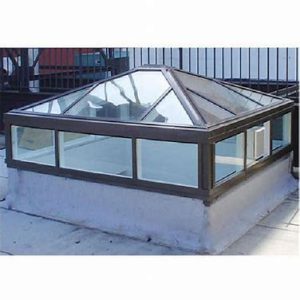
The latest price of Skylight in the market ,In the realm of home improvement and architectural design, skylights have emerged as a popular choice for enhancing both aesthetics and functionality. These innovative architectural elements not only flood interior spaces with natural light but also add a touch of elegance and spaciousness to any room. However, like any construction or renovation project, understanding the current market prices of skylights is crucial for informed decision-making. In this article, we’ll delve into the latest prices of skylights in the market, considering various factors that influence their cost.
Factors Influencing Skylight Prices:
Before delving into specific price ranges, it’s essential to understand the factors that contribute to the cost of skylights:
- Material: Skylights are available in various materials, including glass, acrylic, and polycarbonate. Each material has its own set of characteristics, with glass typically being more expensive due to its durability and clarity.
- Size and Shape: The size and shape of the skylight significantly impact its price. Larger skylights or those with custom shapes will generally cost more than standard-sized options.
- Installation Complexity: The complexity of installation, such as roof type, accessibility, and required structural modifications, can influence the overall cost of skylight installation.
- Additional Features: Skylights may come with additional features such as motorized blinds, ventilation systems, or energy-efficient glazing, all of which can add to the overall cost.
- Brand and Quality: Like any product, skylights from well-known brands or those with advanced features may come at a premium price compared to generic or basic options.
Current Market Prices:
The prices of skylights can vary widely depending on the factors mentioned above. Here’s a general overview of the current market prices based on different types and materials:
- Fixed Skylights:
- Basic fixed skylights made of acrylic or polycarbonate can range from $150 to $500, depending on size.
- Glass fixed skylights typically start from $300 and can go up to $1,500 or more for larger sizes and high-quality materials.
- Ventilated Skylights:
- Manual vented skylights generally range from $300 to $1,000, excluding installation costs.
- Motorized or remote-controlled ventilated skylights may start from $600 and can exceed $2,000, depending on features and brand.
- Tubular Skylights:
- Tubular skylights, which are smaller in size and ideal for spaces like bathrooms or hallways, can cost between $200 and $600, excluding installation.
- Custom or Specialty Skylights:
- Custom-designed skylights tailored to specific architectural requirements or unique shapes can vary significantly in price, ranging from $1,000 to $10,000 or more.
Installation Costs:
It’s important to note that the prices mentioned above typically exclude installation costs. Installation expenses can vary based on factors such as roof complexity, location, labor rates, and any additional structural work required. On average, installation costs for skylights can range from $500 to $2,500 or more.
Care and Maintenance:
After investing in skylights, proper care and maintenance are essential to ensure their longevity and optimal performance. Regular cleaning of both the interior and exterior surfaces can prevent dirt and debris buildup, which may affect light transmission and clarity. Additionally, inspecting the seals and flashing around the skylight periodically can help identify any potential leaks or damage that may require repairs.
Energy Efficiency Considerations:
In recent years, energy efficiency has become a significant consideration for homeowners and builders alike. Energy-efficient skylights, equipped with features such as low-emissivity coatings and insulated frames, can help reduce heat loss in winter and minimize heat gain in summer, thereby lowering heating and cooling costs. While energy-efficient skylights may come at a slightly higher initial cost, the long-term savings in energy bills can outweigh the upfront investment.
Choosing the Right Skylight for Your Needs:
When selecting skylights for your home or project, it’s crucial to consider your specific requirements and preferences. Factors such as the orientation of the roof, the intended purpose of the skylight (e.g., providing natural light, ventilation, or both), and your budget will influence the type, size, and features of the skylight that best suit your needs.
Consulting with a reputable skylight supplier or contractor can provide valuable guidance and assistance in choosing the right skylight for your space. They can help assess your requirements, recommend suitable options, and provide accurate cost estimates for both the skylights and installation.
Exploring Trends and Innovations in Skylight Design:
In addition to understanding the current market prices and practical considerations, it’s worth exploring the latest trends and innovations in skylight design. As technology advances and architectural trends evolve, manufacturers are continually introducing new features and designs to meet the changing needs and preferences of consumers.
- Smart Skylights: With the rise of home automation and smart technology, smart skylights equipped with sensors, remote controls, and connectivity features are gaining popularity. These intelligent skylights allow homeowners to adjust lighting levels, control ventilation, and even monitor environmental conditions remotely using smartphones or other smart devices.
- Solar-Powered Skylights: Solar-powered skylights harness the sun’s energy to operate motorized blinds, ventilation systems, and other features, reducing the need for grid-supplied electricity and offering greater energy independence. Additionally, some solar-powered skylights are eligible for tax incentives and rebates, further enhancing their appeal to environmentally conscious consumers.
- Frameless Skylights: Frameless skylights offer a sleek and minimalist aesthetic, seamlessly integrating with modern architectural styles and interior designs. By eliminating visible frames and supports, these skylights maximize the uninterrupted flow of natural light while creating a sense of openness and spaciousness in the space below.
- Dynamic Glazing: Dynamic glazing technology enables skylights to adjust their tint or opacity in response to changing light conditions, glare, and heat gain. This adaptive feature enhances comfort, reduces the need for blinds or shades, and optimizes energy efficiency by controlling solar heat gain and glare without sacrificing natural light.
- Customized Designs: As architectural preferences become more diverse and personalized, custom-designed skylights are becoming increasingly popular. From unique shapes and sizes to custom finishes and patterns, manufacturers offer bespoke solutions to match the specific aesthetic and functional requirements of each project.
Conclusion:
The market for skylights continues to evolve, driven by advancements in technology, changing consumer preferences, and a growing emphasis on sustainability and energy efficiency. By staying informed about the latest trends, innovations, and pricing dynamics, homeowners and builders can make well-informed decisions and leverage the benefits of skylights to enhance the beauty, comfort, and efficiency of their living spaces.
Whether you opt for a traditional fixed skylight, invest in a state-of-the-art smart skylight, or choose a custom-designed solution tailored to your unique needs, skylights offer a versatile and stylish way to bring the beauty of natural light into your home or building. With careful consideration of factors such as material, size, features, and installation costs, you can find the perfect skylight solution to illuminate and elevate your living environment for years to come.

Leave A Comment