
Sale of building facade materials show performance
Introduction:
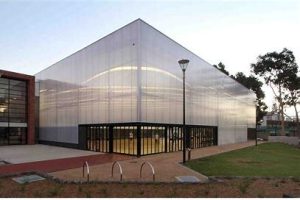
Sale of building facade materials show performance ,The architectural landscape is continuously evolving, with building facades serving as the forefront of innovation and design. The sale of building facade materials is not merely a transactional exchange; it’s a showcase of performance, where manufacturers and designers converge to exhibit the latest advancements in aesthetics, sustainability, and functionality. These sales events serve as crucial platforms for industry professionals to explore the capabilities and potential applications of various facade materials.
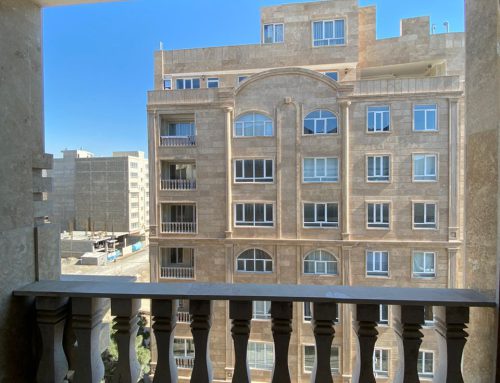
Aesthetic Appeal: One of the primary aspects highlighted at sales events is the aesthetic appeal of facade materials. Manufacturers often present an array of textures, colors, and finishes to cater to diverse design preferences. Whether it’s sleek metallic panels, rustic stone veneers, or innovative composite materials, the emphasis is on enhancing the visual appeal of buildings while reflecting the architectural vision of designers and builders. Attendees can explore mock-ups, samples, and demonstrations to envision how these materials can elevate the appearance of their projects.
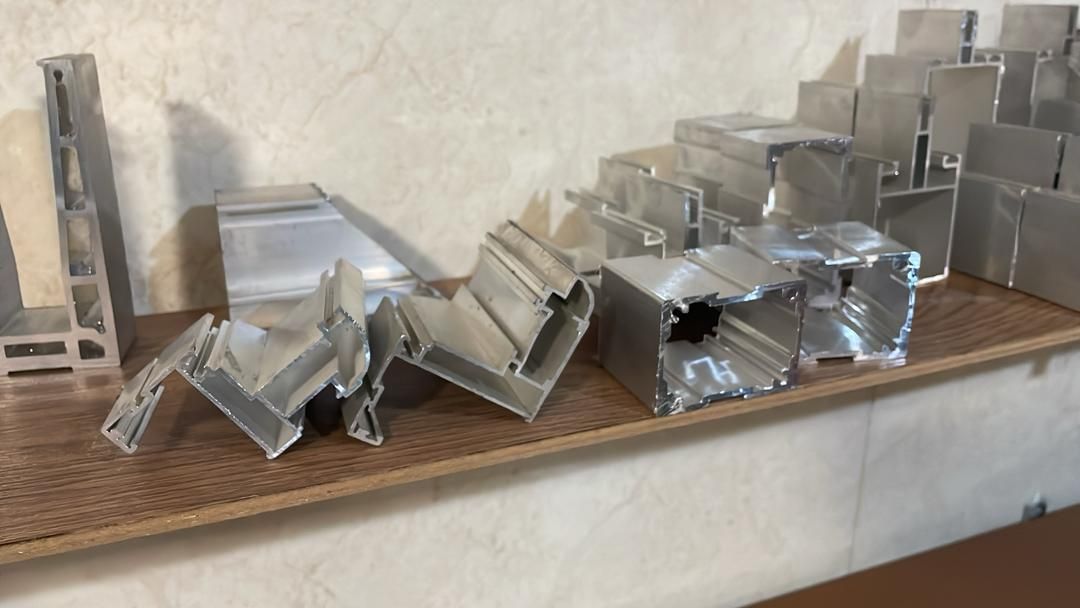
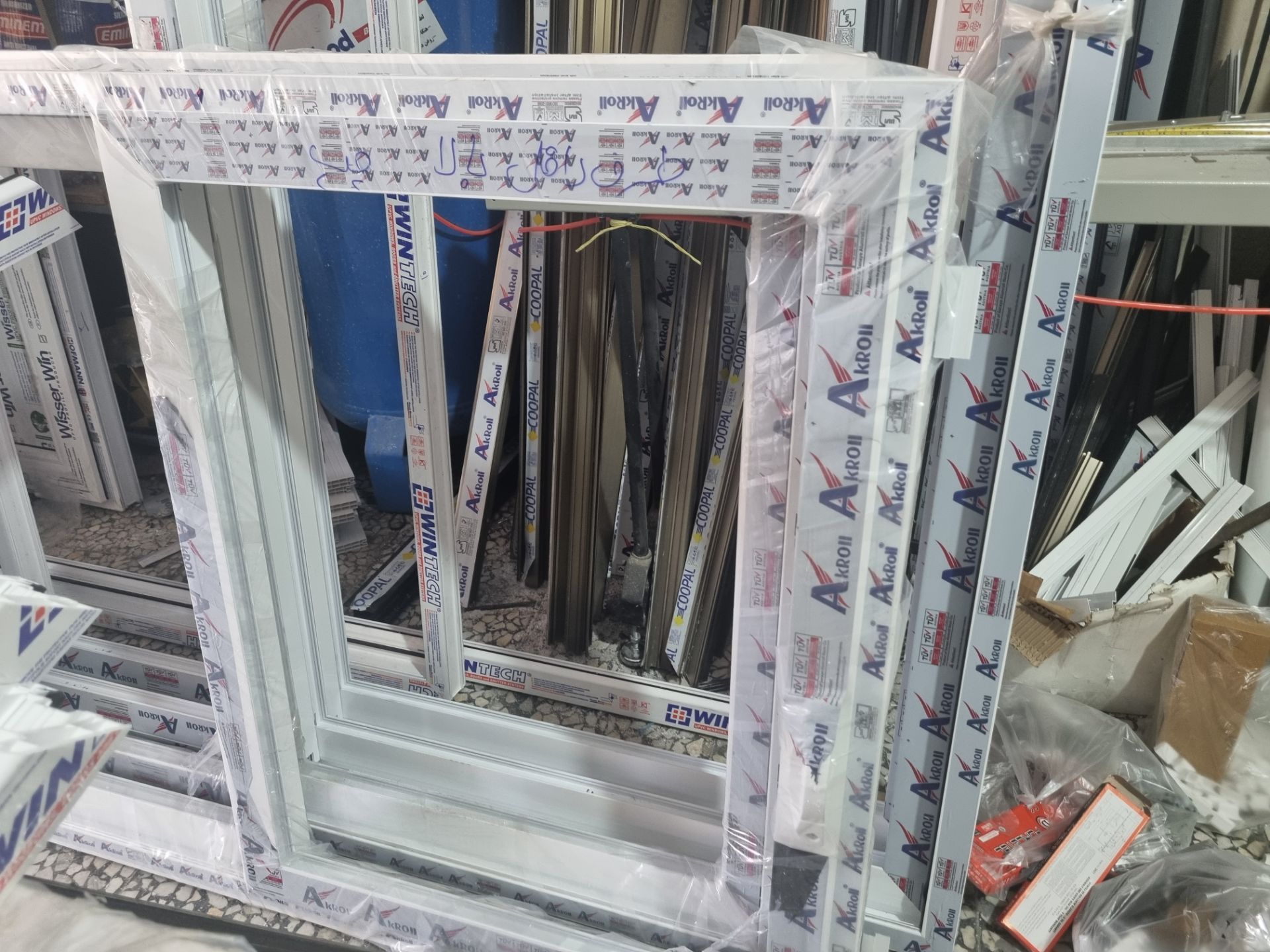
Performance and Durability: Beyond aesthetics, the performance and durability of facade materials are critical considerations for architects, contractors, and developers. Sales events provide an opportunity to evaluate the durability of materials in various climatic conditions, their resistance to weathering, and their maintenance requirements. Manufacturers often conduct demonstrations or provide technical specifications to showcase the strength, longevity, and resilience of their products. From high-performance glass to robust metal cladding systems, the focus is on ensuring that facade materials meet the stringent demands of modern construction projects.
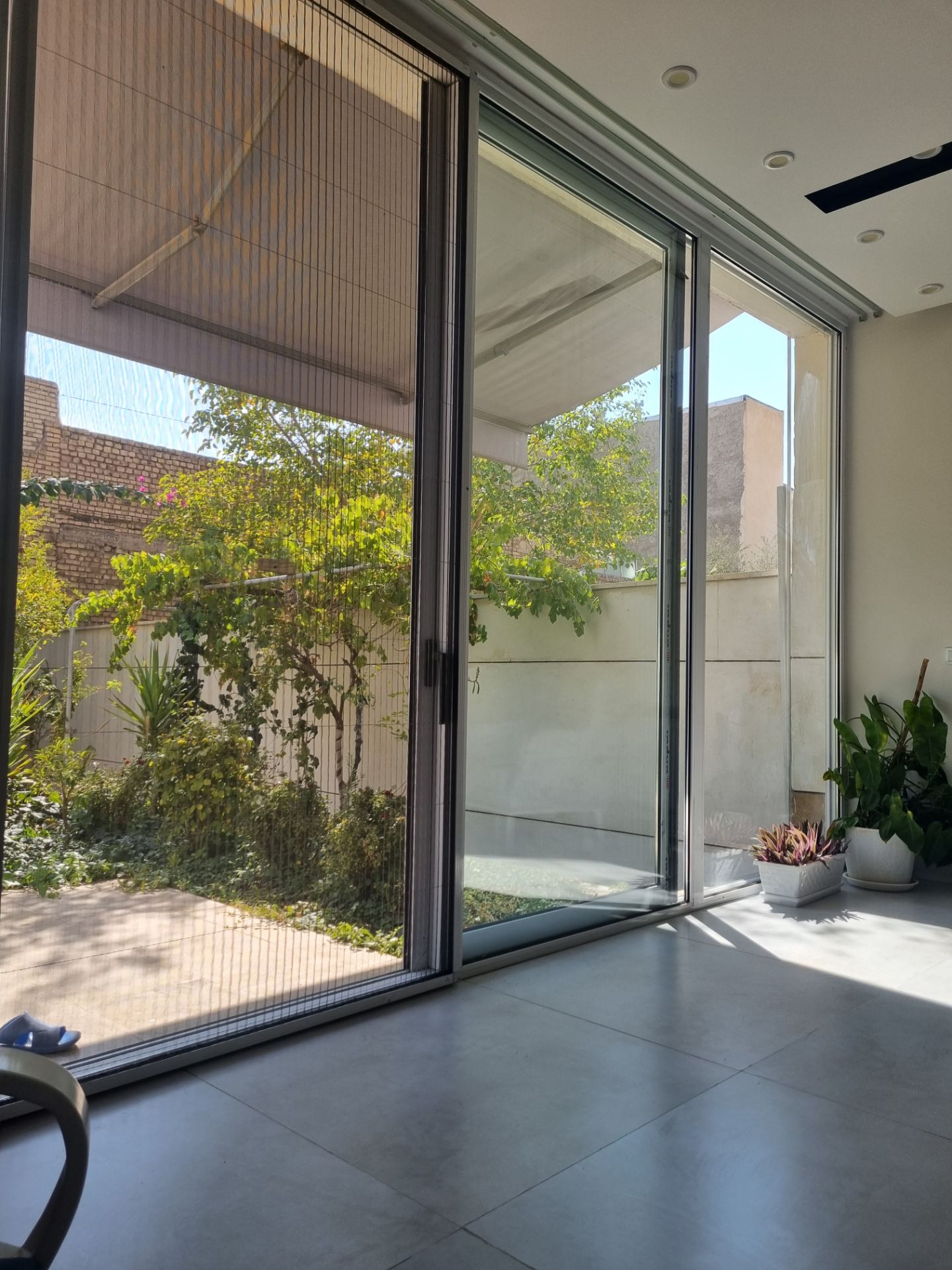
Energy Efficiency and Sustainability: In an era of increasing environmental awareness, energy efficiency and sustainability have become paramount in building design. Facade materials play a pivotal role in enhancing a building’s energy performance and reducing its carbon footprint. Sales events feature innovative solutions such as insulated panels, photovoltaic glass, and green facades that optimize thermal insulation, harness renewable energy, and promote biodiversity. Attendees can learn about the sustainable attributes of different materials, including their recyclability, low embodied carbon, and contributions to green building certifications.
Technological Innovations: Advancements in technology have revolutionized the design and fabrication of building facade materials. Sales events serve as showcases for cutting-edge technologies such as parametric design software, digital fabrication techniques, and advanced manufacturing processes. Attendees can explore how these technologies enable intricate geometries, customized patterns, and seamless integration of building systems. Additionally, augmented reality and virtual reality tools allow designers to visualize and simulate the performance of facade materials in virtual environments, facilitating informed decision-making and collaboration.
Collaboration and Networking: Sales events bring together a diverse range of stakeholders, including architects, engineers, contractors, developers, and manufacturers, fostering collaboration and networking opportunities. Attendees can engage in discussions, attend seminars, and participate in workshops to exchange knowledge, share best practices, and forge partnerships. These interactions not only promote the exchange of ideas but also drive innovation and foster a sense of community within the industry.
Market Trends and Future Outlook: In addition to showcasing existing products and technologies, sales events often serve as barometers for market trends and future developments in the building facade industry. Manufacturers use these platforms to unveil prototypes, preview upcoming product lines, and gauge the response of industry professionals to new innovations. Attendees can gain insights into emerging design trends, material preferences, and technological advancements that are shaping the future of facade design and construction.
One prominent trend in recent years is the integration of smart technologies into building facades, enabling functionalities such as dynamic shading, adaptive lighting, and responsive climate control. These smart facades not only enhance occupant comfort and energy efficiency but also contribute to the overall intelligence and connectivity of buildings within the broader context of smart cities.
Another notable trend is the increasing emphasis on biophilic design principles, which seek to incorporate elements of nature into the built environment. Sales events often feature facade materials that mimic natural textures, patterns, and colors, as well as systems that support the growth of vegetation and promote biodiversity. These biophilic facades not only create visually appealing environments but also contribute to human well-being by reconnecting occupants with nature.
Looking ahead, the future of building facade materials is likely to be shaped by ongoing advancements in materials science, digital design tools, and sustainable manufacturing practices. Innovations such as self-healing materials, biomimetic designs, and carbon-negative products hold the promise of further enhancing the performance, resilience, and environmental impact of building facades.
Conclusion:
Sales events play a pivotal role in showcasing the performance, innovation, and collaborative spirit of the building facade industry. By bringing together manufacturers, designers, contractors, and other stakeholders, these events facilitate the exchange of knowledge, ideas, and best practices that drive the evolution of facade design and construction. As the demand for high-performance, sustainable, and aesthetically pleasing facades continues to grow, sales events will remain vital platforms for exploring the latest trends, technologies, and solutions that shape the future of our built environment.

Leave A Comment