Sale of materials and implementation of building facades in Indonesia
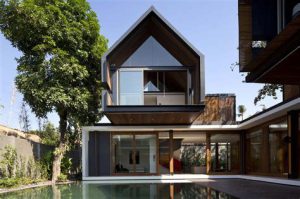
Sale of materials and implementation of building facades in Indonesia ,In the dynamic landscape of Indonesian architecture, building facades stand as the forefront of innovation, reflecting both cultural heritage and modern advancements. As the country continues to undergo rapid urbanization and development, the demand for high-quality materials and cutting-edge design solutions for building exteriors has surged. This trend has sparked a thriving industry dedicated to the sale of materials and the implementation of building facades, reshaping skylines and enhancing urban aesthetics across the archipelago.
Rising Demand for Quality Materials
Indonesia’s burgeoning economy and population growth have propelled the construction sector to the forefront of the nation’s development agenda. With urbanization accelerating and infrastructure projects multiplying, there is an increasing emphasis on constructing buildings that not only withstand the test of time but also exude architectural excellence.
One of the critical components of any building is its facade—the outer shell that defines its visual identity and interacts with its surroundings. In response to the growing demand for aesthetically pleasing, energy-efficient, and durable facades, the market for high-quality building materials has witnessed a significant upsurge.
Diverse Materials and Innovative Solutions
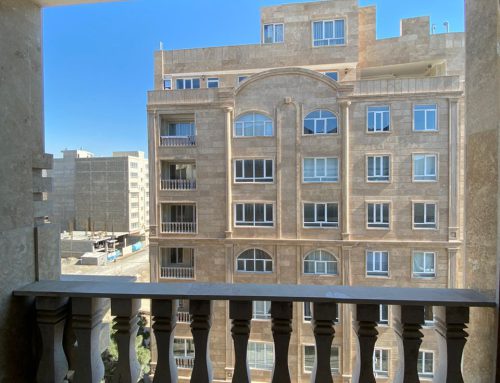
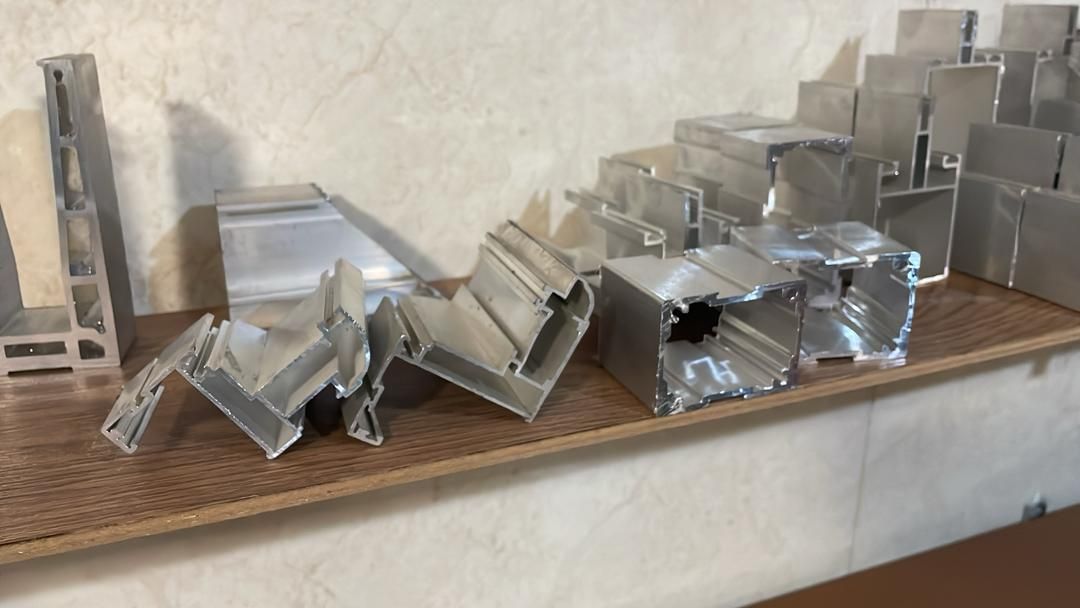
The sale of materials for building facades in Indonesia encompasses a wide array of options, ranging from traditional materials like brick and stone to modern innovations such as glass, metal panels, and composite materials. Each material offers unique properties and aesthetic appeal, allowing architects and developers to create visually stunning and functional facades that complement the overall design of the building.
Moreover, the implementation of building facades involves a meticulous process that requires collaboration between architects, engineers, contractors, and material suppliers. Advanced technologies such as Building Information Modeling (BIM) and Computer-Aided Design (CAD) are increasingly employed to streamline the design and construction phases, ensuring precision and efficiency in facade installation.
Sustainability and Energy Efficiency
In recent years, there has been a growing emphasis on sustainability and energy efficiency in building design, driven by environmental concerns and regulatory requirements. Building facades play a crucial role in achieving these goals by incorporating features such as green roofs, solar panels, and high-performance insulation materials.
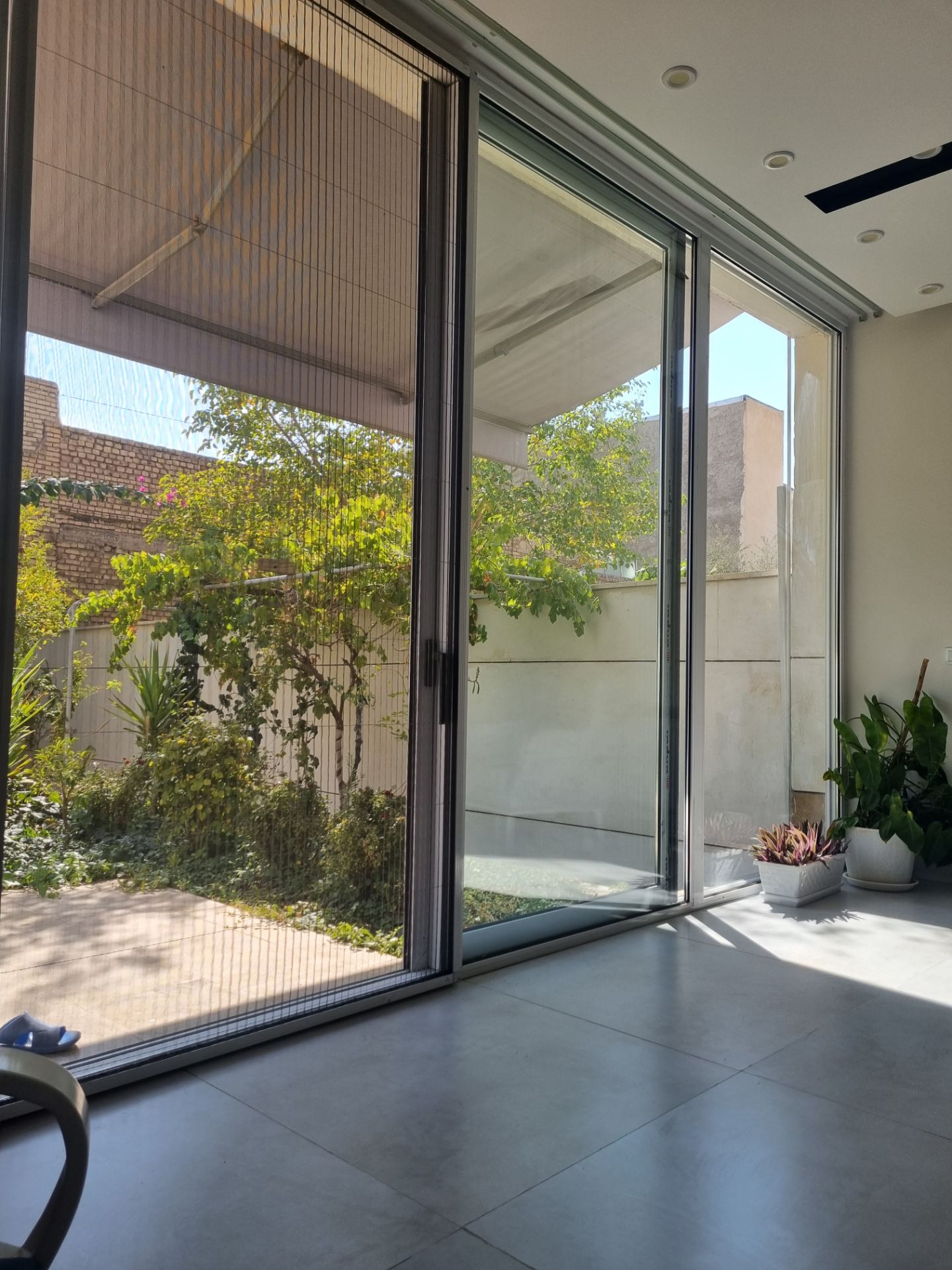
The sale of sustainable building materials, including recycled glass, timber, and eco-friendly composites, has gained traction among developers seeking to minimize the environmental footprint of their projects. Additionally, the implementation of energy-efficient facade systems, such as double-glazed windows and sun shading devices, helps reduce reliance on artificial heating and cooling, resulting in lower energy consumption and operational costs over the building’s lifespan.
Challenges and Opportunities
While the market for building facades in Indonesia presents immense opportunities for growth and innovation, it also faces several challenges. These include the need for skilled labor, regulatory compliance, and fluctuating market dynamics. Furthermore, the COVID-19 pandemic has disrupted supply chains and construction activities, posing additional hurdles for the industry to overcome.
However, amidst these challenges lie opportunities for collaboration, technology adoption, and market expansion. Industry players can leverage digital platforms to connect with suppliers and clients, explore sustainable solutions, and enhance project management practices. Moreover, government initiatives aimed at promoting sustainable development and infrastructure investment create a conducive environment for the growth of the facade industry.
Moving forward, the trajectory of the building facade industry in Indonesia hinges on continued innovation and collaboration among all stakeholders. Architects, engineers, material suppliers, and policymakers must work hand in hand to address emerging challenges and seize opportunities for growth.
One area ripe for innovation is the integration of smart technologies into building facades. From dynamic shading systems that adjust to changing weather conditions to facades embedded with sensors for monitoring air quality and energy usage, smart facades hold immense potential for enhancing both functionality and sustainability.
Furthermore, collaboration across disciplines and sectors can lead to breakthroughs in design approaches and material development. By fostering partnerships between academia, industry, and government, research and development efforts can be accelerated, leading to the creation of novel facade solutions that push the boundaries of architectural expression and performance.
Empowering Local Expertise
While the Indonesian facade industry benefits from access to global expertise and technologies, there is also a need to empower local talent and promote indigenous architectural traditions. By nurturing a pool of skilled professionals and artisans, Indonesia can showcase its rich cultural heritage through innovative facade designs that resonate with local communities and global audiences alike.
Additionally, investing in vocational training programs and apprenticeships can help address the shortage of skilled labor in the construction sector, ensuring that future generations are equipped with the knowledge and expertise needed to excel in facade implementation.
Sustainable Urban Development
As Indonesia grapples with the challenges of rapid urbanization and climate change, the role of building facades in promoting sustainable urban development cannot be overstated. Beyond individual buildings, facades contribute to the overall urban fabric, shaping the microclimate, enhancing biodiversity, and fostering social interaction.
By incorporating green infrastructure elements such as vertical gardens, permeable surfaces, and bird-friendly designs, facades can mitigate the urban heat island effect, reduce stormwater runoff, and provide habitats for native flora and fauna. Moreover, community engagement initiatives that involve local residents in the design and maintenance of public facades can foster a sense of ownership and pride in shared urban spaces.
Embracing Cultural Identity and Diversity
In the vibrant tapestry of Indonesia’s architectural landscape, building facades serve as canvases for cultural expression and celebration of diversity. From the ornate carvings of traditional Javanese joglo houses to the sleek lines of contemporary skyscrapers in Jakarta, each facade tells a story of heritage, identity, and place.
Preserving and promoting indigenous architectural styles and craftsmanship is essential for safeguarding cultural heritage and fostering a sense of belonging among communities. By incorporating elements inspired by local traditions and materials sourced from sustainable sources, architects can create facades that resonate with the cultural identity of their surroundings.
Furthermore, the inclusion of vernacular design principles such as natural ventilation, shading devices, and passive cooling techniques not only pays homage to the wisdom of generations past but also contributes to the overall sustainability and resilience of the built environment.
Adapting to Changing Needs and Trends
As societal needs and architectural trends evolve, the facade industry must adapt to meet new challenges and opportunities. The rise of mixed-use developments, for example, requires facades that seamlessly integrate residential, commercial, and recreational spaces while maintaining aesthetic coherence and functional efficiency.
Similarly, the growing focus on wellness and biophilic design underscores the importance of incorporating natural elements into building facades, such as green walls, daylighting strategies, and views to nature. These features not only enhance occupant well-being and productivity but also contribute to the overall attractiveness and marketability of the building.
Moreover, emerging technologies such as 3D printing, robotic fabrication, and advanced materials hold the promise of revolutionizing the way facades are designed, fabricated, and installed. By embracing innovation and experimentation, the facade industry can stay at the forefront of architectural discourse and drive forward the boundaries of what is possible in building design.
A Sustainable and Resilient Future
Looking ahead, sustainability and resilience will remain central tenets of the facade industry as it navigates the complexities of a rapidly changing world. Climate change, urbanization, and resource scarcity pose existential threats to the built environment, necessitating bold action and forward-thinking solutions.
By prioritizing sustainable materials, energy-efficient design strategies, and climate-responsive facades, Indonesia can chart a course towards a more sustainable and resilient future. Green building certifications such as LEED (Leadership in Energy and Environmental Design) and EDGE (Excellence in Design for Greater Efficiencies) provide frameworks for evaluating and benchmarking the environmental performance of building facades, driving market demand for sustainable solutions.
Furthermore, fostering resilience in building facades involves anticipating and mitigating the impacts of natural disasters such as earthquakes, floods, and typhoons. Through innovative structural systems, redundant safety measures, and community-based disaster preparedness initiatives, Indonesia can build back better and ensure that its facades withstand the test of time and nature.
In Conclusion
In conclusion, the sale of materials and implementation of building facades in Indonesia represent a dynamic and multifaceted industry that lies at the intersection of art, technology, and sustainability. As the country continues its journey towards urbanization and development, the facade industry stands poised to play a pivotal role in shaping the built environment for generations to come.
By embracing cultural diversity, fostering innovation, and prioritizing sustainability, Indonesia can create facades that not only enhance the visual appeal of its cities but also contribute to the well-being of its people and the planet. As architects, developers, and policymakers come together to address the challenges and opportunities of the future, the facade industry holds the promise of transforming Indonesia’s urban landscapes into vibrant, resilient, and inclusive spaces that inspire awe and admiration.


Leave A Comment