
The price of the skylight curtain wall structure and roof
Introduction:
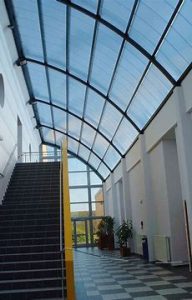
Skylight curtain wall structures and roofs are architectural marvels that not only enhance the aesthetic appeal of a building but also offer functional benefits such as increased natural light, improved energy efficiency, and a sense of openness. However, the installation and maintenance of these features come at a price. In this article, we delve into the factors that influence the cost of skylight curtain wall structures and roofs, providing insights for architects, developers, and building owners.
Design Complexity: One of the primary factors impacting the cost of skylight curtain wall structures and roofs is the complexity of their design. Intricate designs with custom shapes, angles, and sizes often require specialized engineering and fabrication, driving up the overall cost. Conversely, simpler designs with standard dimensions may be more cost-effective to install.
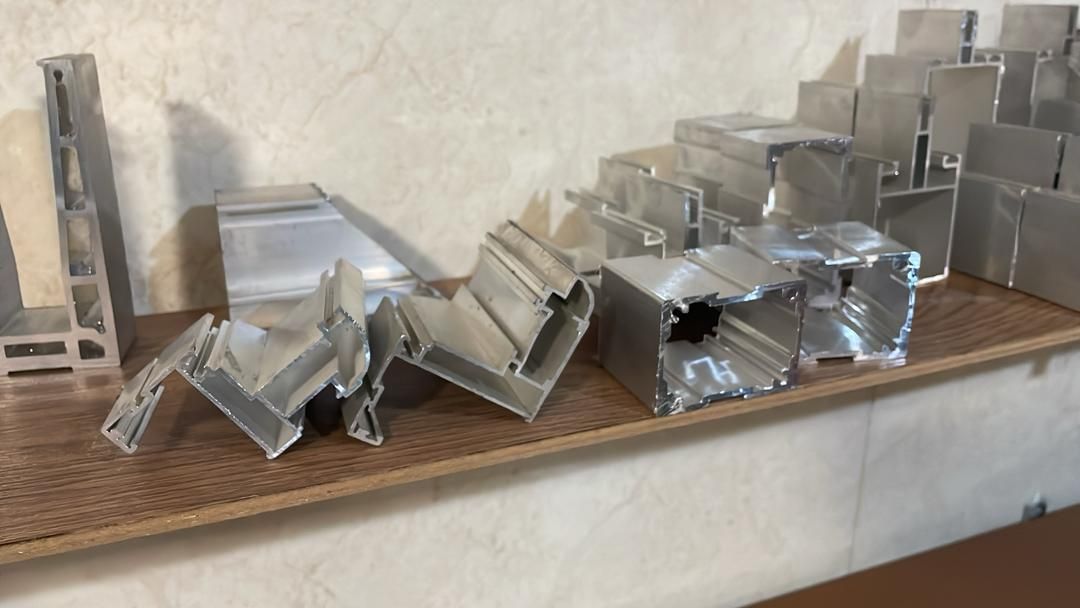
Material Selection: The choice of materials significantly influences the cost of skylight curtain wall structures and roofs. Common materials include glass, aluminum, steel, and polycarbonate. While glass offers transparency and aesthetic appeal, it tends to be more expensive than other materials. Aluminum frames are lightweight and durable, making them a popular choice, but they can also contribute to higher costs, especially for custom finishes or coatings. Polycarbonate is a cost-effective alternative to glass, offering good insulation properties and impact resistance at a lower price point.
Size and Scale: The size and scale of the skylight curtain wall structure or roof directly impact the overall cost of the project. Larger installations require more materials, labor, and structural support, leading to higher expenses. Additionally, larger skylights may necessitate specialized equipment for installation, further adding to the total cost.
Labor and Installation: Skylight curtain wall structures and roofs require skilled labor for installation, which contributes to the overall cost. Complex designs or installations at height may require additional labor hours and specialized expertise, increasing project expenses. Moreover, factors such as access to the installation site and site-specific challenges can also influence labor costs.
Structural Engineering and Support: Ensuring the structural integrity of skylight curtain wall structures and roofs is paramount for safety and longevity. Structural engineering assessments and calculations are necessary to determine load-bearing capacities, wind resistance, and other structural considerations. Reinforcements such as steel supports or trusses may be required, adding to the overall cost of the project.
Energy Efficiency and Insulation: While skylights offer the benefit of natural light, they can also contribute to heat gain or loss, impacting energy efficiency. High-performance glazing options with low-E coatings or insulated glass units help mitigate energy transfer, but they come at a higher cost compared to standard glazing. Additionally, integrated shading systems or motorized blinds can enhance energy efficiency but add to the upfront cost of the installation.
Maintenance and Lifecycle Costs: Beyond the initial installation cost, it’s essential to consider ongoing maintenance and lifecycle expenses associated with skylight curtain wall structures and roofs. Regular cleaning, inspection, and repair are necessary to ensure optimal performance and longevity. Factoring in these maintenance costs can help determine the total cost of ownership over the lifespan of the installation.
Innovations in skylight technology continue to evolve, offering opportunities to optimize cost-efficiency without compromising performance. For instance, advancements in glass manufacturing have led to the development of lightweight yet durable glazing options that maintain transparency while reducing material costs. Similarly, prefabricated modular systems streamline the installation process, minimizing labor expenses and construction time.
Furthermore, the integration of smart technologies such as sensors, actuators, and automated shading systems can enhance the functionality and energy efficiency of skylight curtain wall structures and roofs. By automatically adjusting shading or ventilation based on environmental conditions, these systems not only improve comfort but also contribute to long-term energy savings, offsetting initial investment costs.
It’s also worth noting the broader impact of skylight curtain wall structures and roofs on building occupants. Studies have shown that access to natural light can boost productivity, mood, and overall well-being, making skylights a worthwhile investment in both residential and commercial settings. Additionally, the aesthetic appeal of these features can enhance the architectural character of a building, adding value and distinction to the property.
In conclusion
while the cost of skylight curtain wall structures and roofs may initially seem daunting, careful consideration of design, materials, labor, maintenance, and technological advancements can result in a cost-effective solution that delivers long-term benefits. Collaborating with experienced architects, engineers, and contractors can help navigate the complexities of skylight installations and ensure optimal outcomes that balance aesthetics, performance, and affordability. Ultimately, investing in quality skylight features can transform spaces, improve comfort, and contribute to sustainable building practices for years to come, The price of the skylight curtain wall structure and roof , The price of the skylight curtain wall structure and roof.

Leave A Comment