
The difference between extruded and die casting aluminum profiles
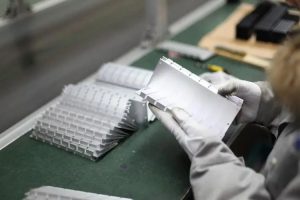
Introduction
Aluminum is a versatile material used in countless applications due to its lightweight, durable, and corrosion-resistant properties. Two popular methods for shaping aluminum into specific forms are extrusion and die casting. Each process offers unique advantages and is suited for different applications. In this article, we’ll delve into the differences between extruded and die casting aluminum profiles, shedding light on the distinctive characteristics, applications, and benefits of each.
Extruded Aluminum Profiles
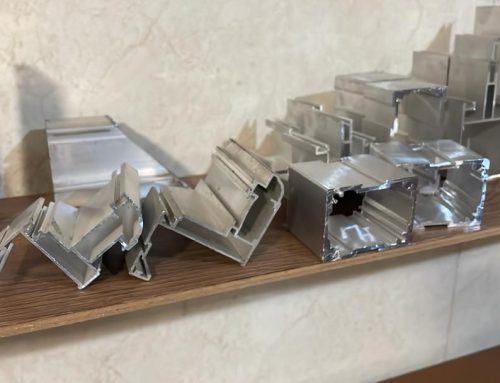
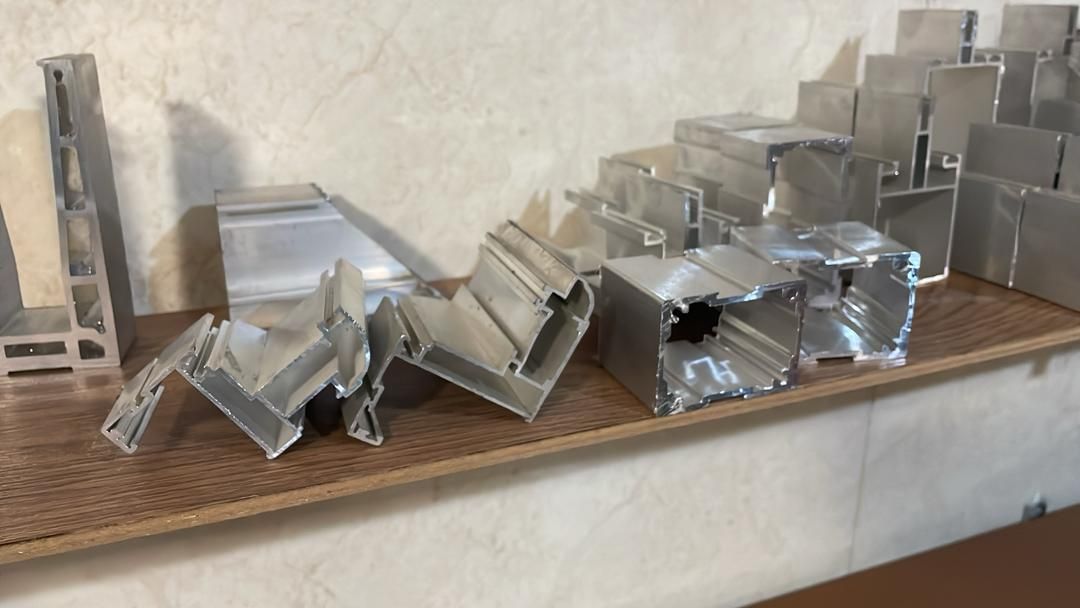
Extrusion is a manufacturing process that involves forcing aluminum through a shaped die to create profiles of various shapes and sizes. Extruded aluminum profiles are popular for their versatility and are used in a wide range of industries. Here are some key characteristics and benefits of extruded aluminum profiles:
- Versatility: Extrusion allows for complex shapes and designs, making it an ideal choice for customized solutions. It is well-suited for applications where unique cross-sectional profiles are required.
- Cost-Effective: The extrusion process is cost-effective for producing long, continuous pieces with uniform cross-sections. This makes it ideal for applications like architectural components and window frames.
- Precision: Extruded profiles exhibit excellent dimensional accuracy and consistency, ensuring that the end product meets exact specifications.
- Short Lead Times: Extrusion is a fast and efficient process, which means shorter lead times for manufacturing and delivery.
- Post-Extrusion Processing: Extruded profiles can undergo secondary processes such as cutting, drilling, and finishing to meet specific requirements.
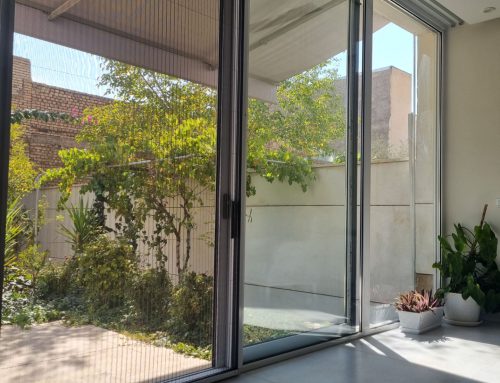
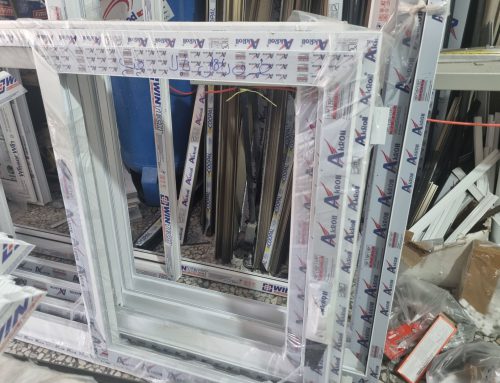
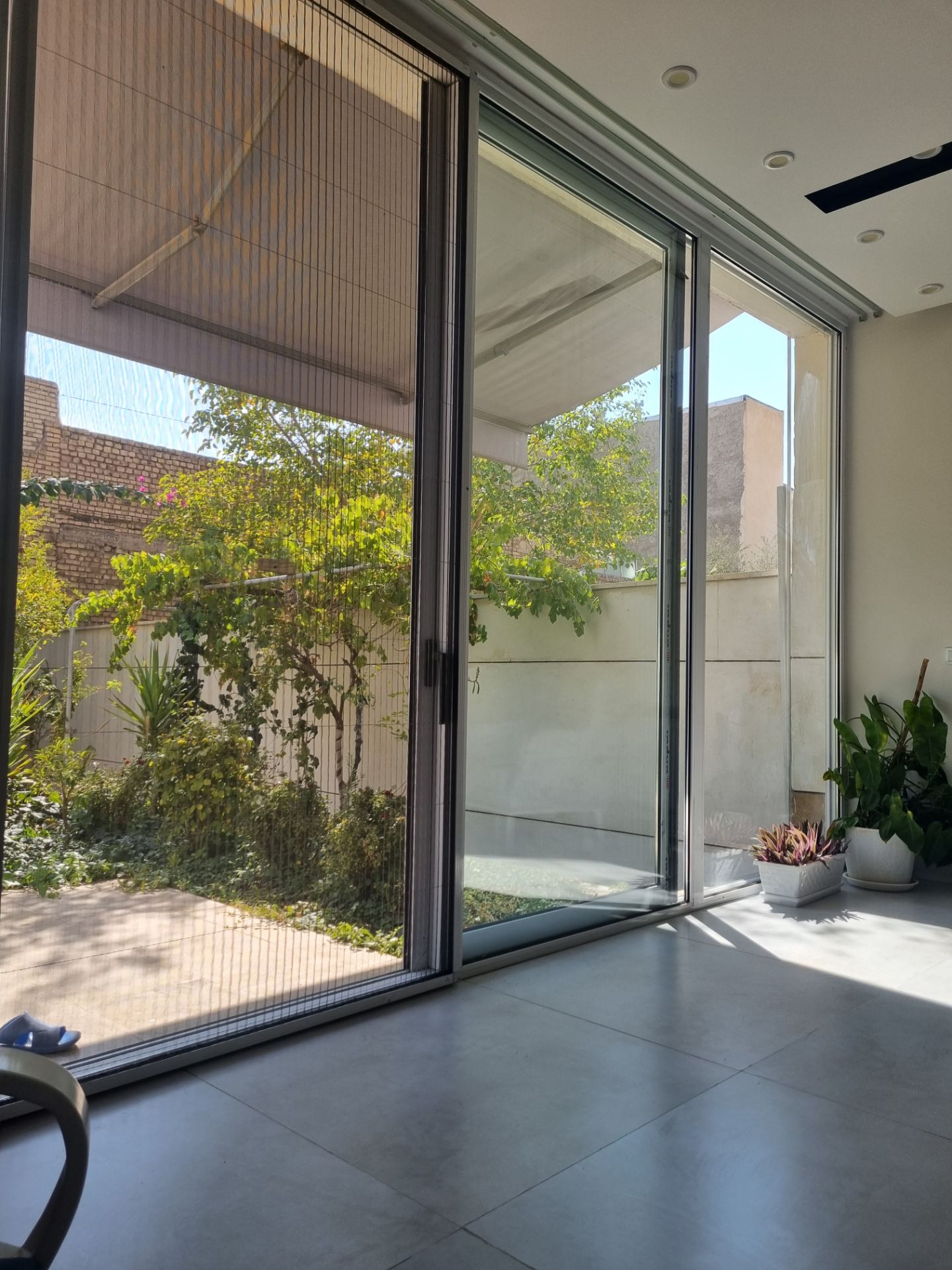
Common applications of extruded aluminum profiles include window and door frames, automotive components, structural components in construction, and various consumer goods.
Die Casting Aluminum Profiles
Die casting is a manufacturing process that involves forcing molten aluminum into a mold (die) under high pressure to create intricate, precise parts. Die casting aluminum profiles have their own distinct advantages and applications:
- High Precision: Die casting offers superior dimensional accuracy, making it ideal for components with intricate geometries and tight tolerances.
- Thin-Wall Sections: Die casting can produce thin-walled sections with minimal post-processing, which is beneficial for lightweight and aesthetically pleasing components.
- High Production Rates: Die casting is a highly efficient process, making it suitable for large-scale production runs of identical parts.
- Strong and Durable: Die-cast aluminum profiles exhibit high strength and durability, making them suitable for structural and load-bearing applications.
- Surface Finish: Die casting can produce parts with excellent surface finishes, often requiring minimal additional finishing.
Common applications of die-cast aluminum profiles include automotive components, electronic enclosures, industrial machinery, and aerospace parts.
Choosing the Right Process
The choice between extruded and die casting aluminum profiles depends on the specific requirements of the project. Here are some factors to consider:
- Complexity: If the design requires intricate cross-sectional profiles or thin-walled sections, die casting may be the better choice.
- Volume: For high-volume production, die casting is more efficient, whereas extrusion is ideal for smaller production runs or custom shapes.
- Tolerances: Consider the required dimensional tolerances, as die casting offers higher precision.
- Finish: If a high-quality surface finish is essential, die casting may be preferred.
- Budget: Extrusion is generally more cost-effective for shorter production runs, while die casting becomes more economical for larger volumes.
Here are a few key takeaways to consider when choosing between extrusion and die casting:
- Complexity and Precision: Extrusion is ideal for projects with complex cross-sectional profiles or where customization is required. If you need high precision and tight tolerances, die casting is the way to go.
- Volume and Efficiency: For smaller production runs or unique shapes, extrusion can be cost-effective and efficient. On the other hand, die casting shines when producing components in large quantities due to its high production rates.
- Strength and Durability: If the final product requires exceptional strength and durability, die casting profiles tend to be the better choice.
- Surface Finish: Die casting often provides superior surface finishes with minimal additional finishing required.
- Budget Constraints: Budget considerations are crucial. Extrusion may be more cost-effective for smaller production runs, whereas die casting becomes cost-effective for larger volumes.
The Future of Aluminum Profile Manufacturing
The manufacturing industry, including aluminum profile production, is continually evolving to meet the ever-growing demands for innovation and sustainability. While extrusion and die casting are well-established processes, ongoing research and development are pushing the boundaries of what is possible.
- Sustainability: Sustainability is becoming a paramount consideration in manufacturing. Both extrusion and die casting can incorporate recycled aluminum, reducing the environmental footprint of production. The industry is also exploring more eco-friendly methods and materials to align with global sustainability goals.
- Hybrid Methods: As mentioned earlier, combining extrusion and die casting or other manufacturing methods can create new possibilities. These hybrid approaches may become more prevalent to achieve the desired attributes of a product.
- Advanced Materials: Advancements in alloy development are expanding the range of properties attainable through both extrusion and die casting. High-strength and lightweight aluminum alloys are being developed to cater to various industries, including automotive and aerospace.
- Improved Energy Efficiency: Both extrusion and die casting are energy-intensive processes. The industry is investing in energy-efficient technologies to reduce consumption, lower costs, and lessen the environmental impact.
- Digital Design and Simulation: Cutting-edge computer-aided design and simulation tools are being used to optimize the manufacturing process. This helps in minimizing waste and achieving higher precision.
- Customization: The demand for customized solutions is growing. Manufacturers are investing in tools and technologies that allow for greater customization and quicker turnaround times.
In conclusion, the differences between extruded and die casting aluminum profiles are significant, but they offer complementary solutions for various applications. As manufacturing techniques continue to evolve, engineers and designers have more options at their disposal to create components and products that meet their specific needs. The key is to stay informed about the latest advancements in the field and to carefully consider the unique requirements of each project to make an informed decision.
Whether you are working on an architectural project, automotive component design, or any other application, understanding the nuances of extrusion and die casting is essential to select the best process that aligns with your goals, budget, and sustainability considerations. The future of aluminum profile manufacturing is bright, offering endless possibilities for innovation and efficiency.



Leave A Comment