
3 Ways To Strengthen Aluminum Alloys
Introduction
3 Ways To Strengthen Aluminum Alloys , Aluminum alloys are versatile materials that find applications in a wide range of industries, from aerospace and automotive to construction and packaging. One of the key challenges when working with aluminum alloys is enhancing their mechanical properties to meet specific requirements. Strengthening aluminum alloys is essential for ensuring they can withstand the stresses and loads imposed on them. In this article, we will explore three common methods to strengthen aluminum alloys.
-
Alloying
Alloying is a fundamental method for enhancing the strength of aluminum alloys. This process involves combining aluminum with other elements to create a composite material with improved mechanical properties. Common alloying elements include copper, magnesium, silicon, zinc, and manganese. The choice of alloying elements and their concentrations can be tailored to achieve specific properties.
- Copper: Aluminum-copper alloys are known for their excellent strength. The addition of copper enhances the precipitation hardening process, leading to improved tensile strength and hardness. An example of such an alloy is 2024 aluminum, which is widely used in aerospace applications.
- Magnesium: Aluminum-magnesium alloys, such as 5083 and 6061, offer good corrosion resistance and excellent weldability, making them suitable for marine and structural applications. Magnesium enhances the strength of the aluminum matrix through solid solution strengthening.
- Silicon: Silicon is commonly added to aluminum to increase its wear resistance, which is beneficial in automotive and engine components. Silicon helps to form hard intermetallic compounds that improve strength.
- Zinc: Zinc is added to aluminum alloys for better castability and strength. One well-known zinc-containing aluminum alloy is 7075, favored for its high strength and fatigue resistance.
-
Heat Treatment
Heat treatment is another crucial method for strengthening aluminum alloys. The process involves controlled heating and cooling cycles to modify the microstructure of the material. Common heat treatment methods include solution heat treatment, precipitation hardening, and annealing.
- Solution Heat Treatment: In this process, the alloy is heated to a specific temperature to dissolve alloying elements and create a homogeneous solution. This is followed by rapid cooling, which locks the alloying elements in a solid solution. The resulting material is softer and more ductile.
- Precipitation Hardening: Also known as age hardening, this method involves reheating the material to a precise temperature to allow the formation of fine precipitates within the aluminum matrix. These precipitates act as barriers to dislocation movement, significantly increasing the material’s strength.
- Annealing: Annealing involves heating the alloy to a specific temperature and then slowly cooling it to relieve internal stresses and improve ductility. This process is particularly useful for alloys that have been cold-worked and need to regain their original properties.
-
Cold Working
Cold working, or cold deformation, is a process in which the aluminum alloy is subjected to plastic deformation at room temperature. This process increases the material’s strength and hardness while reducing its ductility. Cold working methods include rolling, drawing, and extrusion.
- Rolling: Aluminum sheets and foils are often produced through rolling processes, which involve passing the material through a set of rollers to reduce its thickness. This induces strain hardening, making the material stronger and more suitable for applications where increased strength is necessary, such as in the automotive and aerospace industries.
- Drawing: Cold drawing is used to produce aluminum wires and tubes with enhanced mechanical properties. The material is pulled through a die, which reduces its cross-sectional area and increases its length. This process increases strength and improves the mechanical properties of the material.
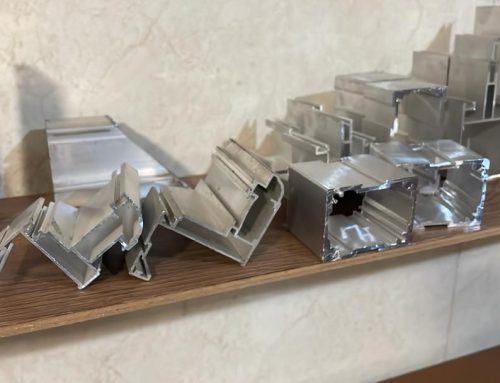
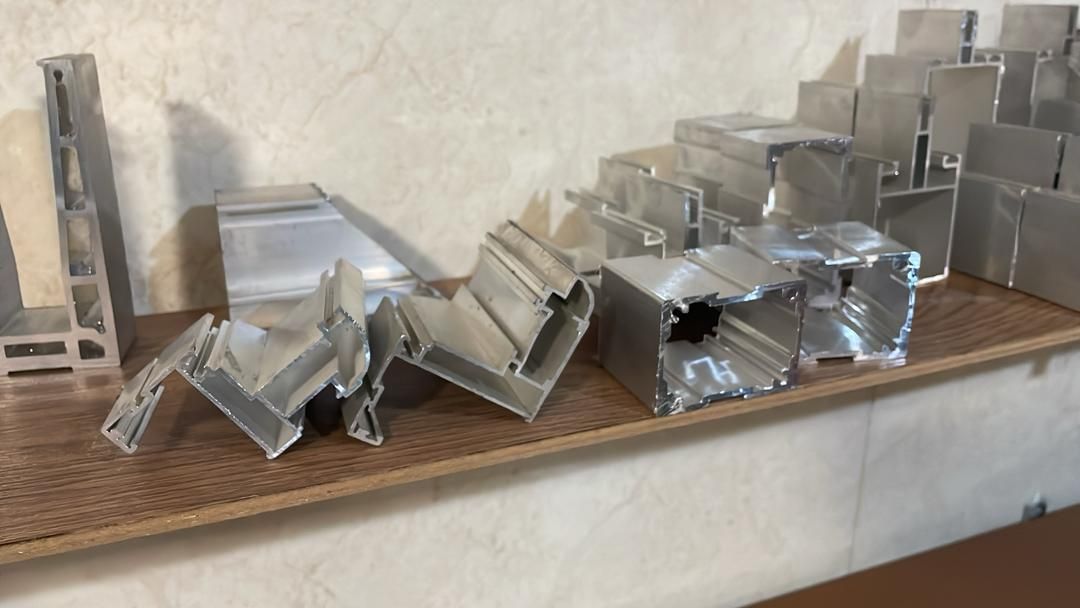
- Extrusion: Extrusion is a process used to create various shapes and profiles from aluminum alloys. The material is forced through a die under high pressure, leading to improved mechanical properties and precise geometries.
The choice of which method to use depends on factors such as the alloy’s composition, its intended application, and the desired balance between strength, ductility, and other mechanical properties.
In many industries, the ability to control and customize the strength of aluminum alloys is a crucial aspect of product design and manufacturing. Whether it’s in the construction of lightweight yet sturdy aircraft components, corrosion-resistant marine structures, or high-stress automotive parts, the versatility of aluminum alloys, coupled with these strengthening methods, makes them indispensable materials.
It’s important to note that while these methods effectively enhance the strength of aluminum alloys, there can be trade-offs between strength and other properties like ductility, corrosion resistance, and cost. Careful consideration of these factors is necessary to ensure that the final product meets the specific requirements of the application.
Additionally, advances in materials science and engineering continue to push the boundaries of aluminum alloy performance. Researchers and engineers are constantly exploring new alloying elements, heat treatment processes, and cold working techniques to develop alloys that are even stronger, more durable, and more cost-effective. This ongoing research is not only improving existing applications but also opening up possibilities for new uses of aluminum alloys in emerging technologies.
By mastering the art of strengthening aluminum alloys, we pave the way for innovation and progress in various industries. Here are a few examples of how these strengthened alloys continue to shape our world:
- Aerospace Advancements: The aerospace industry relies heavily on aluminum alloys to construct lightweight yet incredibly strong components. Stronger aluminum alloys allow for the design and manufacturing of more fuel-efficient aircraft, helping to reduce both operating costs and environmental impacts.
- Automotive Efficiency: In the automotive sector, lightweight materials are crucial for improving fuel efficiency and reducing emissions. Strengthened aluminum alloys find their way into vehicle components, reducing weight without compromising safety or structural integrity.
- Sustainable Construction: The construction industry benefits from the use of aluminum alloys in the creation of durable and corrosion-resistant building materials. Enhanced strength ensures the safety and longevity of structures while reducing maintenance and replacement costs.
- Consumer Electronics: Lightweight and durable, aluminum alloys are also found in consumer electronics like laptops, smartphones, and tablets. Strengthened alloys provide the necessary structural integrity to protect delicate electronic components while keeping the devices portable and stylish.
- Sustainable Packaging: Aluminum cans, thanks to their strength and recyclability, are a preferred choice for packaging beverages. Strengthened aluminum alloys ensure that these cans maintain their structural integrity during storage and transportation.
- Space Exploration: The quest for space exploration heavily relies on lightweight materials with superior strength. Aluminum alloys, fortified through these strengthening methods, make space travel and exploration of distant planets and celestial bodies a reality.
The continuous improvement of aluminum alloys through research and development is vital for keeping up with the ever-evolving demands of modern industry. Engineers and scientists are exploring innovative combinations of alloying elements, refining heat treatment techniques, and optimizing cold working processes to push the boundaries of what these materials can achieve.
In conclusion, the strengthening of aluminum alloys is pivotal to advancements in multiple sectors of the global economy. Through alloying, heat treatment, and cold working, these versatile materials can be tailored to meet specific needs, allowing us to build stronger, lighter, and more efficient products. As research and innovation persist, we can expect even more exciting applications and possibilities for aluminum alloys in the future, further solidifying their place as essential materials in the modern world , 3 Ways To Strengthen Aluminum Alloys.





Leave A Comment