
Why are aluminum heat sinks better than other materials’ heat sinks?
Introduction
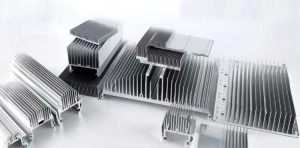
In the world of electronics and technology, managing heat is a critical challenge. Excessive heat can reduce the performance and lifespan of electronic components. Heat sinks are essential components used to dissipate this excess heat, and they come in various materials, including aluminum, copper, and even some exotic alloys. Among these, aluminum heat sinks are often favored for their outstanding performance and cost-effectiveness. In this article, we will explore the reasons why aluminum heat sinks are better than other materials’ heat sinks.
-
Excellent Thermal Conductivity
One of the key factors that make aluminum heat sinks superior to other materials is their excellent thermal conductivity. Thermal conductivity is a measure of a material’s ability to transfer heat, and aluminum ranks high in this regard. It has a thermal conductivity of approximately 205-240 W/m·K, which allows it to efficiently conduct and distribute heat away from the heat source.
Copper, another popular heat sink material, has even better thermal conductivity than aluminum, but it is significantly more expensive and heavier. This makes aluminum the preferred choice in many applications, striking an excellent balance between performance and cost.
-
Lightweight and Durable
Aluminum is a lightweight material, making it an ideal choice for applications where weight is a concern. This is particularly important in industries like aerospace and automotive, where reducing weight can lead to fuel efficiency and performance improvements. Furthermore, aluminum’s natural resistance to corrosion, when properly coated or anodized, enhances the durability of aluminum heat sinks.
-
Cost-Effective
Aluminum is abundant and widely available, which contributes to its cost-effectiveness. Compared to materials like copper, which are more expensive and have higher production costs, aluminum is a budget-friendly option. This affordability makes it an attractive choice for manufacturers seeking to keep production costs low without compromising thermal performance.
-
Efficient Heat Dissipation
Aluminum’s unique combination of lightweight construction and excellent thermal conductivity makes it highly efficient at dissipating heat. When used as a heat sink, aluminum quickly absorbs and disperses heat away from electronic components, helping to maintain optimal operating temperatures. This is crucial for the longevity and performance of electronic devices.
-
Customizability
Aluminum heat sinks can be easily customized to suit specific applications. They can be extruded, forged, or machined into various shapes and sizes, allowing engineers to design heat sinks that precisely fit the available space and thermal requirements. Customizability is a crucial advantage when dealing with diverse electronic applications, from laptops and smartphones to large-scale industrial equipment.
-
Eco-Friendly
Aluminum is a highly recyclable material, which aligns with modern sustainability goals. Using aluminum heat sinks promotes environmentally responsible practices, as they can be recycled and repurposed, reducing the overall environmental impact of electronic devices and components.
-
Versatility in Applications
Aluminum heat sinks find applications in a wide range of industries. They are commonly used in computers, laptops, and smartphones to dissipate the heat generated by CPUs and GPUs. Moreover, these heat sinks are employed in various power electronics, such as inverter modules, motor drives, and voltage regulators, where efficiently managing heat is vital for stable performance. Beyond consumer electronics, aluminum heat sinks are also used in industrial settings, including LED lighting systems, automotive components, and telecommunications equipment. Their adaptability and effectiveness make them a preferred choice for numerous thermal management requirements.
-
Rapid Heat Distribution
Aluminum’s ability to quickly conduct and distribute heat makes it an ideal choice for heat sinks. In electronic devices, heat generation can be sporadic or concentrated in specific areas. Aluminum’s responsiveness ensures that heat is swiftly drawn away from hotspots, preventing localized overheating. This rapid heat distribution is essential for maintaining the performance and reliability of electronic components, especially in devices where temperature fluctuations can occur.
-
Compatibility with Various Cooling Methods
Aluminum heat sinks are often used in conjunction with various cooling methods, such as fans, heat pipes, and liquid cooling systems. Their compatibility with these cooling mechanisms allows engineers to design comprehensive thermal management solutions that cater to the specific needs of a device. The versatility of aluminum heat sinks in accommodating different cooling strategies further enhances their effectiveness in keeping electronic components within safe operating temperatures.
-
Ongoing Advancements in Aluminum Alloys
Research and development in material science have led to the creation of advanced aluminum alloys tailored for thermal management applications. These alloys offer improved thermal conductivity and mechanical properties, further enhancing the performance of aluminum heat sinks. As technology advances, so does our ability to develop more efficient and effective heat sink designs that leverage these cutting-edge materials.
-
Heat Sink Design Innovation
The design of aluminum heat sinks has continued to evolve over time, driven by advances in computer-aided design (CAD) and manufacturing technologies. Engineers can now create intricate and optimized heat sink geometries that maximize the surface area for heat dissipation while minimizing space and material requirements. This has led to more compact and efficient heat sinks that can be tailored to fit in tight spaces or conform to the unique thermal demands of specific electronic devices.
-
Noise Reduction
Aluminum heat sinks often work in tandem with cooling fans, especially in consumer electronics like laptops and desktop computers. The high thermal efficiency of aluminum allows these fans to operate at lower speeds while maintaining the required cooling performance. This, in turn, reduces noise levels, contributing to a quieter and more user-friendly experience.
-
Maintenance-Free Performance
Aluminum heat sinks are known for their durability and reliability. Unlike some other materials, aluminum is resistant to corrosion, ensuring long-lasting performance. This characteristic is essential in critical applications where minimal maintenance is required to sustain optimal thermal management, as well as in environments with challenging conditions, such as industrial settings.
-
Global Availability
Aluminum is a widely available and globally sourced material. This accessibility ensures that aluminum heat sinks can be manufactured and sourced almost anywhere in the world, making them a practical choice for international manufacturers and ensuring a stable supply chain.
-
Future Potential
The field of thermal management is continually evolving, driven by the demand for more powerful and efficient electronic devices. Aluminum heat sinks will continue to be at the forefront of this evolution due to their exceptional thermal properties and versatility. Researchers are also exploring innovative materials and manufacturing techniques to further enhance the performance of aluminum heat sinks. As technology advances, so does the potential for aluminum heat sinks to play an even more significant role in keeping electronic devices cool and reliable.
-
Environmental Benefits
In an era where environmental concerns and sustainability are paramount, aluminum heat sinks shine as an eco-friendly choice. Aluminum is fully recyclable, making it a material that promotes responsible resource management and reduces the overall carbon footprint associated with manufacturing and disposal. Choosing aluminum heat sinks aligns with a global commitment to more sustainable practices and environmentally responsible technology.
-
Reduced Energy Consumption
Efficient thermal management is essential for maintaining the performance of electronic devices. By using aluminum heat sinks, electronics can operate within their optimal temperature range, reducing the risk of performance throttling or shutdowns due to overheating. This leads to overall energy savings because devices don’t need to work as hard to compensate for excess heat, ultimately promoting more energy-efficient technology.
-
Constant Evolution
The field of thermal management is a dynamic one, constantly evolving to meet the demands of ever-more powerful and compact electronic devices. As technology advances, so do the design and materials of heat sinks. Aluminum’s adaptability and continuous innovation ensure that it remains at the forefront of these developments, offering manufacturers and engineers a versatile and effective solution for managing heat.
-
Critical for Emerging Technologies
As emerging technologies such as electric vehicles, 5G networks, and the Internet of Things (IoT) continue to shape our future, the demand for efficient and reliable thermal management solutions becomes even more critical. Aluminum heat sinks play a pivotal role in ensuring the consistent performance and longevity of these cutting-edge technologies.
In summary, the superiority of aluminum heat sinks over other materials is a result of a combination of factors, including excellent thermal conductivity, cost-effectiveness, durability, eco-friendliness, and adaptability. Their widespread use in electronics, automobiles, and industrial equipment is a testament to their effectiveness in dissipating excess heat. As the electronics industry continues to innovate and develop new technologies, aluminum heat sinks will remain a vital component in ensuring that devices run efficiently, perform reliably, and meet the increasingly demanding thermal challenges of the future.





Leave A Comment