
system handrail glass profile
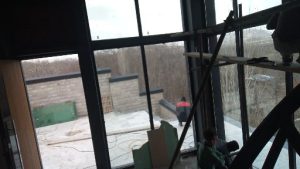
System handrail glass profile is an essential component of modern architectural designs. It is used to create handrails for stairs, balconies, and other elevated platforms. The glass profile is a popular choice due to its aesthetic appeal, safety, and durability.
The handrail glass profile is made of tempered glass, which is a type of safety glass that is highly resistant to breakage. Tempered glass is made by heating the glass to a high temperature and then rapidly cooling it. This process creates a surface compression that makes the glass up to four times stronger than regular glass. Tempered glass also shatters into small pieces when broken, reducing the risk of injury.
The glass profile for handrails can be customized to fit any design requirement. It comes in different shapes, sizes, and thicknesses. The most common shapes are rectangular, round, and square. The thickness of the glass ranges from 8mm to 12mm. The choice of thickness depends on the application and the design requirements.
One of the advantages of using a glass profile for handrails is its aesthetic appeal. The transparency of the glass allows for unobstructed views and creates a feeling of spaciousness. The glass profile also complements modern designs, providing a sleek and contemporary look. The glass can be customized with different finishes, such as frosted or tinted, to create a more unique look.
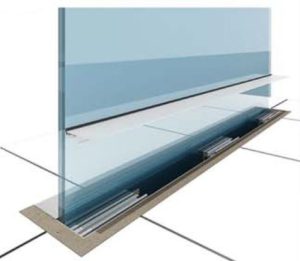
Another advantage of the glass profile for handrails is its safety features. The tempered glass is highly resistant to breakage, reducing the risk of injury in case of accidental impact. The glass profile is also easy to clean and maintain, which makes it a popular choice for public spaces and high-traffic areas.
The glass profile for handrails is also environmentally friendly. Glass is a sustainable material that is 100% recyclable. The use of glass in construction reduces the demand for natural resources and minimizes the carbon footprint of the building.
The installation of the glass profile for handrails requires specialized knowledge and expertise. The glass must be installed with precision and care to ensure its safety and durability. The installation process involves the use of specialized tools and equipment, such as suction cups and clamps, to hold the glass in place.
The glass profile for handrails is also subject to building codes and safety regulations. The codes specify the minimum thickness and height requirements for the glass handrails. The handrails must also be able to withstand certain loads and forces, such as wind and impact. It is important to consult with a qualified professional to ensure compliance with the building codes and safety regulations.
There are different types of glass profiles for handrails, each with its own unique features and benefits. The most common types are frameless, semi-frameless, and framed.
Frameless glass handrails have no visible support structures, creating a clean and minimalistic look. The glass is fixed to the support structure using specialized fittings, such as point fixings or channel fixings. The absence of visible support structures makes the frameless glass handrails a popular choice for modern designs.
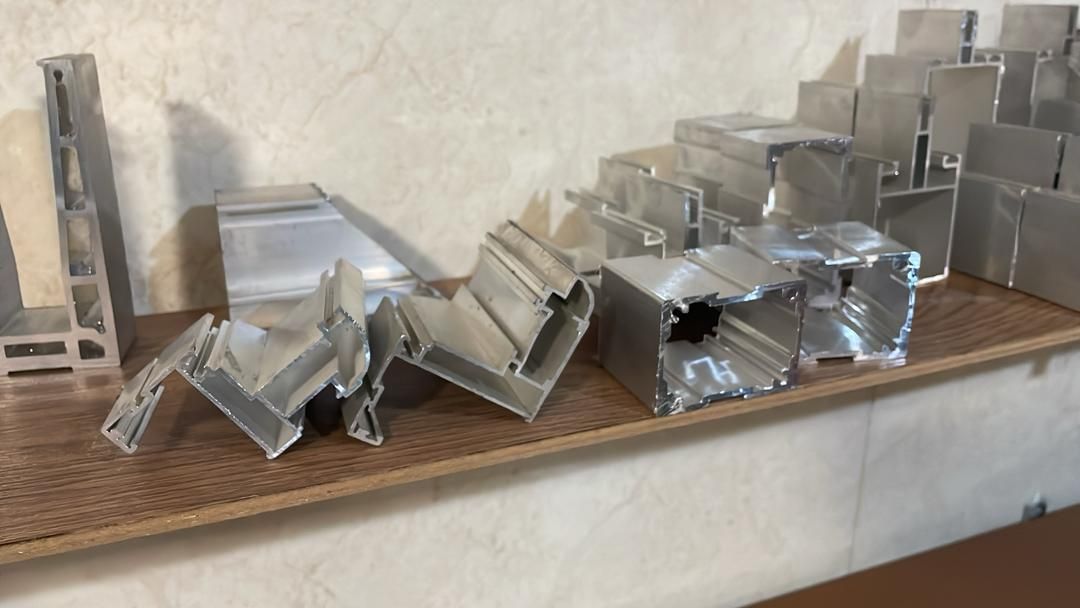
Semi-frameless glass handrails have visible support structures, such as posts or brackets, that hold the glass in place. The support structures can be made of different materials, such as stainless steel or aluminum, and can be customized to match the design requirements.
Framed glass handrails have visible frames that hold the glass in place. The frames can be made of different materials, such as wood, metal, or PVC. The frames provide additional support to the glass and can be customized to match the design requirements.

The choice of glass profile depends on the application and the design requirements. Frameless glass handrails are a popular choice for modern designs, while framed glass handrails are more traditional. Semi-frameless glass handrails offer a balance between the two, providing both support and a clean and minimalistic look.
When choosing a glass profile for handrails, it is important to consider the location and intended use of the handrail. For example, a handrail for a staircase may require different specifications than a handrail for a balcony or terrace. It is also important to consider the level of maintenance required and the cost of installation.
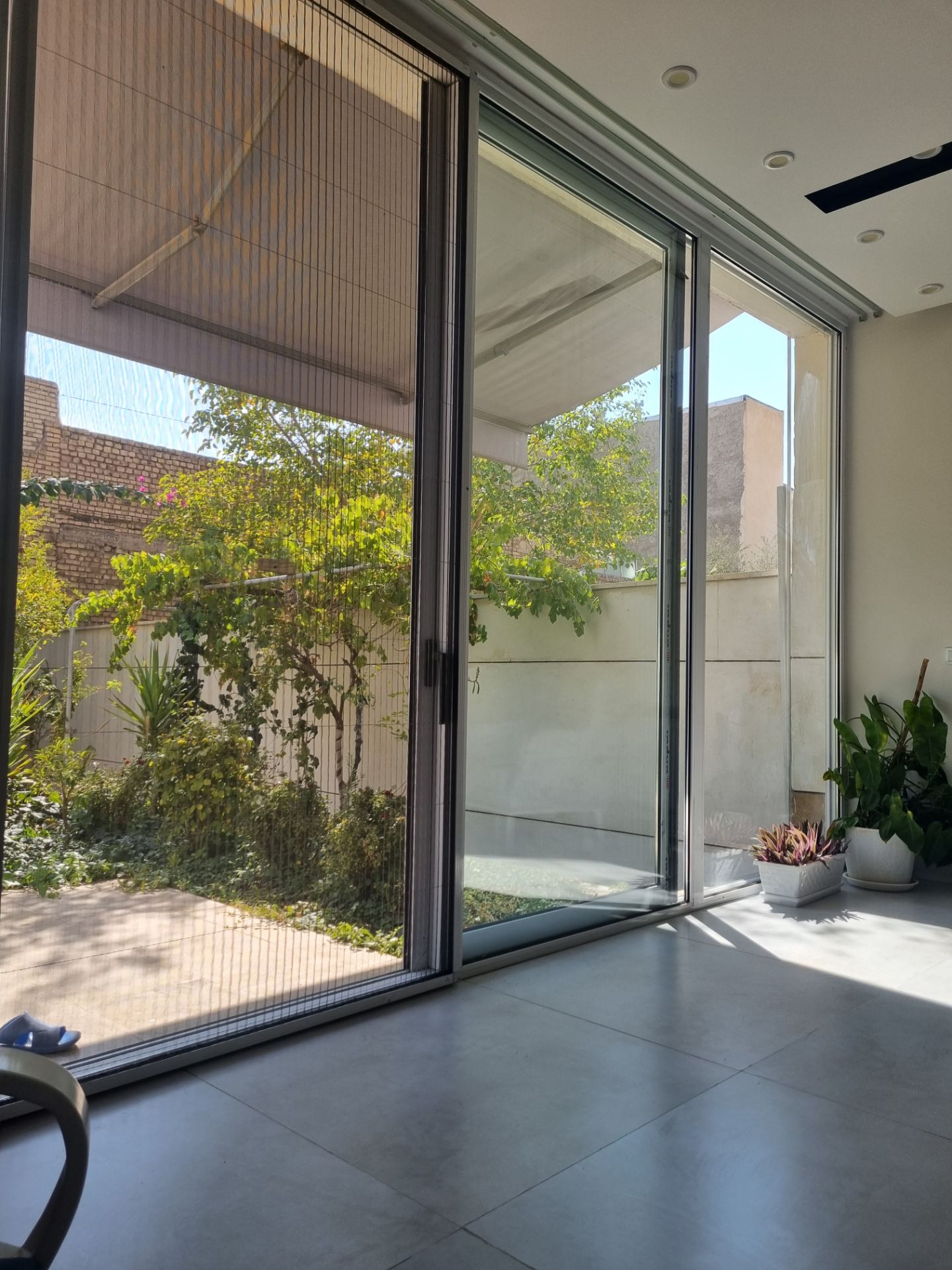
In addition to its use in handrails, the glass profile is also used in other applications, such as glass partitions, doors, and windows. Glass partitions are a popular choice for office spaces and commercial buildings, as they provide a sense of openness and allow natural light to enter the space. Glass doors and windows also provide a similar effect, creating a seamless transition between the indoor and outdoor spaces.
The use of glass in architecture has been around for centuries, but with the advancement of technology, the applications of glass have expanded greatly. The development of tempered glass has made it possible to use glass in areas that were previously considered unsafe, such as in handrails and balconies. The use of tempered glass has also made it possible to create more complex designs, such as curved and shaped glass.
In recent years, there has been a growing trend towards sustainable building practices. The use of glass in construction aligns with this trend, as glass is a sustainable material that is 100% recyclable. Glass also allows for natural light to enter the building, reducing the need for artificial lighting and energy consumption.
Conclusio
In conclusion, the system handrail glass profile is an essential component of modern architectural designs. It provides a sleek and contemporary look, while also offering safety, durability, and environmental benefits. The choice of glass profile depends on the application and the design requirements, but with the wide range of options available, it is possible to create a customized look that meets both aesthetic and functional needs. As technology and building practices continue to evolve, it is likely that the use of glass in construction will only continue to grow in popularity.
Furthermore, the system handrail glass profile has also been recognized for its ability to enhance the user experience by providing unobstructed views of the surrounding environment. This feature is particularly relevant in applications such as balconies, terraces, and rooftop areas where people can enjoy the scenery while feeling safe and secure.
Another advantage of the system handrail glass profile is that it can be combined with other materials such as metal, wood, and concrete to create unique and customized designs. This flexibility makes it possible to create handrails that are not only functional but also aesthetically pleasing and can add significant value to a building’s overall design.
It is also worth mentioning that the use of glass in handrails has been instrumental in advancing architectural designs, as it allows architects and designers to experiment with new forms, shapes, and configurations. Moreover, the availability of different glass finishes and textures further expands the range of design possibilities.
When it comes to installation, it is crucial to work with professionals who have the knowledge and experience to install glass handrails safely and effectively. The installation process involves the use of specialized tools and equipment, and it is important to ensure that the handrails are installed in compliance with building codes and safety regulations.
In terms of maintenance, glass handrails are relatively easy to clean and maintain. The tempered glass used in the system handrail glass profile is highly resistant to scratches and stains, and it does not require special cleaning products. However, regular cleaning is essential to maintain the glass’s transparency and prevent the accumulation of dirt and grime.

Leave A Comment