
what’s dry facade design
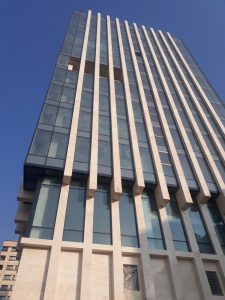
When it comes to designing a building, one of the most important factors to consider is the exterior facade. The facade not only serves an aesthetic purpose but also provides protection to the building from external elements such as wind, rain, and extreme temperatures. One type of facade design that has gained popularity in recent years is the dry facade design. In this article, we will discuss what a dry facade design is, its advantages, and some of the common materials used in its construction.
What is Dry Facade Design?
Dry facade design is a type of facade construction where the cladding material is fixed onto a supporting structure that is separate from the building’s main structure. In contrast to a traditional facade, which is built as an integral part of the building, the dry facade is an independent structure that is mounted onto the building’s exterior walls.
The term “dry” refers to the fact that the cladding is fixed onto the support structure without the use of wet mortar or adhesive, which is the case in traditional facade construction. Instead, the cladding is fixed using mechanical fasteners or a clip-on system. The space between the cladding and the wall creates a ventilation cavity that allows air to flow behind the cladding, providing several benefits.
Advantages of Dry Facade Design
One of the main advantages of dry facade design is its energy efficiency. The ventilation cavity behind the cladding acts as an insulating layer, reducing the heat loss through the building’s exterior walls. This results in lower energy consumption and reduced heating costs. Furthermore, the ventilation cavity allows air to circulate behind the cladding, which prevents moisture from accumulating and reduces the risk of mold growth.
Another advantage of dry facade design is its durability. The ventilation cavity behind the cladding allows any water that penetrates the cladding to drain away, preventing water from accumulating and causing damage to the building’s structure. Additionally, the use of mechanical fasteners or a clip-on system to fix the cladding onto the support structure means that it can be easily replaced if it becomes damaged, without having to remove the entire facade.
Dry facade design also offers greater design flexibility than traditional facade construction. The use of a separate support structure means that the cladding can be fixed onto the building’s exterior walls in a variety of ways, allowing for a wide range of design options. This is particularly useful when designing a building with unique or irregular shapes.
Materials Used in Dry Facade Design
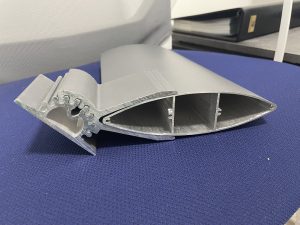
Several different materials can be used in dry facade design, including metal, glass, and composite materials.
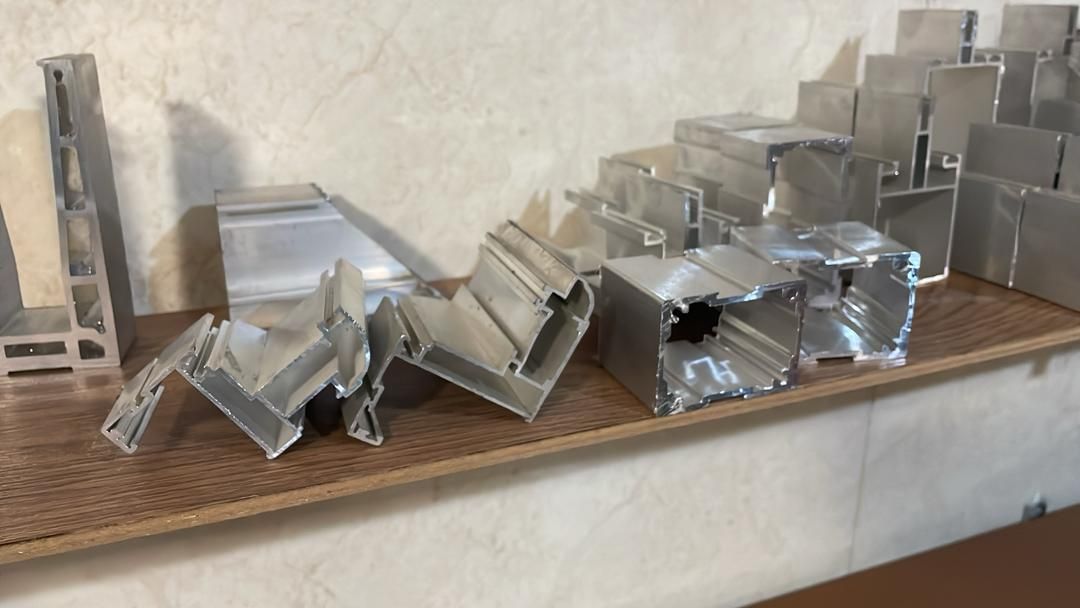
Metal cladding is a popular choice for dry facade design due to its durability and low maintenance requirements. Metal cladding can be made from a variety of materials, including aluminum, zinc, and steel. Each material offers its own unique set of properties, with aluminum and zinc being lightweight and highly resistant to corrosion, while steel offers superior strength and durability.
Glass cladding is another popular choice for dry facade design. Glass cladding allows natural light to enter the building, providing a bright and open interior space. Additionally, the use of high-performance glass can improve the building’s energy efficiency, reducing the need for artificial lighting and air conditioning.
Composite materials, such as fiber cement and high-pressure laminate, are also commonly used in dry facade design. These materials offer a wide range of design options, with the ability to replicate the look of natural materials such as wood or stone, while also providing superior durability and low maintenance requirements.
Conclusion
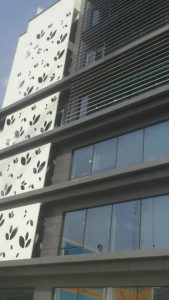
Dry facade design offers several advantages over traditional facade construction, including improved energy efficiency, durability, and design flexibility. By creating a ventilation cavity behind the cladding, dry facade design allows air to circulate behind the cladding, reducing the risk of moisture buildup and mold growth. Additionally, the use of mechanical fasteners or a clip-on system means that the cladding can be easily replaced if it becomes damaged, without having to remove the entire facade.
When selecting materials for a dry facade design, it is important to consider several factors such as durability, maintenance requirements, and design flexibility. Metal, glass, and composite materials are commonly used in dry facade construction, each offering its own unique set of properties and design options.
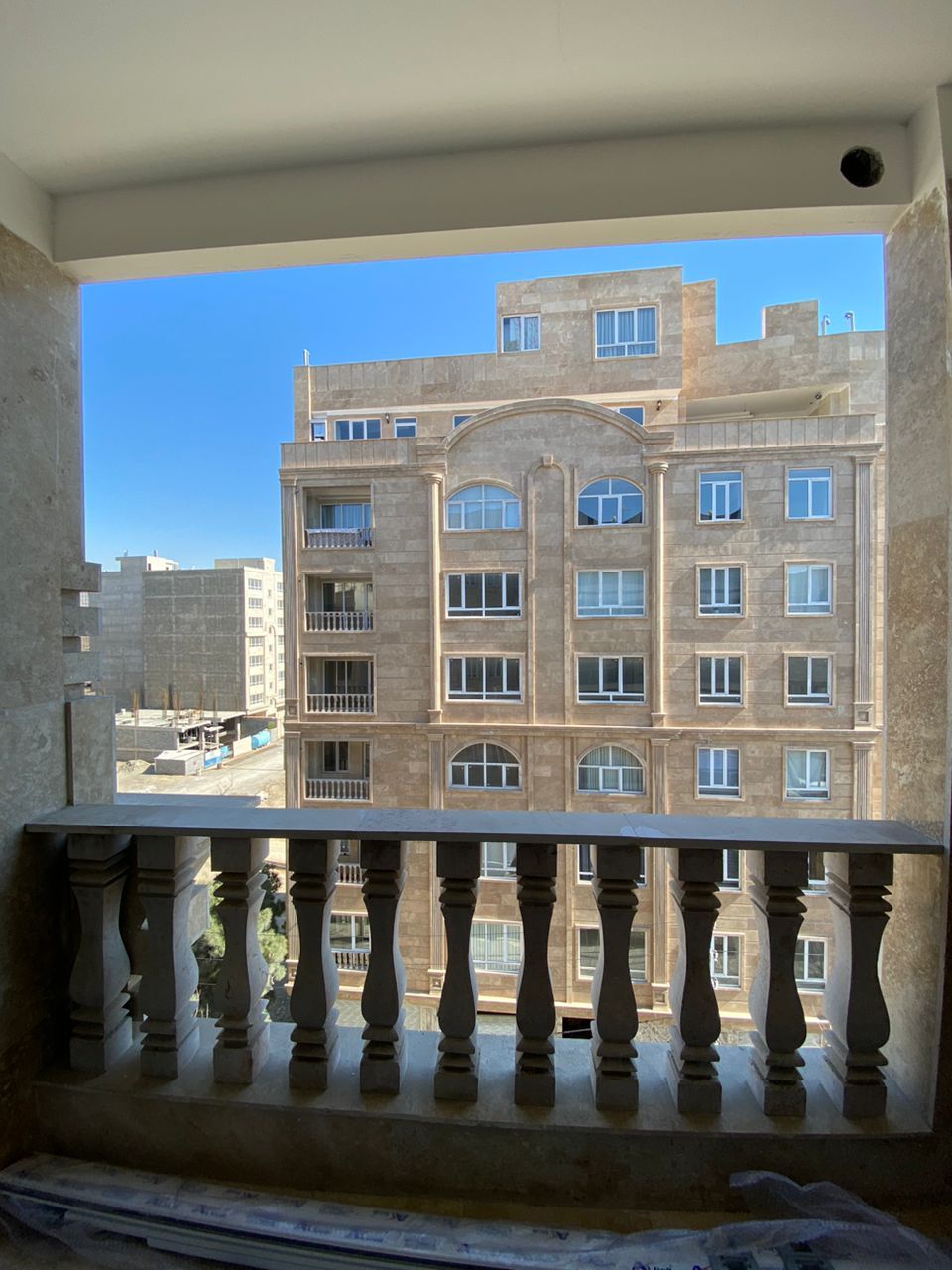
In addition to its technical advantages, dry facade design can also have a significant impact on a building’s aesthetic appeal. By allowing for a wide range of design options, dry facade design can help create a building that is visually striking and unique.
It is worth noting that while dry facade design can offer significant benefits over traditional facade construction, it is important to work with experienced professionals to ensure that the design and installation are done correctly. Improper installation or poor material selection can lead to issues such as water infiltration and damage to the building’s structure.
In conclusion, dry facade design is a modern approach to facade construction that offers several advantages over traditional methods. By creating a ventilation cavity behind the cladding, dry facade design can improve a building’s energy efficiency, durability, and design flexibility. When combined with carefully selected materials and experienced installation, dry facade design can help create a building that is both functional and visually appealing.
Moreover, the use of dry facade design can also contribute to sustainable building practices. By reducing the energy consumption of a building and improving its durability, dry facade design can help reduce the overall environmental impact of a building throughout its lifecycle.
As the demand for sustainable and energy-efficient buildings continues to grow, the use of dry facade design is likely to become more widespread. While it may require a higher upfront cost compared to traditional facade construction, the long-term benefits can ultimately result in significant cost savings and improved environmental sustainability.
what’s dry facade design
what’s dry facade design

Leave A Comment