
stone dry façade wall
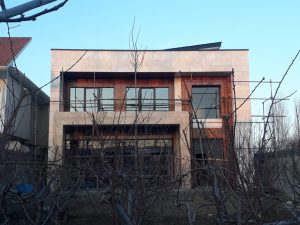
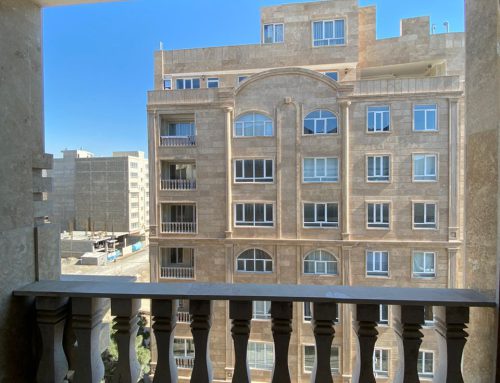
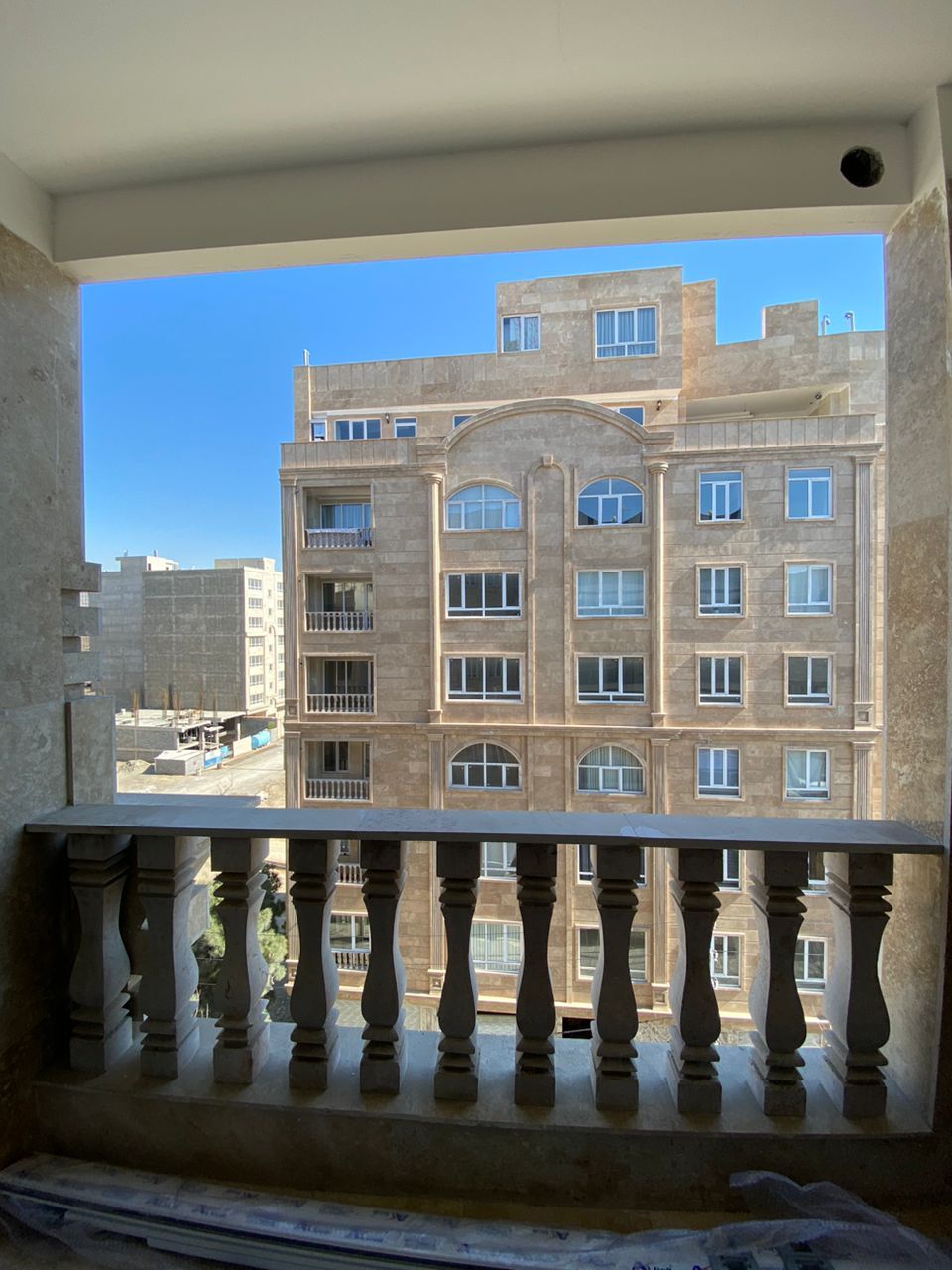
Stone dry façade walls, also known as stone cladding or stone veneer, have become increasingly popular in recent years as a way to add a natural and timeless aesthetic to buildings. This type of wall construction involves attaching thin stone panels to a substrate or backing material, such as concrete, metal or wood, using an adhesive or mechanical fasteners. The result is a façade that looks like a solid stone wall but is much lighter and easier to install. In this article, we will explore the advantages and disadvantages of stone dry façade walls, as well as the different types of stone that can be used and the installation process.
Advantages of Stone Dry Façade Walls
Aesthetics: Stone has a unique and timeless beauty that can add value to any building. The natural texture and color variations in the stone can create a rich and organic appearance that is difficult to replicate with other materials.
Durability: Stone is a very durable material that can last for centuries if properly maintained. It is resistant to weathering, fading, and staining, and can withstand extreme temperatures and moisture levels. This makes it a popular choice for outdoor applications, where it is exposed to the elements.
Low Maintenance: Stone requires minimal maintenance and can be easily cleaned with soap and water. Unlike other materials, it does not require painting or sealing, which can save time and money in the long run.
Energy Efficiency: Stone has excellent thermal mass properties, which means that it can absorb and store heat energy from the sun during the day and release it slowly at night. This can help to reduce heating and cooling costs and create a more comfortable indoor environment.
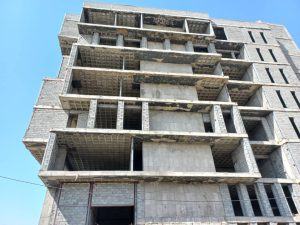
Eco-Friendly: Stone is a natural and renewable resource that does not emit any harmful pollutants or chemicals. It is also recyclable and can be repurposed for other applications, which makes it a sustainable choice for building materials.
Disadvantages of Stone Dry Façade Walls
Cost: Stone is a premium material that can be expensive compared to other façade options. The cost can vary depending on the type of stone, the size of the panels, and the installation method.
Weight: Stone can be heavy, which can increase the load on the building structure and require additional support. This can add to the cost and complexity of the installation process.
Maintenance: While stone is low maintenance, it can still require occasional repairs or replacement of damaged panels. This can be difficult and expensive, especially if the stone is difficult to source or match.
Installation: Stone dry façade walls require specialized installation techniques and tools, which can make the process more complex and time-consuming. This can also add to the cost of the project.
Types of Stone for Dry Façade Walls
There are many different types of stone that can be used for dry façade walls, each with its own unique characteristics and advantages. Some of the most popular options include:
Granite: Granite is a hard and dense stone that is known for its durability and resistance to weathering. It has a consistent texture and color that can create a sleek and modern look.
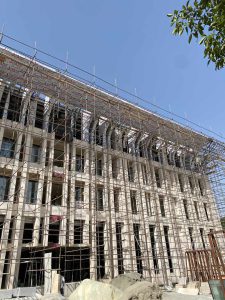
Marble: Marble is a luxurious and elegant stone that has been used in architecture for centuries. It has a unique veining and color variations that can create a striking visual effect.
Limestone: Limestone is a soft and porous stone that has a natural and organic appearance. It is available in a range of colors and can be easily carved and shaped.
Sandstone: Sandstone is a durable and weather-resistant stone that has a rustic and textured look. It is available in a range of colors and can create a warm and inviting atmosphere.
Slate: Slate is a fine-grained and layered stone that has a natural and earthy look. It is durable and resistant to water and weathering, making it a popular choice for outdoor applications.
Installation Process
The installation process for stone dry façade walls can vary depending on the type of stone and the backing material used. Generally, the process involves the following steps:
Preparation: The substrate or backing material is cleaned and prepared to ensure a smooth and even surface.
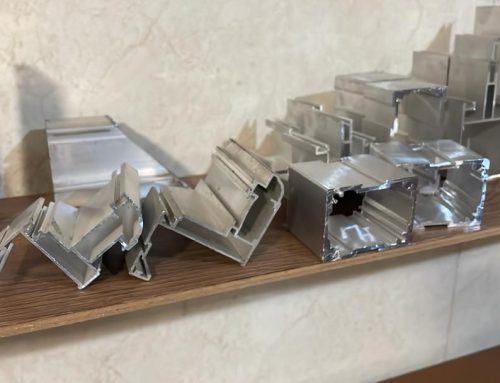
Adhesive application: An adhesive or mechanical fasteners are applied to the substrate to secure the stone panels in place.
Stone panel placement: The stone panels are placed onto the adhesive or fasteners, starting from the bottom and working upwards. The panels are carefully aligned and spaced to create a uniform look.
Cutting and shaping: As needed, the stone panels are cut and shaped to fit around corners, windows, and other features of the building.
Grouting and sealing: Once the stone panels are in place, the gaps between them are filled with grout to create a seamless look. The stone is then sealed to protect it from moisture and staining.
Overall, the installation process can be complex and time-consuming, requiring skilled professionals with specialized tools and equipment. However, the end result is a beautiful and durable façade that can enhance the value and appearance of any building.
Conclusion
In conclusion, stone dry façade walls offer a range of advantages and disadvantages for building owners and architects. While the cost and complexity of installation can be a drawback, the durability, low maintenance, and aesthetic appeal of stone make it a popular choice for many applications. By carefully considering the type of stone, the backing material, and the installation process, building owners can create a beautiful and functional façade that will stand the test of time.
It is important to note that stone dry façade walls should be designed and installed by qualified professionals who have experience in working with stone and façade systems. They should also comply with local building codes and regulations to ensure the safety and structural integrity of the building.
Additionally, building owners should consider the long-term maintenance and repair costs associated with stone dry façade walls. While stone is a durable material, it can still be damaged by impact, weathering, or other factors. Regular inspections and repairs can help to prevent costly damage and prolong the life of the façade.
Overall, stone dry façade walls offer a unique and timeless look that can enhance the value and beauty of any building. By carefully considering the advantages and disadvantages, as well as the installation process and maintenance requirements, building owners can make an informed decision about whether this type of façade system is right for their needs.

Leave A Comment