
Modern facade design cost
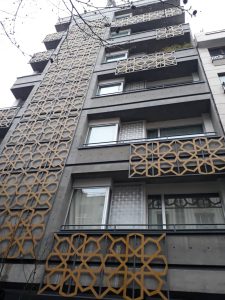
Modern facade design has become an important element of contemporary architecture. The exterior of a building is the first thing that people see, and it can significantly affect the overall appearance and appeal of a structure. As such, architects and designers are increasingly investing in modern facade design to make their buildings stand out and look unique.
However, modern facade design comes at a cost. In this article, we will discuss the various factors that affect the cost of modern facade design and explore ways in which architects and designers can reduce these costs without compromising on quality or design.
Materials
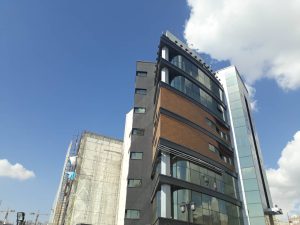
The type of materials used in modern facade design is one of the most significant factors that affect the cost. Different materials have varying costs, and the choice of material will depend on various factors, including durability, aesthetic appeal, and maintenance requirements.
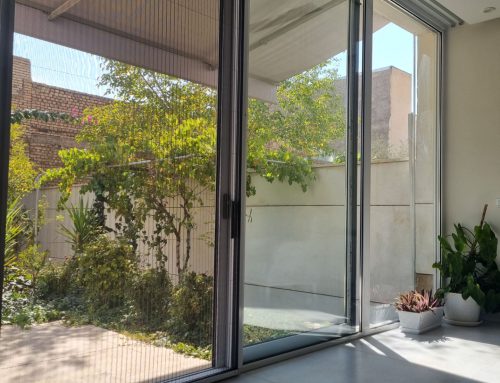
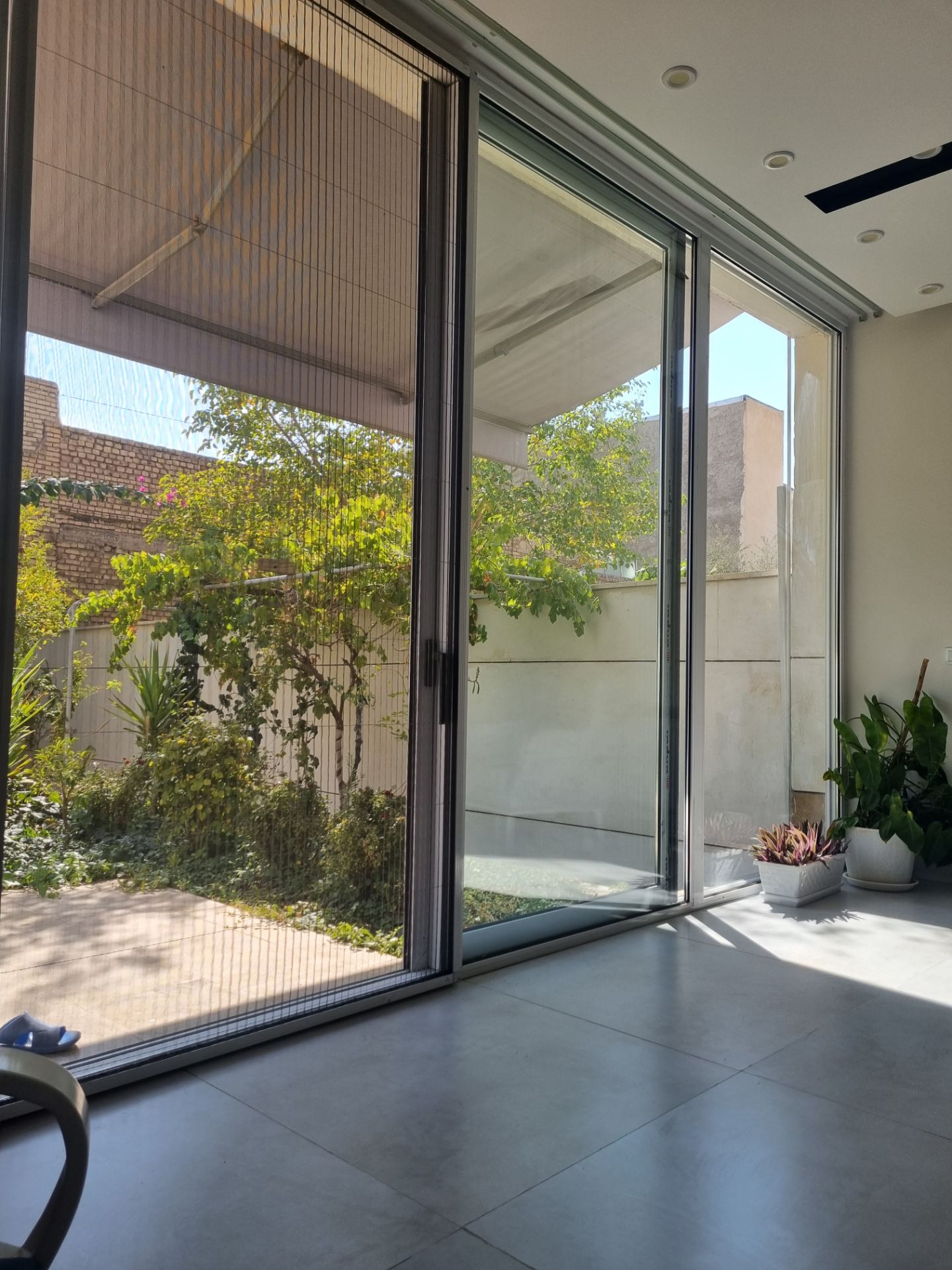
One popular material used in modern facade design is glass. Glass is a versatile material that allows for creative designs, natural light, and energy efficiency. However, glass is also expensive, and the cost can increase significantly if designers opt for high-performance glass or opt for custom shapes.
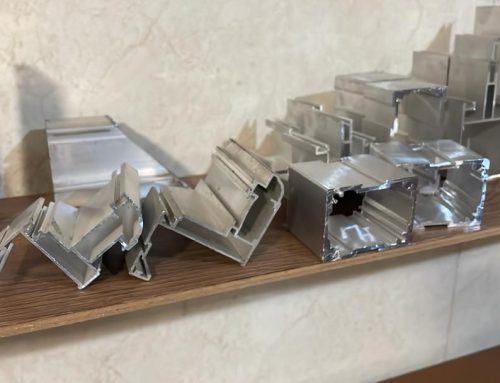
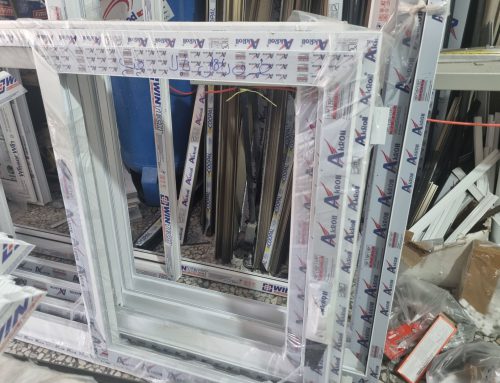
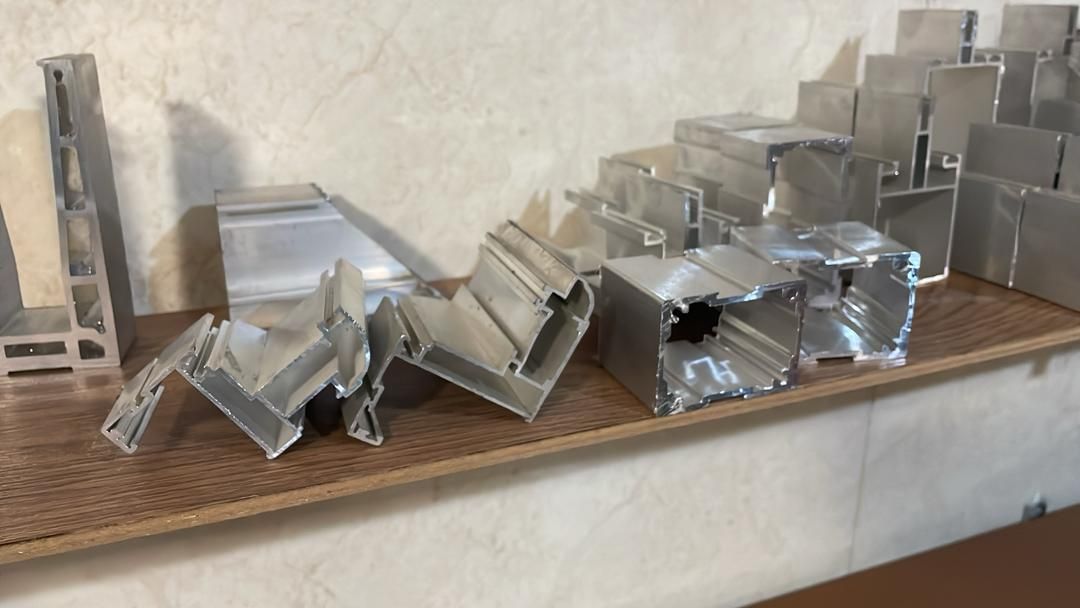
Metal is another popular material used in modern facade design. Aluminum is the most commonly used metal because it is lightweight, durable, and recyclable. However, other metals such as steel and bronze can also be used for a more unique and elegant look. Metal facades can be expensive due to the cost of materials and fabrication.
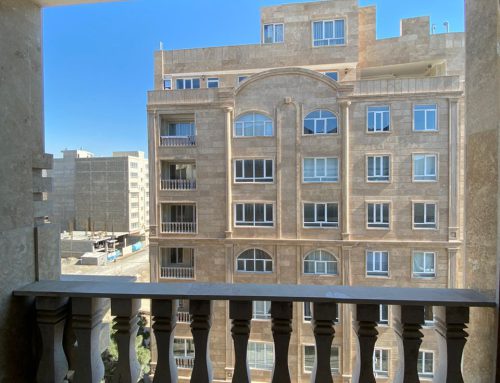
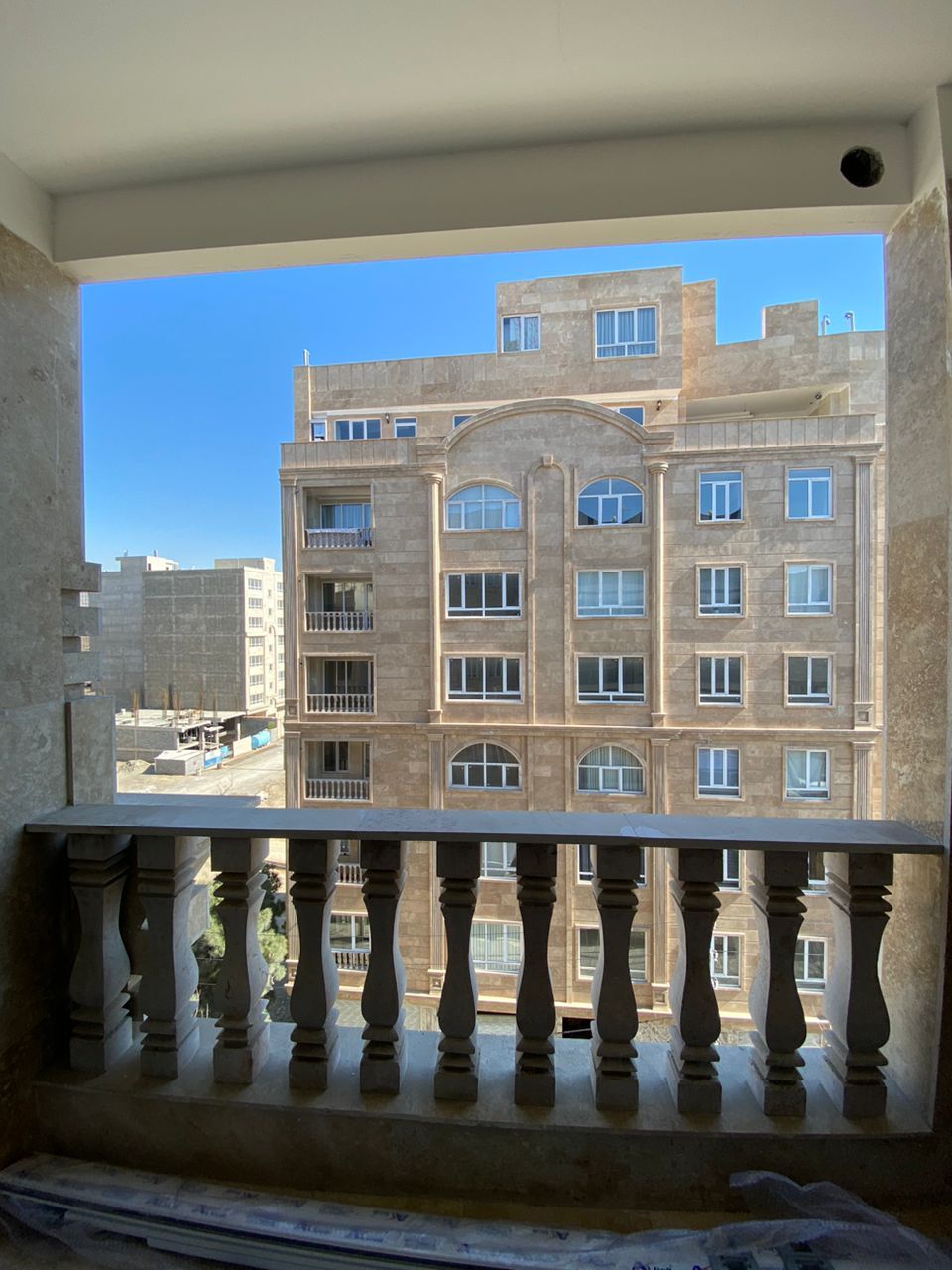
Stone and concrete are also commonly used in modern facade design. Stone facades provide a natural and luxurious appearance, while concrete facades can offer a modern and industrial look. Both materials can be costly due to the material and installation costs.
Design Complexity
The complexity of the design is another factor that affects the cost of modern facade design. Intricate designs that involve complex shapes, curves, or custom patterns will increase the cost of the facade. Such designs require specialized engineering, fabrication, and installation processes, which can be time-consuming and expensive.
Additionally, incorporating high-tech features into the facade, such as sensors or LED lighting, can also increase the cost of modern facade design. These features require additional design, installation, and maintenance costs, which can add up quickly.
Labor Costs
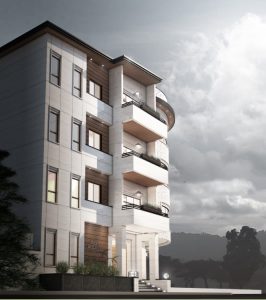
Labor costs can also significantly affect the cost of modern facade design. The installation process of a modern facade requires skilled laborers who have specialized knowledge in facade installation. Such professionals are in high demand, and their services can come at a premium.
Additionally, the location of the building can also affect labor costs. Buildings located in urban areas with limited space can be more challenging to install facades, leading to higher labor costs. Furthermore, buildings located in areas with strict building codes and regulations may require additional inspections and approvals, adding to the overall labor costs.
Maintenance
Maintenance is another factor that affects the cost of modern facade design. A well-designed facade should not only look great but also be durable and easy to maintain. As such, architects and designers must consider maintenance costs when selecting materials and designs.
Glass facades, for example, are easy to maintain and clean, but they require more frequent cleaning due to their transparency. Stone and concrete facades, on the other hand, require less maintenance but may require periodic sealing or repairs to prevent cracking and weathering.
Additionally, incorporating high-tech features into the facade may require more frequent maintenance and repairs. Architects and designers must consider these additional costs when designing modern facades.
Reducing the Cost of Modern Facade Design
While modern facade design can be expensive, there are ways to reduce costs without compromising on quality or design. Here are some tips that architects and designers can use to reduce the cost of modern facade design:
Select Materials Wisely
Choosing the right materials is crucial in reducing the cost of modern facade design. Architects and designers should opt for materials that are durable, cost-effective, and easy to maintain. For example, using metal panels instead of glass or stone can be a cost-effective option that still provides a modern and sleek look. Additionally, choosing prefabricated materials can save on labor costs and reduce installation time.
Simplify Design
Simplifying the design can also reduce the cost of modern facade design. While intricate designs may look impressive, they can significantly increase the cost of fabrication and installation. Architects and designers can opt for simpler designs that still provide an aesthetic appeal while being easier and cheaper to install.
Consider the Building Location
The location of the building can also affect the cost of modern facade design. Architects and designers should consider the building’s location when selecting materials and designing the facade. For example, buildings located in areas with strict building codes may require simpler designs that are easier to get approved. Additionally, buildings located in areas with limited space may require more innovative solutions to reduce installation costs.
Use Sustainable Materials
Using sustainable materials can also reduce the cost of modern facade design in the long run. Sustainable materials, such as recycled metals or reclaimed wood, can be cost-effective and provide a unique look to the building. Additionally, sustainable materials can help reduce maintenance costs as they are often more durable and require less frequent repairs.
Plan for Maintenance
Planning for maintenance from the beginning can also reduce the cost of modern facade design. Architects and designers should select materials and designs that are easy to maintain and plan for routine inspections and repairs. Additionally, incorporating features such as self-cleaning glass can reduce the frequency of maintenance required, reducing the overall cost.
Conclusion
In conclusion, modern facade design is an important element of contemporary architecture that can significantly affect the overall appearance and appeal of a building. While modern facade design can be expensive, there are ways to reduce costs without compromising on quality or design. By selecting materials wisely, simplifying the design, considering the building location, using sustainable materials, and planning for maintenance, architects and designers can create modern facades that are cost-effective, durable, and aesthetically appealing.
It’s also worth noting that investing in modern facade design can have long-term benefits for the building and its occupants. Modern facades can improve energy efficiency, enhance natural lighting, and reduce noise pollution. These benefits can result in lower energy bills, increased productivity, and improved quality of life for occupants.
Furthermore, modern facade design can also increase the value of the building. A well-designed and unique facade can make a building stand out and increase its appeal to potential buyers or renters. This increased appeal can lead to higher rental or sale prices, ultimately providing a return on the investment made in modern facade design.
It’s essential to consider the long-term benefits and costs of modern facade design when making decisions about the design and materials. While it may be tempting to opt for cheaper materials or simpler designs, investing in a well-designed and durable modern facade can ultimately provide more significant benefits in the long run.
In conclusion, modern facade design can be expensive, but there are ways to reduce costs without sacrificing quality or design. By carefully selecting materials, simplifying the design, considering the building location, using sustainable materials, and planning for maintenance, architects and designers can create modern facades that are cost-effective, durable, and aesthetically appealing. Investing in modern facade design can also provide long-term benefits such as improved energy efficiency, increased building value, and improved quality of life for occupants.

Leave A Comment