
Glass handrail glass profile
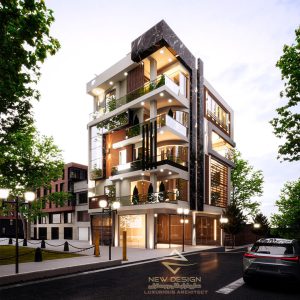
Glass handrails have become an increasingly popular design element in both commercial and residential settings. They offer a sleek and modern look while also providing safety and functionality. One important aspect of glass handrails is the glass profile, which refers to the shape and dimensions of the glass used in the railing system. In this article, we will explore the different types of glass profiles used in handrails and the factors to consider when choosing the right profile for your project.
Flat Glass Profile
The most common type of glass profile used in handrails is the flat glass profile. As the name suggests, this type of glass is flat and has no curve or bend. Flat glass profiles are typically used in modern designs where clean, straight lines are desired. They are also a popular choice for commercial buildings where safety is a top priority. Flat glass profiles are typically made from tempered glass, which is much stronger than regular glass and less likely to shatter or break.
Curved Glass Profile
For those who prefer a more organic look, curved glass profiles may be a good choice. Curved glass can be bent to different shapes and angles, making it ideal for curved or spiral staircases. The curved glass profile creates a sense of fluidity and movement, adding an interesting visual element to any design. However, curved glass profiles can be more expensive and require more advanced installation techniques than flat glass profiles.
Laminated Glass Profile
Laminated glass profiles are made up of multiple layers of glass that are bonded together with a layer of plastic in between. This type of glass profile is commonly used in high-traffic areas such as airports, train stations, and stadiums, as it provides superior safety and security. Laminated glass is much more difficult to break than regular glass, and in the event of a breakage, the plastic layer holds the glass together, preventing shards from flying off and potentially causing injury. Laminated glass profiles are also ideal for outdoor installations, as they are resistant to UV radiation and weathering.
Frosted Glass Profile
Frosted glass profiles are created by etching the surface of the glass, creating a translucent or opaque appearance. This type of glass profile is often used for privacy, as it allows light to pass through while obscuring the view. Frosted glass profiles are a popular choice for bathroom and shower enclosures, as well as for partitions in open-plan offices. They are also available in a variety of colors and designs, making them a versatile option for many different design styles.
Tinted Glass Profile
Tinted glass profiles are created by adding a layer of colored film to the surface of the glass. This type of glass profile can be used to create a variety of visual effects, from subtle shades to bold, dramatic colors. Tinted glass profiles can be used for both indoor and outdoor installations and are often chosen for their aesthetic appeal. They can also provide additional privacy and heat reduction, making them a popular choice for windows in hot, sunny climates.
Factors to Consider
When choosing a glass profile for your handrail system, there are several factors to consider. The first is safety. Glass handrails are designed to provide a barrier between the user and the surrounding environment, so it is essential that the glass profile you choose is strong, durable, and able to withstand impact. Tempered glass is the most commonly used glass for handrails, as it is much stronger than regular glass and less likely to shatter or break.
Another important factor to consider is design. The glass profile you choose should complement the overall design of your space, whether that be modern, traditional, or somewhere in between. Flat glass profiles are a good choice for modern designs, while curved glass profiles can add an organic, fluid element to more traditional designs. Frosted and tinted glass profiles can be used to create a certain mood or atmosphere within the space.
In addition to safety and design, the location and intended use of the handrail should also be considered. If the handrail is going to be installed in a high-traffic area or in a location where impact is likely, laminated glass profiles may be the best choice. For outdoor installations, laminated and tinted glass profiles are ideal due to their resistance to UV radiation and weathering.
Budget is also an important consideration when choosing a glass profile for your handrail system. Curved glass profiles and laminated glass profiles are generally more expensive than flat glass profiles, so it is important to determine your budget before making a final decision.
Installation is another factor to consider. Curved glass profiles require more advanced installation techniques than flat glass profiles, so it is important to ensure that your installer is experienced in working with curved glass. Laminated glass profiles may also require specialized installation techniques, so it is important to choose an installer who is familiar with this type of glass.
Conclusion
Glass handrails are a popular design element that offer both safety and aesthetic appeal. The glass profile used in the handrail system is an important factor to consider when choosing the right design for your space. Flat glass profiles are a good choice for modern designs, while curved glass profiles can add an organic, fluid element to more traditional designs. Laminated glass profiles offer superior safety and security, while frosted and tinted glass profiles can be used to create a certain mood or atmosphere within the space. By considering factors such as safety, design, location, budget, and installation, you can choose the right glass profile for your handrail system and create a space that is both functional and beautiful.
It is also important to work with a reputable glass supplier and installer to ensure that the glass used in your handrail system meets all safety and quality standards. They can provide valuable guidance on the different glass profiles available and help you choose the right one for your specific needs.
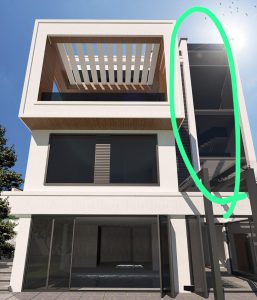
In addition to the glass profile, other elements of the handrail system should also be considered. The type of hardware used to secure the glass panels in place, as well as the design of the handrail itself, can all affect the overall look and functionality of the handrail system. By working with an experienced installer, you can ensure that all elements of the handrail system are carefully considered and designed to meet your specific needs and preferences.
In summary, glass handrails with different glass profiles are a popular and practical design element for modern spaces. Whether you choose a flat glass profile for a clean and contemporary look, a curved glass profile for a more fluid and organic feel, a laminated glass profile for superior safety and security, or a frosted or tinted glass profile to create a specific mood or atmosphere, careful consideration of safety, design, location, budget, and installation will help you choose the perfect glass profile for your handrail system. Working with an experienced glass supplier and installer can also ensure that all elements of the handrail system are carefully designed and installed to meet your specific needs and preferences.

Leave A Comment