
Special louver
Introduction:
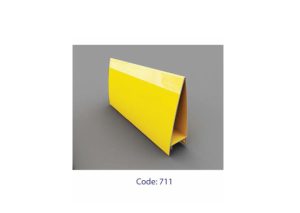
Special louver , In the dynamic world of architecture and building design, innovations are constantly reshaping the way we perceive and interact with our constructed environments. One such innovation that has gained prominence in recent years is the use of special louvers. Louvers, traditionally known for their functionality in ventilation and aesthetics, have evolved into sophisticated and specialized components that not only enhance architectural designs but also contribute significantly to energy efficiency and sustainability.
The Basics of Louvers:
Louvers are slatted structures often found on the exteriors of buildings, designed to allow airflow while blocking out elements such as rain and direct sunlight. They serve a dual purpose of functionality and aesthetics, contributing to the overall visual appeal of a structure while providing practical benefits like natural ventilation and light control.
Special Louvers – Beyond the Basics:
Special louvers take the concept a step further by incorporating advanced materials, designs, and functionalities to address specific architectural and environmental challenges. These specialized louvers are customized to meet the unique requirements of a building, considering factors such as climate, orientation, and sustainability goals.
- Climate Adaptability: Special louvers are designed to adapt to different climatic conditions. In hot climates, louvers may be configured to provide shade and reduce solar heat gain, contributing to energy efficiency by decreasing the need for air conditioning. In colder climates, the same louvers can be designed to allow more sunlight into the building, harnessing passive solar heating.
- Aesthetic Innovation: Architects are increasingly incorporating special louvers as integral elements of their designs, using them to create visually striking facades. The play of light and shadow created by carefully designed louvers adds a dynamic and artistic dimension to the building envelope.
- Energy Efficiency and Sustainability: The incorporation of special louvers contributes significantly to a building’s energy efficiency and sustainability. By optimizing natural light and ventilation, these louvers reduce reliance on artificial lighting and mechanical ventilation systems, resulting in decreased energy consumption and operational costs.
- Smart Louver Systems: In the era of smart buildings, special louvers are often equipped with automation and sensor technologies. These systems can dynamically adjust the louver positions based on real-time data, optimizing energy use and ensuring a comfortable indoor environment.
- Privacy and Security: Louvers can also be designed to provide privacy and security. Special louvers with adjustable slats allow occupants to control the level of visibility from the outside, offering a balance between openness and seclusion.
- Material Innovation: Modern special louvers are often constructed using innovative materials such as composite alloys, advanced polymers, or sustainable materials. This not only enhances their durability but also aligns with the growing emphasis on environmentally friendly construction practices.
Challenges and Considerations:
While special louvers offer a plethora of benefits, their implementation is not without challenges. Architects and builders must carefully consider factors such as local building codes, maintenance requirements, and the long-term durability of the chosen materials. Additionally, the integration of smart technologies raises considerations regarding cybersecurity and the need for regular software updates.
Case Studies:
Several buildings around the world showcase the successful integration of special louvers in their design. The Al Bahr Towers in Abu Dhabi, for example, feature a dynamic façade of geometric special louvers that respond to the movement of the sun, optimizing daylighting while minimizing heat gain. The Eden Project in the United Kingdom utilizes biomes with special louvers to control the internal climate, creating ideal conditions for the diverse plant species housed within.
Future Trends:
Looking ahead, the future of special louvers holds exciting possibilities. Advancements in materials science, coupled with a deeper understanding of climate-responsive design, may lead to even more efficient and adaptable louver systems. As sustainable building practices become increasingly important, special louvers will likely play a key role in achieving energy efficiency goals and reducing the environmental impact of construction.
Challenges and Considerations:
While special louvers offer a plethora of benefits, their implementation is not without challenges. Architects and builders must carefully consider factors such as local building codes, maintenance requirements, and the long-term durability of the chosen materials. Additionally, the integration of smart technologies raises considerations regarding cybersecurity and the need for regular software updates.
Choosing the right materials is crucial for the success of special louvers. Sustainable options that align with environmental goals are gaining traction, emphasizing the industry’s commitment to reducing its carbon footprint. The challenge lies in striking a balance between aesthetics, functionality, and environmental impact.
Case Studies:
Several buildings around the world showcase the successful integration of special louvers in their design. The Al Bahr Towers in Abu Dhabi, for example, feature a dynamic façade of geometric special louvers that respond to the movement of the sun, optimizing daylighting while minimizing heat gain. The Eden Project in the United Kingdom utilizes biomes with special louvers to control the internal climate, creating ideal conditions for the diverse plant species housed within.
These case studies not only highlight the versatility of special louvers but also serve as inspiration for architects seeking innovative solutions to address unique design challenges. The adaptability of special louvers to different climates and design contexts positions them as a valuable tool in the toolkit of modern architects.
Future Trends:
Looking ahead, the future of special louvers holds exciting possibilities. Advancements in materials science, coupled with a deeper understanding of climate-responsive design, may lead to even more efficient and adaptable louver systems. As sustainable building practices become increasingly important, special louvers will likely play a key role in achieving energy efficiency goals and reducing the environmental impact of construction.
The integration of special louvers into the broader framework of smart cities is another area of exploration. As cities embrace interconnected technologies to enhance efficiency and sustainability, special louvers equipped with sensors and responsive systems could contribute to more intelligent urban environments.
Conclusion:
In the ever-evolving landscape of architectural design, special louvers stand out as versatile and impactful elements. Their ability to combine functionality with aesthetics, energy efficiency, and adaptability to diverse climates makes them integral to the sustainable and visually appealing buildings of the future. As architects and engineers continue to innovate, special louvers will likely remain at the forefront of cutting-edge design, contributing to a built environment that is not only beautiful but also environmentally responsible.
In the pursuit of creating structures that harmonize with their surroundings and respond intelligently to the needs of their occupants, the integration of special louvers represents a promising trend in contemporary architecture. As these innovations continue to shape the skylines of cities and redefine our relationship with the built environment, special louvers serve as a testament to the power of thoughtful design in creating a more sustainable and visually captivating world.
As we look to the horizon of architectural possibilities, special louvers undoubtedly emerge as key players in the ongoing narrative of sustainable, efficient, and aesthetically pleasing construction. The journey from traditional louvers to these specialized architectural elements marks a profound shift in how we approach building design, showcasing the capacity of human ingenuity to create structures that not only stand as testaments to engineering prowess but also contribute meaningfully to a more sustainable and interconnected world.

Leave A Comment