
Louver assembly
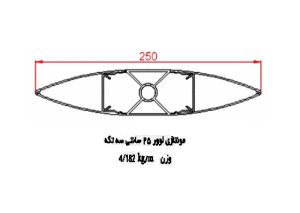
Introduction:
Louver assemblies, a common feature in architecture and industrial design, play a crucial role in balancing aesthetics, functionality, and environmental control. These assemblies consist of a series of angled slats or blades arranged to permit the passage of air and light while preventing the entry of rain, direct sunlight, or unwanted views. In this article, we will delve into the intricacies of louver assembly, examining their various forms, functions, and applications.
Design and Construction:
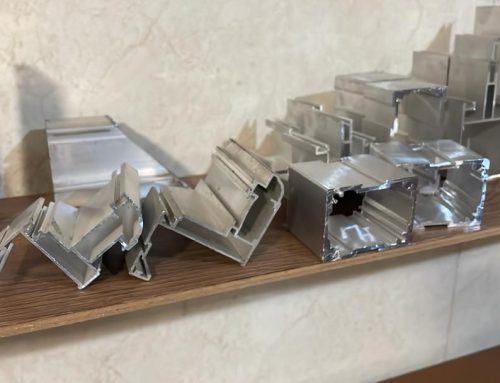
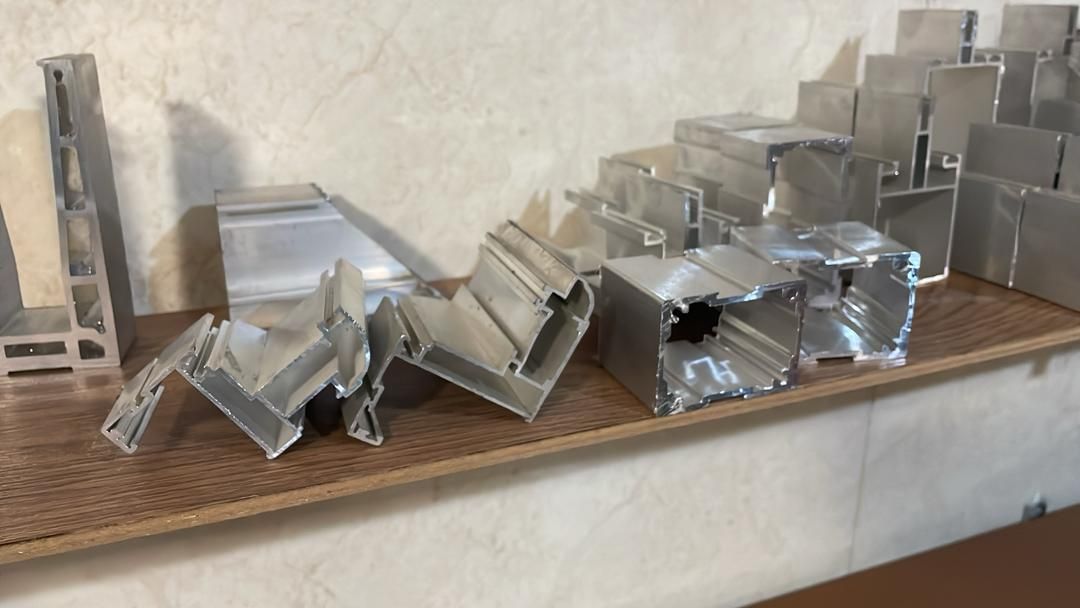
Louver assemblies come in diverse designs, ranging from simple fixed-angle louvers to more complex adjustable or motorized systems. The basic components include slats or blades, a frame, and a mechanism for adjustment. The materials used in construction can vary, with common choices including aluminum, steel, wood, or even composite materials.
The orientation, size, and spacing of the blades are critical factors in the design, influencing the assembly’s effectiveness in controlling airflow, light, and privacy. Engineers and architects carefully consider these aspects to achieve the desired balance between aesthetics and functionality.
Functionality:
Ventilation: Louver assemblies are often strategically placed in building designs to facilitate natural ventilation. The angled slats allow air to flow freely while preventing the ingress of rain or other undesirable elements.
Sunlight Control: Louvers are an effective means of managing sunlight penetration into a space. Adjustable louvers provide the flexibility to regulate the amount of light entering a room, contributing to energy efficiency by reducing the need for artificial lighting.
Privacy: Louver assemblies are employed to create privacy screens, especially in urban environments where buildings are in close proximity. By adjusting the angle of the blades, occupants can control visibility from the outside.
Rain Defense: The angled design of louvers is particularly effective in shielding openings from rain, allowing for ventilation even during inclement weather.
Applications:
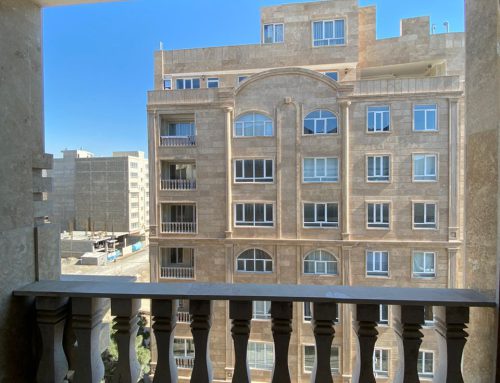
Architectural Facades: Louver assemblies are frequently integrated into building facades to enhance architectural aesthetics while serving practical purposes such as sun shading and ventilation.
HVAC Systems: Louvers are essential components in heating, ventilation, and air conditioning (HVAC) systems. They help in directing airflow, preventing the entry of debris and optimizing the efficiency of the system.
Industrial and Manufacturing Facilities: Louver assemblies find applications in industrial settings to control airflow and temperature, providing ventilation in areas where maintaining specific environmental conditions is critical.
Automotive Design: Louvers are incorporated into the design of some vehicles for both aesthetic and functional purposes, contributing to aerodynamics and engine cooling.
Innovations in Louver Technology:
Smart Louvers: With advancements in technology, some louver systems are now equipped with sensors and actuators, allowing for automated adjustments based on environmental conditions such as temperature, sunlight, or wind speed.
Energy Efficiency: Louver assemblies are increasingly being designed with a focus on energy efficiency. Innovations include materials with high thermal performance and designs that maximize natural lighting to reduce reliance on artificial lighting.
Maintenance and Durability:
Louver assemblies, like any architectural element, require proper maintenance to ensure longevity and optimal functionality. Regular cleaning and inspection are essential to prevent the accumulation of debris that could impede airflow or hinder adjustments. The choice of materials also influences the durability of louvers, with corrosion-resistant materials like aluminum being popular for outdoor applications.
Challenges and Considerations:
While louvers offer numerous benefits, there are challenges associated with their design and installation. Achieving the right balance between aesthetics and functionality can be demanding, and improper design may result in reduced efficiency or compromised visual appeal. Additionally, ensuring that the louvers are weather-resistant and can withstand environmental conditions is crucial for their long-term performance.
Regulatory Compliance:
Louver assemblies must often adhere to building codes and regulations, especially in terms of fire safety, accessibility, and environmental impact. Compliance with these standards is essential to ensure the safety and well-being of building occupants and to meet legal requirements.
Case Studies:
Examining real-world applications of louver assemblies provides valuable insights into their effectiveness and versatility. Case studies could include examples of how louvers have been utilized in specific architectural projects, industrial facilities, or sustainable building designs.
Future Trends:
The future of louver assemblies is likely to be influenced by emerging trends in architecture, technology, and sustainability. Innovations may include more advanced automation, integration with smart building systems, and the development of eco-friendly materials that enhance both performance and environmental impact.
References:
Stay informed and delve deeper into the world of louver assemblies by exploring academic papers, industry publications, and case studies. References to authoritative sources and relevant literature will provide readers with an opportunity to expand their understanding of the intricacies involved in louver design, construction, and application.
Acknowledgments:
Recognize the contributions of professionals, researchers, and industry experts who have made significant advancements in the field of louver assemblies. Acknowledging the collaborative efforts involved in pushing the boundaries of design and functionality adds depth to the understanding of the subject.
Engaging with the Audience:
Encourage readers to share their thoughts, experiences, or questions related to louver assemblies. Engaging with the audience fosters a sense of community and allows for the exchange of ideas. Whether through comments, social media, or forums, creating a space for dialogue enhances the overall impact of the article.
Stay Informed:
Invite readers to stay informed about the latest developments in louver technology, architectural design, and sustainable practices. Providing recommendations for reputable websites, conferences, or organizations focused on these topics ensures that readers can continue their exploration beyond the scope of the article.
Author Bio:
Conclude the article with a brief author biography. Highlight the author’s expertise, qualifications, or experience in the field of architecture, design, or related areas. This adds credibility to the information presented and establishes the author as a knowledgeable voice in the subject matter.
Connect on Social Media:
Encourage readers to connect with the author on social media platforms for updates on related topics, discussions, and additional content. Building an online community fosters continued engagement and allows readers to stay connected with the author’s insights.
Feedback and Improvement:
Finally, invite constructive feedback from readers. Acknowledge that the field of louver assemblies is dynamic, and there is always room for improvement and refinement. This not only creates a sense of openness but also sets the stage for future articles and discussions on evolving trends and advancements in the world of architectural design.
Remember, the goal of this article is not only to inform but also to inspire curiosity and ongoing exploration. By covering a broad spectrum of topics related to louver assemblies, readers can gain a comprehensive understanding of their significance and potential in shaping the future of architectural design and environmental control , Louver assembly , Louver assembly , Louver assembly.

Leave A Comment