
Angle roof rail
Introduction
Angle roof rail ,In the realm of modern architecture, every detail plays a crucial role in achieving both aesthetic appeal and functional excellence. One such detail that has gained prominence in recent years is the angle roof rail. This architectural element not only adds a distinctive visual touch to structures but also serves practical purposes in terms of design flexibility and environmental sustainability.
Design Flexibility:
Angle roof rails contribute to the overall design flexibility of a structure. Architects and designers can use them to create visually striking rooflines that break away from traditional, straight-line designs. The angled appearance of these roof rails adds a dynamic and contemporary edge to buildings, making them stand out in the urban landscape.
Moreover, the flexibility offered by angle roof rails allows for the incorporation of unique shapes and forms in architectural design. This versatility enables architects to experiment with different angles, slopes, and dimensions, resulting in buildings that are not only functional but also visually captivating.
Aesthetic Appeal:
The aesthetic appeal of angle roof rails lies in their ability to introduce a sense of movement and modernity to a structure. Whether used in residential, commercial, or public buildings, these angular elements create a visually engaging and memorable architectural statement.
The angles in roof rails can be tailored to suit the specific design intent, whether it’s a subtle incline for a minimalist look or a more dramatic slope for a bold and avant-garde appearance. Additionally, the interplay of light and shadow on the angled surfaces adds depth and dimension, enhancing the overall visual interest of the building.
Environmental Sustainability:
Beyond their aesthetic benefits, angle roof rails also contribute to environmental sustainability in architecture. By incorporating angles into roof designs, architects can optimize the capture of natural light and facilitate rainwater harvesting. This not only reduces the reliance on artificial lighting but also promotes eco-friendly practices in water management.
Furthermore, the angled surfaces of these roof rails can be strategically utilized to accommodate solar panels, harnessing solar energy to power the building. This integration of renewable energy sources aligns with the growing emphasis on sustainable and green building practices.
Application in Different Architectural Styles:
Angle roof rails find versatile applications across various architectural styles, adapting seamlessly to the unique characteristics of each design approach. In contemporary and minimalist architecture, the clean lines and dynamic angles of these roof rails complement the sleek and uncluttered aesthetic. The result is a structure that exudes modernity and sophistication, capturing the essence of the architectural zeitgeist.
In contrast, traditional and historical buildings can benefit from angle roof rails as well, offering a contemporary twist to classic designs. This juxtaposition of old and new creates a captivating visual dialogue that preserves the heritage of the past while embracing the innovations of the present. The adaptability of angle roof rails allows architects to bridge the gap between different architectural eras, fostering a harmonious coexistence of styles.
Engineering Ingenuity:
The implementation of angle roof rails requires a keen understanding of structural engineering principles. Architects collaborate with engineers to ensure that the chosen angles not only meet aesthetic objectives but also adhere to safety and stability standards. Advanced modeling and simulation technologies aid in the precise determination of load-bearing capacities and stress distribution, ensuring that the structure remains resilient and durable.
Additionally, the material selection for angle roof rails plays a crucial role in their performance and longevity. Modern construction materials, such as lightweight yet robust alloys and composite materials, allow architects to achieve the desired aesthetic without compromising on structural integrity. This synergy between architectural vision and engineering expertise exemplifies the interdisciplinary nature of contemporary design.
Public Spaces and Landmarks:
Angle roof rails are not limited to private residences or commercial buildings; they also make a significant impact in public spaces and landmarks. Iconic structures, such as museums, civic centers, and public art installations, leverage the distinctive silhouette created by these angular roof elements to become memorable focal points in urban landscapes.
Public spaces benefit from the visual interest and identity that angle roof rails bring to the environment. The incorporation of these elements in landmark structures contributes to the cultural and architectural character of a city, fostering a sense of pride and connection among its residents.
Challenges and Considerations:
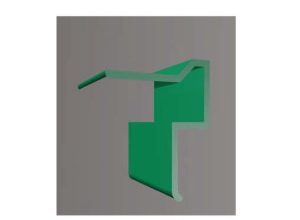
While angle roof rails bring numerous advantages to architectural design, their implementation is not without challenges. Architects and designers must carefully consider factors such as local building codes, climate conditions, and the surrounding landscape when incorporating these elements into their projects.
Local building codes and regulations may impose restrictions on the angles and slopes allowed for roofs. It is essential for architects to collaborate closely with regulatory authorities to ensure that the design meets safety standards and complies with local ordinances. Additionally, the impact of climate conditions, such as heavy snow loads or high winds, must be taken into account to guarantee the structural stability and longevity of buildings with angle roof rails.
Maintenance is another aspect that requires attention. The unique geometry of these roof elements may pose challenges in terms of cleaning and upkeep. Architects should consider practical solutions to make maintenance more accessible and cost-effective, ensuring that the visual appeal of the structure is preserved over time.
Cost Implications:
The incorporation of angle roof rails may have cost implications, especially if the design requires specialized materials, engineering expertise, or complex construction methods. Architects and project stakeholders should carefully evaluate the budgetary considerations associated with implementing these elements. However, it is important to recognize that the long-term benefits, such as energy efficiency and sustainability, may offset the initial investment.
Future Trends:
As the field of architecture continues to evolve, it’s likely that angle roof rails will remain a prominent feature in innovative designs. Advancements in technology, such as parametric design and 3D modeling, provide architects with powerful tools to explore and experiment with complex geometries. This opens up new possibilities for pushing the boundaries of architectural expression and creating structures that are both functional and visually captivating.
Moreover, the growing emphasis on sustainable and eco-friendly design practices is expected to drive further innovation in the use of angle roof rails. Architects may increasingly integrate these elements not only for their aesthetic appeal but also as integral components of energy-efficient and environmentally conscious building designs.
In Conclusion:
Angle roof rails represent a contemporary and versatile design element that has found its place in the ever-evolving world of architecture. From design flexibility to environmental sustainability, these angular roof features offer a range of benefits that contribute to the overall aesthetic and functional success of a building. As architects continue to explore new possibilities and push the boundaries of conventional design, angle roof rails are likely to remain a defining feature of modern and future architectural landscapes.
Angle roof rail

Leave A Comment