
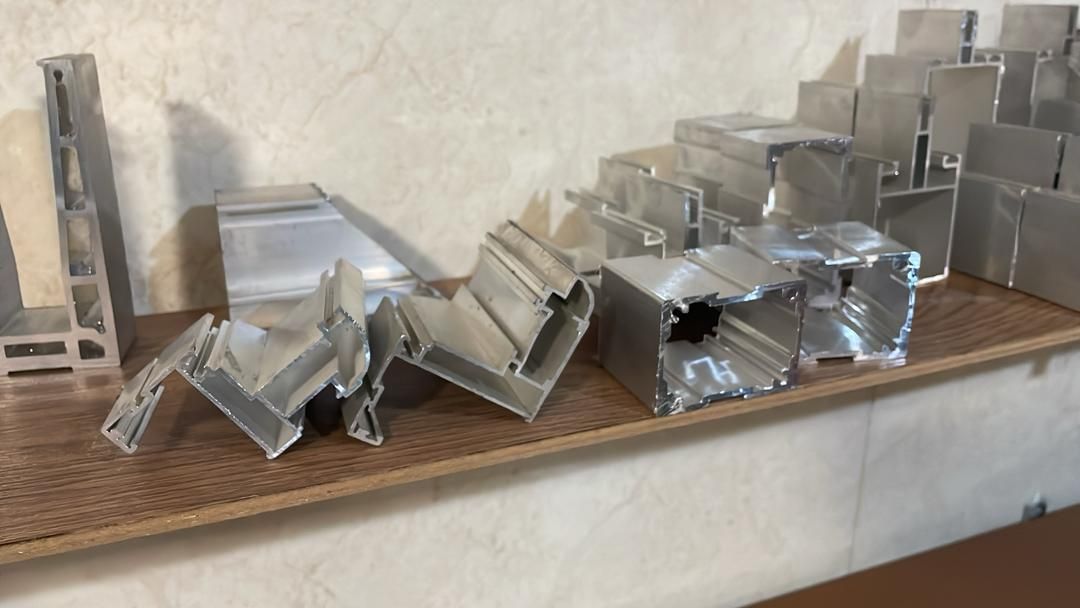
Rectangle-shaped louver profile
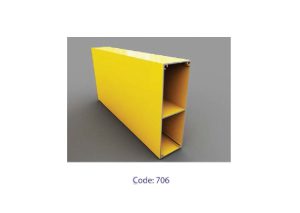
Introduction:
In the world of architectural design and functional aesthetics, the rectangle-shaped louver profile stands out as a versatile and visually appealing element. Louvers, or slatted openings, have been employed for centuries to enhance the aesthetics of buildings while serving practical purposes such as ventilation, sun shading, and privacy. The rectangular louver profile, in particular, combines form and function in a seamless manner, offering architects and designers a wide array of creative possibilities.
Versatility in Design:
One of the primary advantages of rectangle-shaped louver profiles lies in their versatility. Unlike some more intricate louver shapes, the simplicity of rectangles allows for easy integration into various architectural styles. Whether incorporated into modern, minimalist designs or traditional, classic structures, rectangle-shaped louvers complement the overall aesthetic while providing a clean and sophisticated appearance.
Furthermore, these profiles can be customized to suit the specific requirements of a project. The dimensions of the louvers can be adjusted to control the amount of sunlight entering a space, offering architects the flexibility to balance natural light with the need for shade. This adaptability makes rectangle-shaped louvers a valuable tool in achieving both aesthetic and functional goals.
Efficient Sun Shading:
One of the key functions of louvers is sun shading, and the rectangular profile excels in this regard. The horizontal arrangement of slats efficiently blocks direct sunlight while still allowing diffused light to enter a space. This not only helps in creating a comfortable and well-lit interior but also contributes to energy efficiency by reducing the need for artificial lighting and cooling systems.
Privacy and Ventilation:
Rectangle-shaped louvers are equally effective in providing privacy and promoting ventilation. When strategically placed, these louvers act as a barrier to prying eyes without obstructing airflow. This is particularly beneficial for residential and commercial spaces where privacy is essential, and maintaining a comfortable indoor environment is crucial.
Materials and Sustainability:
The materials used in constructing rectangle-shaped louver profiles play a significant role in their overall effectiveness and durability. Commonly crafted from materials like aluminum, wood, or composite materials, these louvers are designed to withstand the elements while maintaining their structural integrity. Additionally, the use of sustainable materials aligns with modern architectural trends that emphasize environmentally friendly practices.
Maintenance and Longevity:
Beyond their initial installation, rectangle-shaped louver profiles offer the added benefit of minimal maintenance. The straightforward design with fewer intricate details makes cleaning and upkeep more straightforward compared to some more elaborate louver configurations. This aspect contributes to the longevity of the structure, ensuring that the louvers remain both functional and visually appealing over time.
Integration with Smart Technologies:
In the era of smart buildings and advanced technologies, rectangle-shaped louvers can be seamlessly integrated into automated systems. Motorized louvers, controlled by sensors or programmable schedules, enable precise adjustments to the angle of the slats. This level of automation not only enhances user comfort by adapting to changing weather conditions but also adds a layer of energy efficiency by optimizing the use of natural light and ventilation.
Creative Architectural Statements:
Rectangle-shaped louvers are not just utilitarian; they can also serve as focal points in architectural design. By playing with the spacing, size, and orientation of the louvers, architects can create captivating visual effects. Whether used as dynamic façade elements or incorporated into interior partitions, these louvers provide a canvas for creative expression while maintaining their fundamental functional roles.
Examples in Contemporary Architecture:
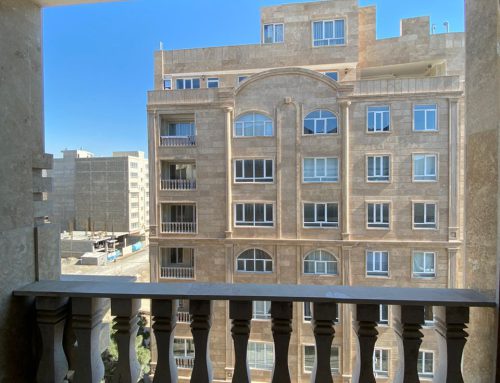
Numerous examples of buildings around the world showcase the effective use of rectangle-shaped louvers in contemporary architecture. From sleek urban skyscrapers to sustainable residential designs, architects are embracing the versatility of these profiles. The play of light and shadow created by precisely aligned rectangles adds depth and interest to building exteriors, contributing to the overall character of the structure.
Embracing Sustainable Design:
The rectangle-shaped louver profile has found renewed relevance in the context of sustainable design. As the architectural industry increasingly prioritizes eco-friendly practices, these louvers contribute to energy efficiency by reducing the reliance on artificial lighting and climate control systems. The careful placement of rectangle-shaped louvers can harness natural resources, such as sunlight and airflow, to create environmentally conscious spaces.
Case studies demonstrate how architects and designers have leveraged rectangle-shaped louvers to achieve sustainable goals. By optimizing the orientation of buildings and strategically placing louvers to control solar gain, structures can minimize their carbon footprint and reliance on non-renewable energy sources. This synergy between form and function exemplifies the role of rectangle-shaped louvers in shaping a more sustainable future for architecture.
Human-Centric Design:
Beyond their technical advantages, rectangle-shaped louvers contribute to human-centric design principles. The controlled diffusion of natural light through these louvers creates visually dynamic interiors, fostering a connection between the built environment and its occupants. The interplay of light and shadow adds a layer of depth to spaces, enhancing the overall experience for those within.
Furthermore, the incorporation of louvers in architectural design addresses the well-being of occupants by creating environments that balance exposure to natural elements. Controlled ventilation and daylighting positively impact the health and productivity of building users. In this way, rectangle-shaped louvers are not just functional elements but integral components of designs that prioritize the holistic well-being of individuals.
Future Trends and Innovations:
Looking ahead, the role of rectangle-shaped louvers in architecture is poised to evolve with technological advancements and changing design preferences. Innovations in materials, such as the development of smart and self-adjusting louvers, will enhance the efficiency and adaptability of these profiles. Architects may explore novel ways to integrate louvers into unconventional spaces, pushing the boundaries of traditional design norms.
As the demand for sustainable architecture grows, rectangle-shaped louvers will likely remain at the forefront of design choices. Their ability to harmonize with contemporary aesthetics, support green building initiatives, and contribute to occupant well-being positions them as a staple in the ever-evolving landscape of architectural trends.
Conclusion:
In the realm of architectural design, the rectangle-shaped louver profile emerges as a timeless and versatile element that seamlessly blends aesthetics with functionality. Its clean lines, adaptability, and efficiency in sun shading, ventilation, and privacy make it a favored choice for architects and designers seeking a balance between form and purpose. As sustainable design practices continue to gain prominence, the rectangle-shaped louver profile stands as a testament to the enduring appeal of simple, elegant solutions in the built environment.

Leave A Comment