
Electrical louver profile
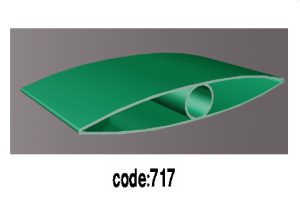
Introduction:
Electrical louver profile , In the ever-evolving world of architecture, the integration of advanced technologies has become a key driver of innovation. One such innovation that has gained prominence in recent years is the use of electrical louver profiles. These sophisticated systems not only enhance the aesthetic appeal of buildings but also contribute significantly to energy efficiency and environmental sustainability.
Understanding Electrical Louver Profiles:
Electrical louver profiles are dynamic architectural elements designed to provide control over natural light, ventilation, and privacy within a building. Unlike traditional louvers that require manual adjustment, electrical louver profiles are equipped with motorized systems that allow for automated control. This technology enables precise adjustments based on factors such as time of day, weather conditions, and occupant preferences.
Key Features and Benefits:
- Adaptive Sunlight Control: Electrical louver profiles excel in managing sunlight penetration into a building. By automatically adjusting the angle and orientation of the louvers, they optimize natural light levels, reducing the reliance on artificial lighting and creating a more comfortable indoor environment. This not only enhances the well-being of occupants but also contributes to energy savings.
- Ventilation Management: The ability to regulate airflow is another key advantage of electrical louver profiles. By opening or closing the louvers based on environmental conditions, these systems can enhance natural ventilation, improving indoor air quality and reducing the need for mechanical ventilation systems. This feature is particularly valuable in regions with varying climates.
- Privacy Control: Electrical louver profiles offer a high degree of privacy control. Occupants can adjust the louvers to limit external visibility while still allowing natural light to enter. This feature is especially beneficial for buildings in urban environments or locations with close proximity to neighboring structures.
- Energy Efficiency: The dynamic nature of electrical louver profiles contributes to overall energy efficiency in a building. By optimizing natural light and ventilation, these systems reduce the reliance on artificial lighting, heating, and cooling systems. This, in turn, leads to lower energy consumption and operational costs.
- Smart Building Integration: In the era of smart buildings, electrical louver profiles can be seamlessly integrated into building automation systems. This allows for centralized control, remote monitoring, and even the incorporation of sensors to respond to real-time environmental conditions. Such integration enhances the overall intelligence and responsiveness of the building.
Applications in Modern Architecture:
Electrical louver profiles find applications across a wide range of architectural designs, from residential and commercial buildings to educational institutions and healthcare facilities. Their adaptability and versatility make them suitable for various climates and design preferences.
Challenges and Considerations:
While electrical louver profiles bring a host of benefits to modern architecture, their implementation comes with certain challenges and considerations. Maintenance of the motorized components, potential system failures, and the initial cost of installation are factors that architects and building owners must carefully weigh. Additionally, there is a learning curve associated with integrating these systems into the broader building management infrastructure.
Technological Advancements:
As technology continues to advance, so do electrical louver profiles. New materials, sensors, and control systems are constantly being developed, enhancing the efficiency and reliability of these architectural elements. Future iterations may include features such as self-adjusting algorithms based on machine learning and artificial intelligence, further refining the adaptability and responsiveness of these systems.
Environmental Impact:
The environmental impact of electrical louver profiles extends beyond energy efficiency. By optimizing natural light and reducing reliance on artificial lighting, these systems contribute to lower carbon footprints and promote sustainable building practices. As the global focus on environmental conservation intensifies, the adoption of such technologies becomes integral to responsible architectural design.
Case Studies:
Several notable architectural projects around the world have embraced electrical louver profiles as a central design element. These case studies serve as practical demonstrations of the positive impact of these systems. From iconic skyscrapers to eco-friendly residences, architects are increasingly recognizing the value of incorporating dynamic louver profiles into their designs.
Future Trends:
Looking ahead, it is evident that electrical louver profiles will continue to evolve and shape the landscape of modern architecture. The convergence of sustainable practices and technological innovation is likely to drive further advancements in this field. Architects and designers can anticipate more seamless integration with smart building systems, enhanced durability, and even greater design flexibility.
Implementation Strategies:
Architects and building professionals interested in incorporating electrical louver profiles into their designs must consider a strategic approach. Collaborating with experienced manufacturers and specialists in building automation is crucial to ensuring a seamless integration process. Additionally, thorough feasibility studies, considering the unique needs of each project, can guide decision-making regarding the size, type, and placement of louver systems.
User Experience and Feedback:
User experience is a critical aspect of architectural design, and electrical louver profiles are no exception. Gathering feedback from building occupants regarding their experience with these systems can provide valuable insights. Understanding user preferences, ease of operation, and any potential challenges can inform adjustments and improvements for future projects, fostering a continuous cycle of refinement and innovation.
Regulatory Compliance:
As with any architectural element, compliance with building codes and regulations is paramount. Electrical louver profiles may be subject to specific standards, depending on the region and type of building. Architects and designers should stay informed about these regulations to ensure that their designs not only meet aesthetic and functional goals but also adhere to safety and legal requirements.
Training and Education:
Given the technological sophistication of electrical louver profiles, providing training and educational resources for building owners, facility managers, and maintenance staff is essential. This ensures that these stakeholders can maximize the benefits of the system, troubleshoot minor issues, and perform routine maintenance. Well-informed users contribute to the longevity and effective operation of these dynamic architectural features.
Global Impact and Sustainability:
The global impact of incorporating electrical louver profiles extends beyond individual buildings. As more structures adopt energy-efficient and sustainable technologies, the collective positive impact on the environment becomes increasingly significant. Architects and developers are thus not only contributing to the efficiency of their own projects but also participating in a broader movement toward greener, more sustainable urban environments.
Conclusion – Shaping the Future of Architecture:
In conclusion, electrical louver profiles represent a transformative force in modern architecture, offering a dynamic solution to the evolving challenges of energy efficiency, user comfort, and environmental sustainability. While challenges exist, the continual refinement of these systems, coupled with strategic implementation and user feedback, positions electrical louver profiles as integral components in the toolkit of forward-thinking architects.
As the architectural landscape continues to evolve, driven by a commitment to sustainable practices and technological innovation, electrical louver profiles are poised to play an increasingly central role. Through careful consideration of design principles, user experience, and ongoing advancements, architects can harness the full potential of these systems, shaping a future where buildings not only serve their functional purposes but also contribute positively to the well-being of occupants and the planet , Electrical louver profile.
Electrical louver profile.Electrical louver profile.Electrical louver profile.

Leave A Comment