
Ironmongeries and rubbers
Introduction:
Ironmongeries and rubbers are essential components in various industries and everyday life. From construction to manufacturing, these materials play a crucial role in ensuring the functionality, safety, and durability of structures and products. In this article, we will delve into the world of ironmongeries and rubbers, exploring their uses, types, and significance in different applications.
Ironmongeries:
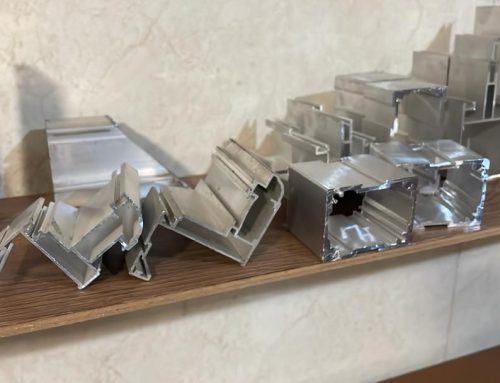
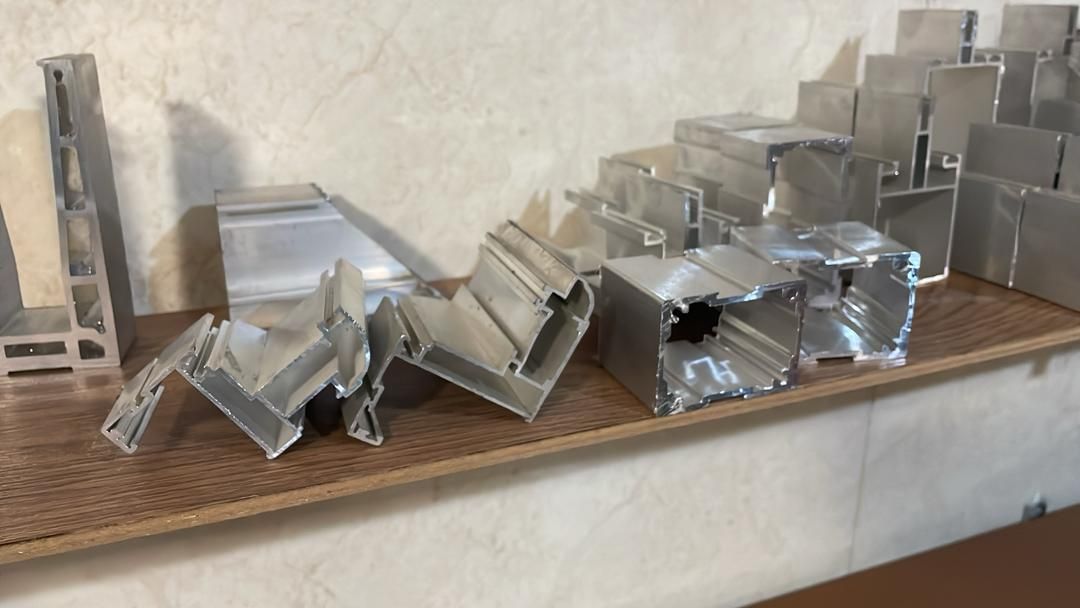
Ironmongery refers to the items made of iron used in construction and other related fields. These components are diverse and range from simple nuts and bolts to more complex fixtures like hinges, handles, and locks. Ironmongeries contribute to the structural integrity and aesthetic appeal of buildings, making them indispensable in construction and interior design.
- Types of Ironmongeries:
- Fasteners: Nuts, bolts, screws, and nails are essential fasteners used to join materials together. They come in various sizes and designs to accommodate different applications.
- Hinges: Essential for doors, windows, and cabinets, hinges facilitate movement and contribute to the overall functionality of these elements.
- Locks and Latches: Security is paramount in both residential and commercial spaces, and locks and latches provide the necessary means to safeguard doors and windows.
- Handles and Knobs: Beyond functionality, handles and knobs also contribute to the aesthetics of doors, cabinets, and furniture.
- Applications of Ironmongeries:
- Construction: Ironmongeries are integral to the construction industry, ensuring that structures are securely built and can withstand various environmental conditions.
- Interior Design: The choice of ironmongeries can greatly influence the overall design and style of interior spaces.
- Security Systems: Locks and other security-related ironmongeries are crucial for safeguarding homes, offices, and other premises.
Rubbers:
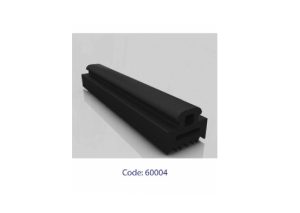
Rubbers, or elastomers, are flexible materials with the ability to return to their original shape after deformation. They find applications in diverse industries due to their elasticity, resilience, and insulating properties.
- Types of Rubbers:
- Natural Rubber: Derived from the latex of rubber trees, natural rubber is used in various products, including tires, footwear, and industrial goods.
- Synthetic Rubber: Produced through chemical processes, synthetic rubbers like neoprene and silicone offer specific properties suitable for different applications.
- Thermoplastic Elastomers (TPE): Combining the characteristics of plastic and rubber, TPEs are versatile materials used in automotive, consumer goods, and medical applications.
- Applications of Rubbers:
- Automotive Industry: Tires, gaskets, and seals are critical rubber components in the automotive sector.
- Consumer Goods: Rubber is found in everyday products such as footwear, sporting goods, and kitchen utensils.
- Industrial Applications: Rubber’s insulating and shock-absorbing properties make it valuable in industrial settings, where it is used in machinery, gaskets, and seals.
Ironmongeries and Rubbers in Harmony: Common Applications and Synergies
Beyond their individual roles, ironmongeries and rubbers often work in tandem to enhance the performance and longevity of various products and structures. The synergy between these materials is evident in numerous applications across different industries.
- Weatherproofing and Sealing:
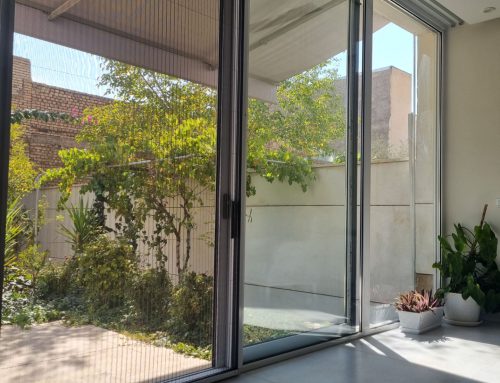
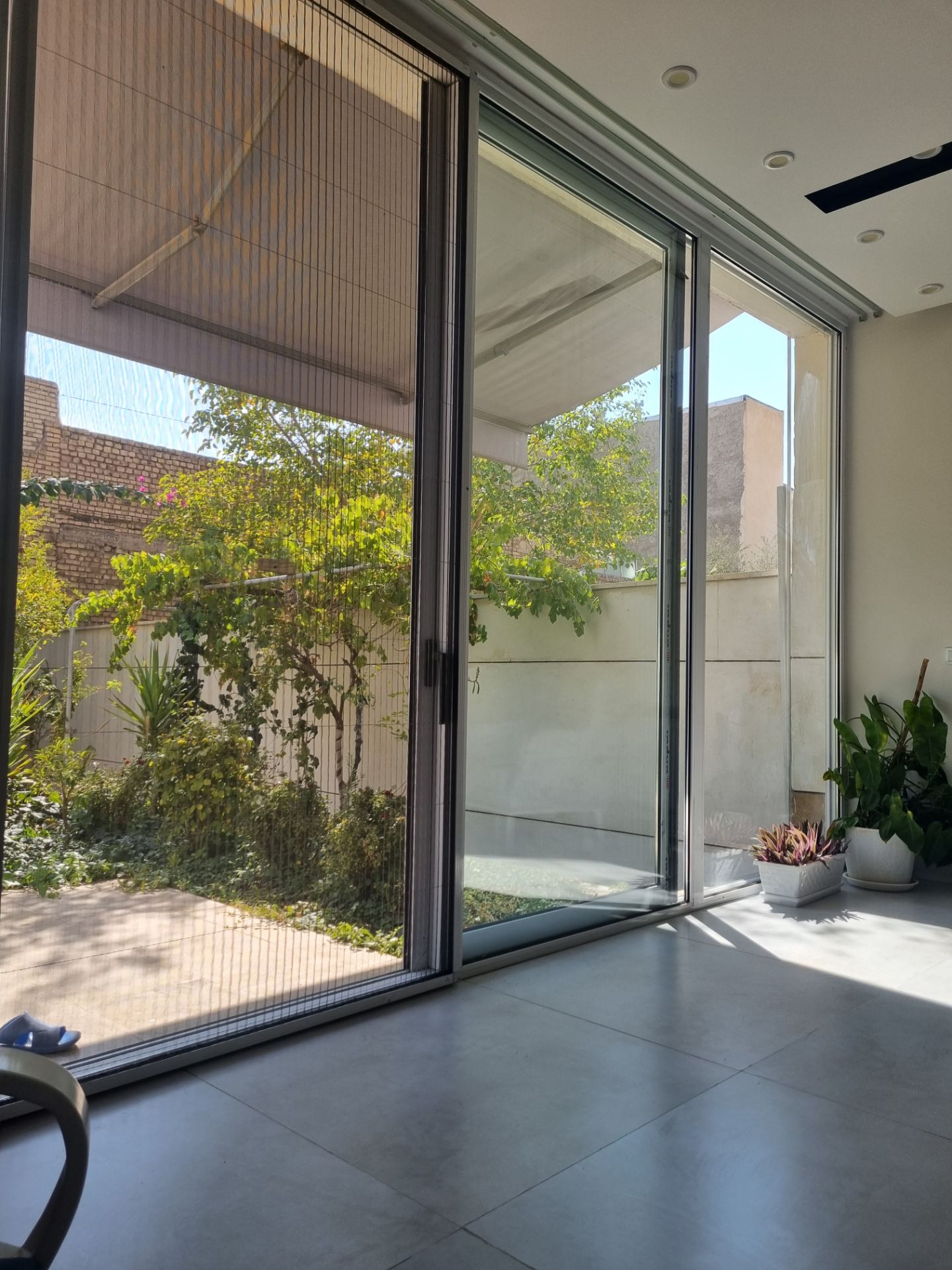
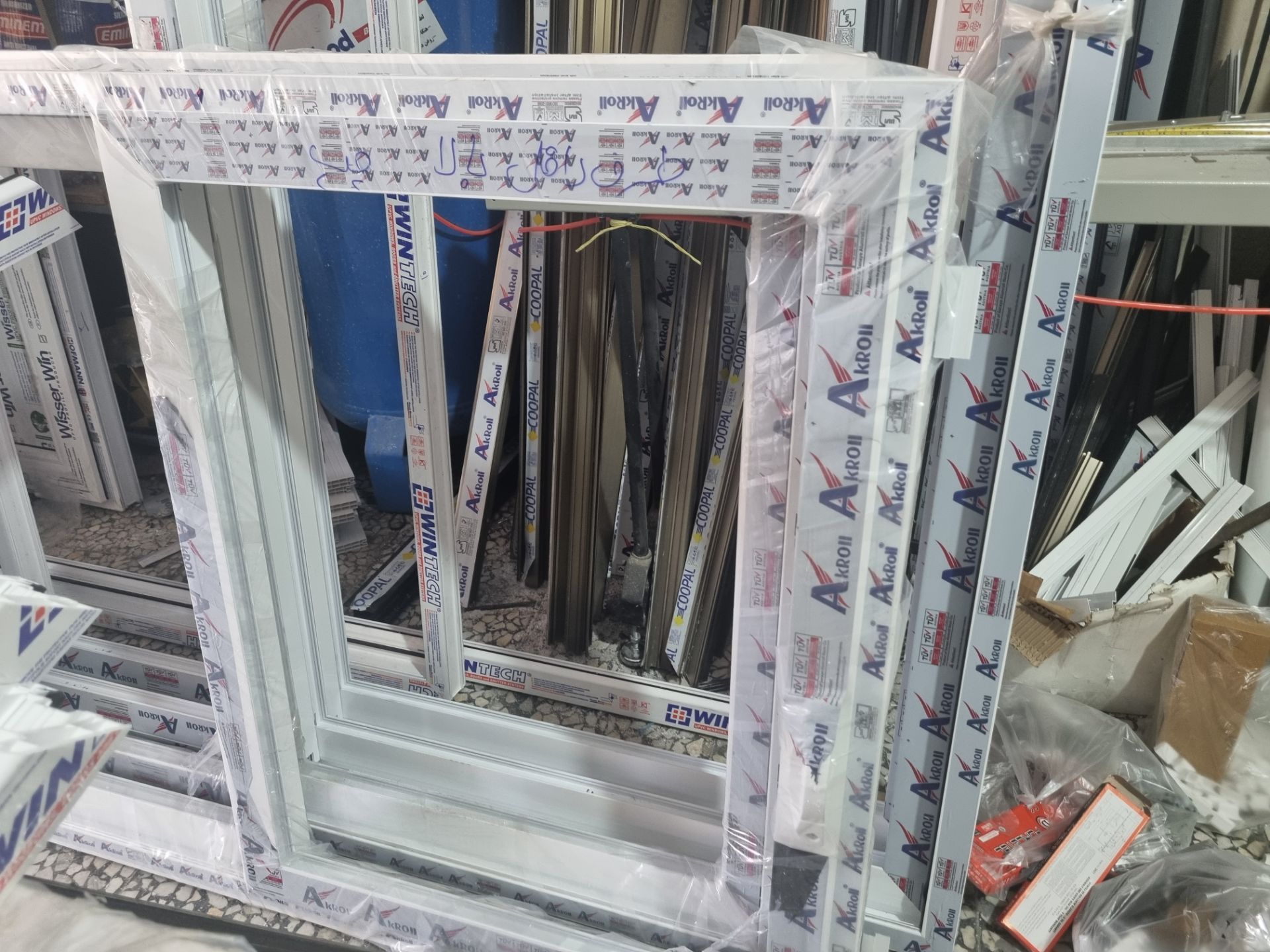
- Doors and Windows: Rubber gaskets and seals, paired with sturdy hinges and locks, provide effective weatherproofing for doors and windows. This combination ensures a tight seal, preventing drafts, water ingress, and enhancing energy efficiency in buildings.
- Automotive Engineering:
- Vibration Isolation: In the automotive industry, rubber components, such as bushings and mounts, play a critical role in isolating vibrations. This is especially important for improving ride comfort and protecting sensitive electronic components.
- Furniture Design:
- Soft-Close Mechanisms: Ironmongeries like hinges and drawer slides, coupled with rubber dampers, contribute to the popular soft-close feature in modern furniture. This not only adds a touch of luxury but also extends the life of the furniture by reducing wear and tear.
- Sports and Recreation:
- Athletic Equipment: Rubberized grips on handles and the use of ironmongeries like fasteners and brackets are common in sports equipment. From bicycles to gym machines, these materials ensure a comfortable and secure user experience.
- Plumbing and Piping:
- Sealing Solutions: Rubber gaskets and O-rings are essential in plumbing systems, ensuring leak-proof connections in pipes and fittings. Ironmongeries like clamps and brackets support the overall stability of the plumbing infrastructure.
- Electronic Devices:
- Shock Absorption: Rubberized components in electronic devices, such as smartphones and laptops, provide shock absorption, protecting delicate internal components from impact. This, combined with precision-engineered ironmongeries, contributes to the overall durability of these devices.
- Medical Applications:
- Medical Devices: Rubber materials, often combined with ironmongeries for structural support, are used in medical equipment and devices. Their biocompatibility and flexibility make them suitable for applications ranging from seals in infusion pumps to ergonomic grips on surgical instruments.
In embracing the symbiosis between ironmongeries and rubbers, industries can create products and structures that not only meet functional requirements but also stand the test of time. The careful selection and integration of these materials contribute to enhanced safety, durability, and user satisfaction across diverse applications.
Challenges and Innovations: Despite their widespread use, ironmongeries and rubbers face challenges such as corrosion, wear, and environmental impact. Innovations in materials science and engineering are addressing these issues. For instance, the development of corrosion-resistant coatings for ironmongeries and the creation of eco-friendly rubber alternatives are contributing to more sustainable and resilient solutions.
Environmental Considerations and Sustainable Practices:
In recent years, there has been a growing awareness of the environmental impact of materials used in construction and manufacturing. Both ironmongeries and rubbers have faced scrutiny in terms of their sustainability. Manufacturers and designers are increasingly adopting eco-friendly practices and exploring recycled materials to mitigate the environmental footprint.
- Recyclability: Many ironmongeries, especially those made from metals, can be recycled. Recycling reduces the demand for raw materials and lessens the energy required for manufacturing. Moreover, rubber can be repurposed into secondary applications, such as playground surfaces or recycled rubber products.
- Green Certifications: The construction industry, in particular, is witnessing a shift towards green building practices. Ironmongeries that meet certain environmental standards, such as those certified by programs like Leadership in Energy and Environmental Design (LEED), are gaining popularity. Similarly, rubber products adhering to sustainable certifications contribute to environmentally conscious design.
- Biodegradable Rubbers: Researchers are exploring the development of biodegradable rubber alternatives to address concerns about the persistence of rubber waste. These innovations aim to balance the material’s desirable properties with a reduced environmental impact, ensuring that end-of-life disposal is more sustainable.
The Future of Ironmongeries and Rubbers:
As technology advances and industries evolve, the future of ironmongeries and rubbers is poised for exciting developments.
- Smart Integration: The integration of smart technologies into ironmongeries is becoming more prevalent. Smart locks, hinges, and handles that can be controlled remotely or through mobile apps are examples of how technology is enhancing the functionality and security of these components.
- Advanced Rubber Materials: The development of advanced rubber materials with improved durability, flexibility, and eco-friendliness is a focal point for researchers. Innovations in synthetic rubbers and sustainable sourcing methods are expected to shape the next generation of rubber products.
- Circular Economy Practices: Embracing circular economy principles, where materials are reused, recycled, and repurposed, will likely play a significant role in the future of both ironmongeries and rubbers. Designing products with disassembly and recycling in mind can contribute to a more sustainable life cycle.
In conclusion, the journey through the world of ironmongeries and rubbers unveils not only their current significance but also their evolving role in a sustainable and technologically advanced future. As industries continue to prioritize environmental responsibility and innovation, we can anticipate the emergence of solutions that harmonize functionality, durability, and environmental stewardship in the realm of ironmongeries and rubbers.



Leave A Comment