
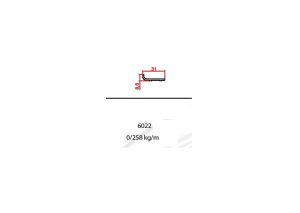
Raw glass Takoz profile
Introduction:
Curtain wall systems play a crucial role in modern architectural design, offering not only aesthetic appeal but also functionality and energy efficiency. Among the various components that contribute to the effectiveness of curtain walls, the raw glass Takoz profile has gained significant attention for its unique properties and benefits. In this article, we will delve into the characteristics and advantages of incorporating raw glass Takoz profiles in curtain wall systems.
Understanding Raw Glass Takoz Profile:
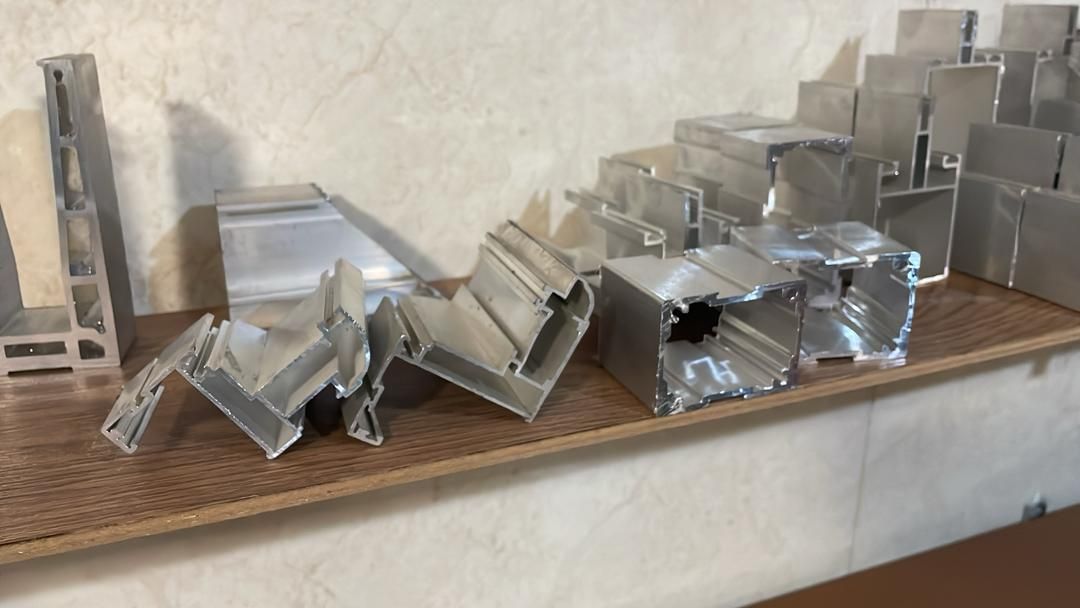
The term “Takoz” refers to a specific profile design that resembles a trapezoidal shape. When applied to curtain wall systems, the raw glass Takoz profile offers a distinctive and contemporary look, making it a popular choice among architects and designers.
Advantages of Raw Glass Takoz Profile:
- Aesthetics and Design Flexibility:
- Raw glass Takoz profiles contribute to a sleek and modern appearance, enhancing the overall aesthetic appeal of the building. The trapezoidal shape creates a visually interesting pattern, adding a touch of uniqueness to the façade.
- Natural Light Optimization:
- The design of the Takoz profile allows for maximum light penetration. This is particularly advantageous in curtain wall systems, where the goal is often to maximize natural light within the building’s interior. The trapezoidal shape minimizes obstructions, facilitating the flow of sunlight into the space.
- Energy Efficiency:
- Raw glass Takoz profiles can be designed to optimize energy efficiency. The use of high-performance glass in combination with the Takoz profile can contribute to improved insulation and reduced energy consumption. This is essential for maintaining comfortable indoor temperatures and lowering overall energy costs.
- Versatility in Installation:
- The adaptability of raw glass Takoz profiles allows for versatile installation options. Architects can explore creative design possibilities, such as varying angles and configurations, to achieve specific visual effects. This flexibility contributes to the uniqueness of each curtain wall project.
- Durability and Low Maintenance:
- Glass, known for its durability, is a resilient material. When used in conjunction with the Takoz profile, it creates a robust curtain wall system that requires minimal maintenance. This is particularly beneficial in high-rise buildings or structures where accessibility for maintenance may be challenging.
- Customization and Personalization:
- Raw glass Takoz profiles can be customized to meet the specific design requirements of a project. This allows architects and designers to tailor the curtain wall system to fit the overall theme and character of the building, contributing to a cohesive and harmonious design.
- Sound Insulation:
- In addition to its visual and energy-related benefits, the raw glass Takoz profile also contributes to effective sound insulation. The structural properties of the glass, combined with the trapezoidal shape, help dampen external noises, creating a more peaceful and comfortable indoor environment. This is particularly valuable in urban settings where noise pollution can be a significant concern.
- Enhanced Structural Integrity:
- The raw glass Takoz profile, when properly engineered, enhances the overall structural integrity of the curtain wall system. The trapezoidal design provides stability and strength, ensuring the curtain wall can withstand various environmental forces, including wind loads and seismic activity. This is crucial for the safety and longevity of the building.
- Environmental Sustainability:
- As sustainability becomes an increasingly important consideration in modern architecture, the use of raw glass Takoz profiles aligns with eco-friendly practices. High-quality glass materials can be recycled, and the enhanced energy efficiency of the curtain wall system contributes to a reduction in the building’s overall environmental impact.
- UV Protection and Glare Reduction:
- The glass used in Takoz profiles can be treated to provide UV protection, preventing the harmful effects of prolonged sun exposure on interior furnishings and occupants. Additionally, the shape of the Takoz profile can help in reducing glare, improving the comfort of individuals inside the building while maintaining a connection with the outdoor environment.
- Cost-Effectiveness:
- While initial costs may vary, the long-term benefits of using raw glass Takoz profiles often outweigh the upfront investment. The durability, low maintenance requirements, and energy efficiency contribute to cost-effectiveness over the lifespan of the curtain wall system.
- Technological Advancements:
- Ongoing advancements in glass technology, including coatings and smart glass options, can further enhance the performance of raw glass Takoz profiles. Integrating these innovations can provide additional features such as dynamic shading, tint control, and improved thermal efficiency.
- Case Studies and Real-World Applications:
- Examining successful case studies of buildings that have implemented raw glass Takoz profiles provides valuable insights into the practical applications of this design. Architects and developers can learn from these examples to understand how the profile performs in different climates, architectural styles, and building functions.
- Challenges and Considerations:
- While the advantages of raw glass Takoz profiles are notable, it’s essential to acknowledge potential challenges and considerations. Factors such as local building codes, climate conditions, and maintenance requirements should be carefully evaluated during the planning and design phases to ensure the optimal performance and longevity of the curtain wall system.
- Future Trends and Innovations:
- The field of architectural design is dynamic, with continuous advancements and trends shaping the industry. Future innovations in glass technology, sustainability practices, and smart building solutions may further elevate the capabilities and possibilities of raw glass Takoz profiles. Staying informed about these emerging trends is crucial for architects aiming to push the boundaries of design and functionality.
- Collaboration and Integration:
- Successful implementation of raw glass Takoz profiles often involves collaboration between architects, engineers, glass manufacturers, and construction teams. Seamless integration of the profile into the overall design requires effective communication and coordination among these stakeholders, emphasizing the importance of a multidisciplinary approach to curtain wall system projects.
- Recommendations for Architects and Developers:
- For architects and developers considering the incorporation of raw glass Takoz profiles in curtain wall systems, it is advisable to conduct thorough research and feasibility studies. Engaging with experienced glass manufacturers, structural engineers, and construction teams will provide valuable insights into the specific requirements and potential challenges associated with the chosen profile. Additionally, keeping abreast of industry standards and best practices ensures compliance with regulations and codes.
- Educating Stakeholders:
- As the use of raw glass Takoz profiles may represent a departure from more traditional curtain wall designs, it’s crucial to educate all stakeholders involved in the project. This includes clients, contractors, and end-users who may not be familiar with the unique features and benefits of this profile. Transparent communication about the aesthetic and functional advantages will contribute to a shared vision and understanding of the project goals.
- Global Adoption and Cultural Considerations:
- The adoption of raw glass Takoz profiles is not limited to a specific region or architectural style. However, cultural preferences, climate conditions, and local building practices should be considered during the design phase. Collaborating with local experts and incorporating elements that resonate with the cultural context can enhance the overall success and acceptance of the curtain wall system within a specific location.
- Continuous Learning and Adaptation:
- The field of architecture is ever-evolving, and staying informed about new developments is essential. Architects and designers should remain open to continuous learning and be willing to adapt their design approaches based on emerging technologies and changing environmental considerations. This mindset ensures that projects utilizing raw glass Takoz profiles remain at the forefront of innovation and sustainability.
-
Final Thoughts:
- In the dynamic world of architecture, the raw glass Takoz profile stands as a testament to the industry’s ability to combine aesthetics, functionality, and sustainability. As architects continue to push boundaries and explore innovative solutions, the use of raw glass Takoz profiles in curtain wall systems exemplifies a forward-thinking approach to design. By embracing this profile and its associated benefits, the architecture of the future has the potential to be both visually striking and environmentally responsible.
In conclusion, the journey of integrating raw glass Takoz profiles into curtain wall systems is not just about the creation of buildings but about shaping the way we interact with our environment. It represents a commitment to sustainable practices, a celebration of design ingenuity, and a collective effort to redefine the possibilities of modern architecture. As the architectural community continues to embrace and refine this profile, we can anticipate a future where buildings not only meet the needs of their occupants but also inspire and contribute positively to the world around them.

Leave A Comment