
Roof connection bracket
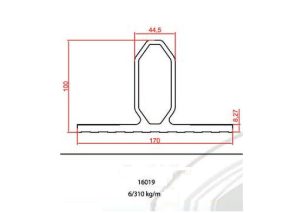
Introduction:
Curtain wall systems have become synonymous with modern architecture, providing aesthetically pleasing facades while maximizing natural light and energy efficiency. One crucial component in ensuring the structural integrity of curtain wall systems is the roof connection bracket. This often-overlooked element plays a pivotal role in securing the curtain wall to the building structure, offering both support and stability.
The Significance of Curtain Wall Systems:
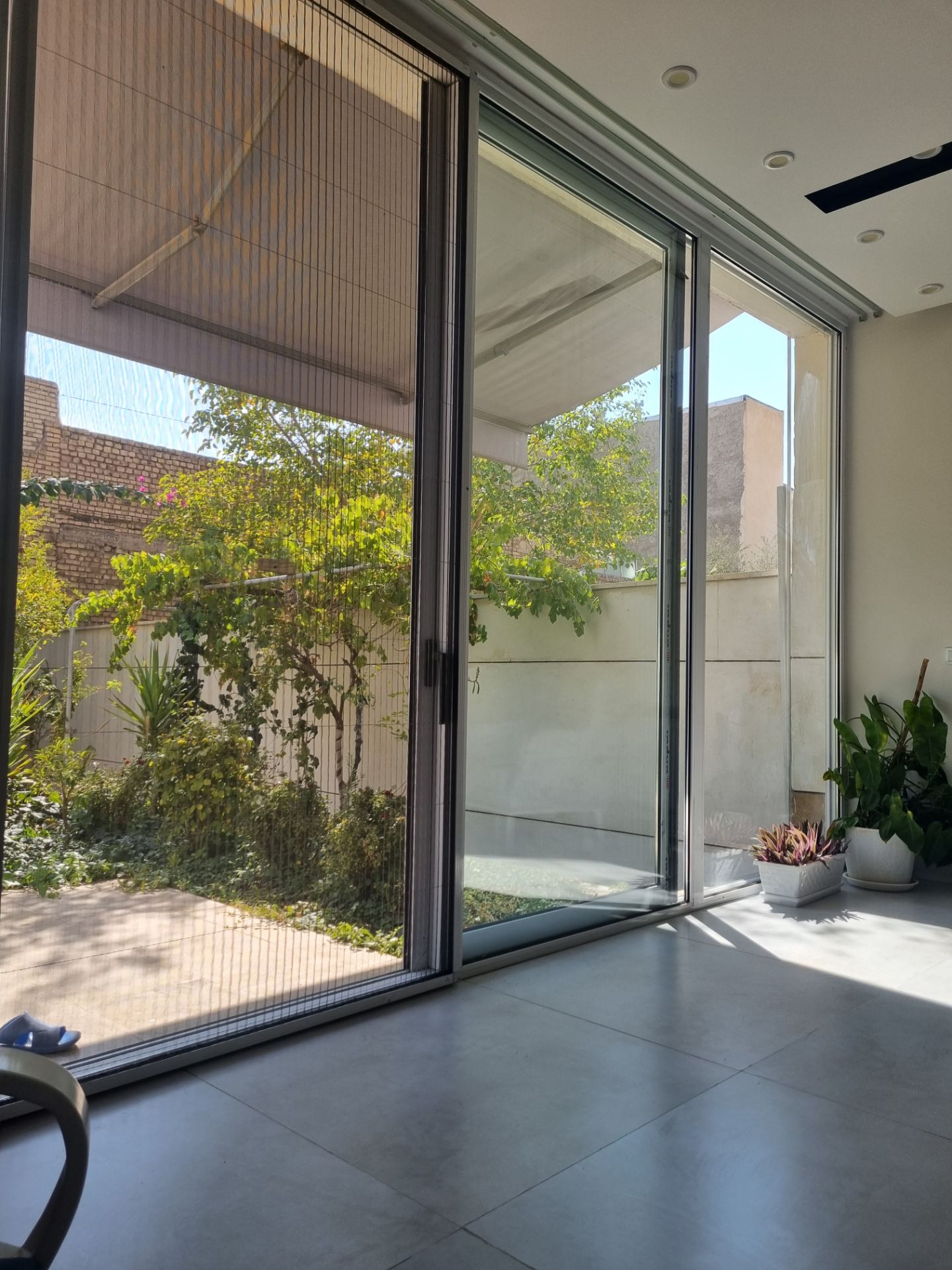
Curtain wall systems are non-structural exteriors that protect buildings from the elements while allowing natural light to permeate indoor spaces. These systems typically consist of a lightweight aluminum frame with glass or other transparent materials. One of the key advantages of curtain wall systems is their ability to distribute loads evenly, reducing the strain on a building’s structure and allowing for versatile architectural designs.
The Role of Roof Connection Brackets:
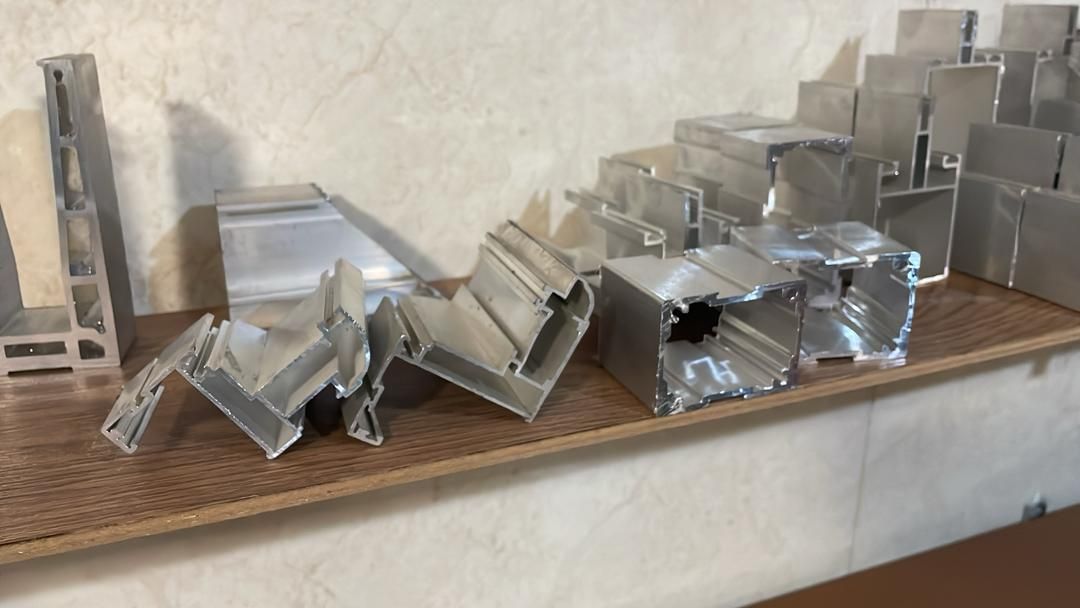
Roof connection brackets serve as the critical link between the curtain wall system and the building structure, ensuring that the entire assembly can withstand various loads such as wind, snow, and seismic forces. These brackets are strategically placed at the top of the curtain wall, connecting it to the building’s roof or support structure.
-
Load Distribution:
Roof connection brackets play a crucial role in distributing the loads imposed on the curtain wall system. As external forces like wind or snow act on the facade, the brackets transfer these loads to the building’s primary structure, preventing undue stress on the curtain wall itself. This load distribution is essential for maintaining the stability and longevity of the entire building envelope.
-
Thermal Movement Accommodation:
Buildings undergo thermal expansion and contraction due to temperature variations. Roof connection brackets are designed to accommodate this movement, allowing the curtain wall system to expand and contract without compromising its structural integrity. This flexibility is particularly important in regions with extreme temperature fluctuations.
-
Seismic Resistance:
In earthquake-prone areas, the seismic performance of curtain wall systems is a critical consideration. Roof connection brackets contribute to the overall seismic resistance of the building by ensuring that the curtain wall can move independently of the structure during seismic events, reducing the risk of damage.
-
Customization for Architectural Designs:
Roof connection brackets are available in various designs and materials, allowing architects to customize the appearance of the building facade. This flexibility in design enables architects to achieve their aesthetic vision while maintaining the structural performance of the curtain wall system.
-
Material Selection:
The choice of materials for roof connection brackets is a crucial aspect of their design. Typically, these brackets are constructed from materials such as aluminum, stainless steel, or other corrosion-resistant alloys. The selection of materials is influenced by factors such as the building location, environmental conditions, and the overall design intent. Corrosion-resistant materials are essential to ensure the long-term durability and structural stability of the brackets.
-
Installation and Maintenance:
Proper installation of roof connection brackets is vital to their effectiveness. During the installation process, careful attention must be paid to alignment, spacing, and load distribution. Regular inspections and maintenance are also critical to identify and address any issues promptly. Routine checks can prevent potential problems, such as corrosion or misalignment, and ensure that the curtain wall system continues to perform optimally over time.
-
Building Codes and Standards:
Roof connection brackets must comply with local building codes and industry standards. Adhering to these regulations ensures that the curtain wall system meets safety requirements and performs effectively in various environmental conditions. Architects and engineers should be familiar with the specific codes applicable to the project location and integrate them into the design and installation processes.
-
Advancements in Technology:
As technology continues to advance, new innovations in curtain wall systems, including roof connection brackets, are emerging. These advancements may include smart technologies that enhance the performance and monitoring of the curtain wall, providing real-time data on factors such as load distribution, temperature fluctuations, and structural integrity. Staying abreast of technological developments allows architects and engineers to incorporate the latest solutions into their designs.
-
Collaborative Approach in Design and Construction:
The successful integration of roof connection brackets into a curtain wall system requires a collaborative approach among various stakeholders. Architects, structural engineers, contractors, and manufacturers must work together to ensure that the design and installation meet both aesthetic and structural requirements. Regular communication and coordination throughout the project’s lifecycle are essential to address any challenges that may arise during construction.
-
Environmental Considerations:
In today’s environmentally conscious era, sustainable and energy-efficient design practices are at the forefront of architectural considerations. Roof connection brackets, as part of the curtain wall system, can contribute to a building’s overall sustainability. By optimizing thermal performance, selecting eco-friendly materials, and ensuring proper insulation, architects can enhance the energy efficiency of the entire structure. This approach aligns with the global movement toward greener and more sustainable building practices.
-
Case Studies and Success Stories:
Examining case studies and success stories of buildings that have effectively implemented roof connection brackets in their curtain wall systems can provide valuable insights for architects and developers. Learning from real-world examples allows professionals to understand the challenges faced and the solutions implemented in diverse projects. This knowledge-sharing fosters continuous improvement in the design and construction of curtain wall systems.
-
Future Trends and Innovations:
Looking ahead, the future of roof connection brackets in curtain wall systems may witness further innovations and trends. Advancements in materials, design techniques, and construction methods may lead to even more robust and versatile solutions. Keeping an eye on industry trends and embracing emerging technologies will empower architects and engineers to stay at the forefront of modern building design.
In conclusion, the role of roof connection brackets in curtain wall systems extends beyond structural support, influencing the overall performance, sustainability, and aesthetics of contemporary buildings. With a focus on collaboration, compliance with standards, and a commitment to innovation, architects and construction professionals can continue to push the boundaries of design while ensuring the safety and functionality of curtain wall systems. As the architectural landscape evolves, roof connection brackets will remain a critical element in achieving the delicate balance between form and function in modern construction.



Leave A Comment