
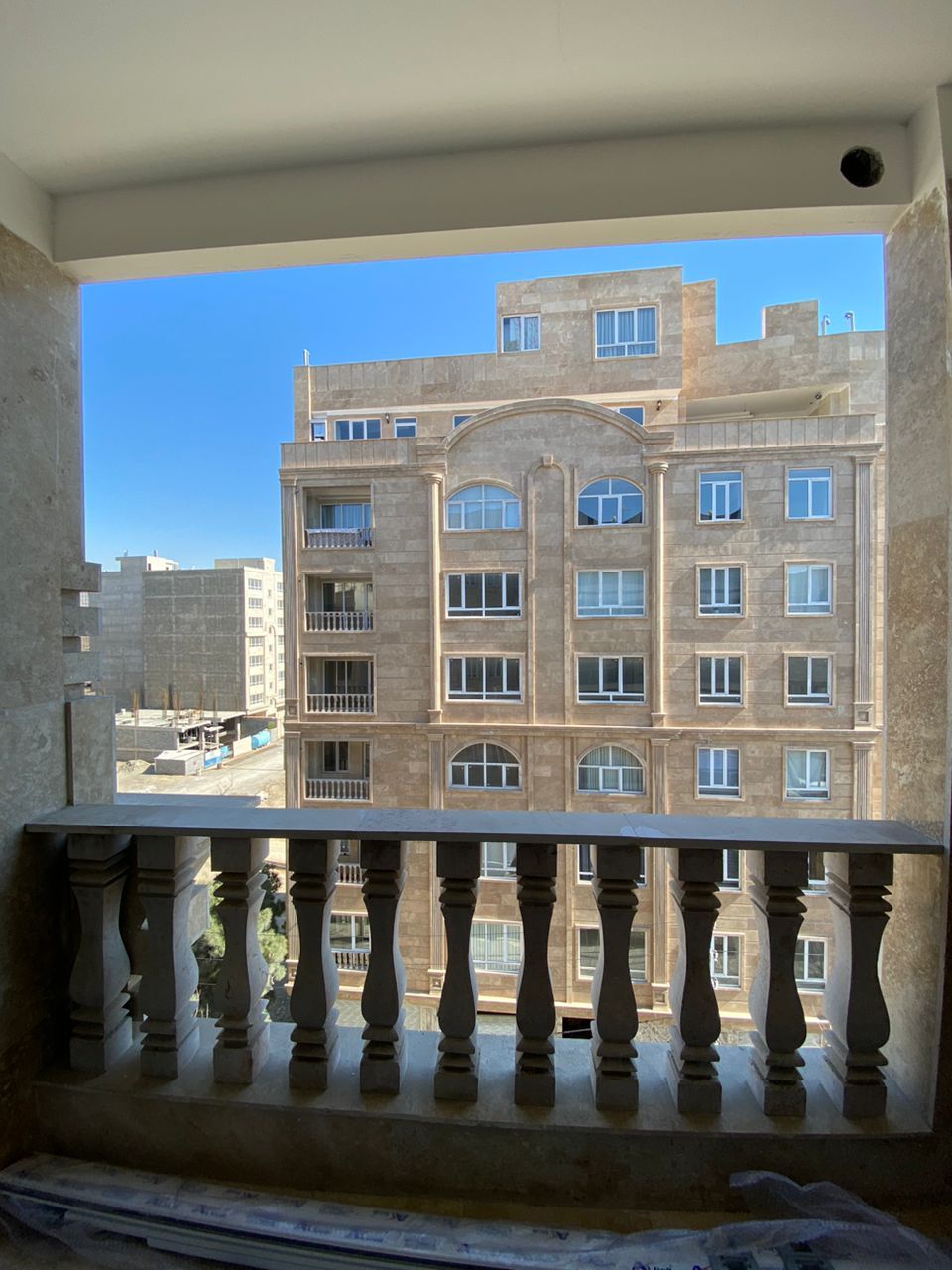
Powder paint opening side profile
Introduction
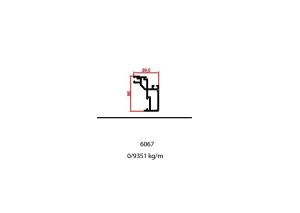
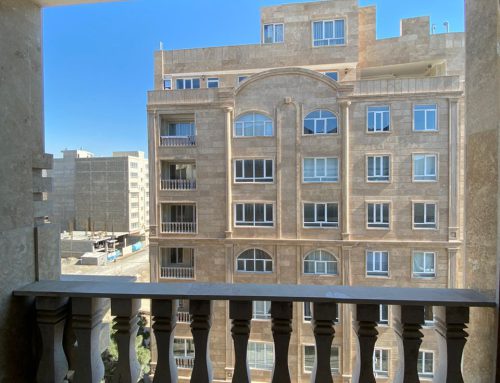
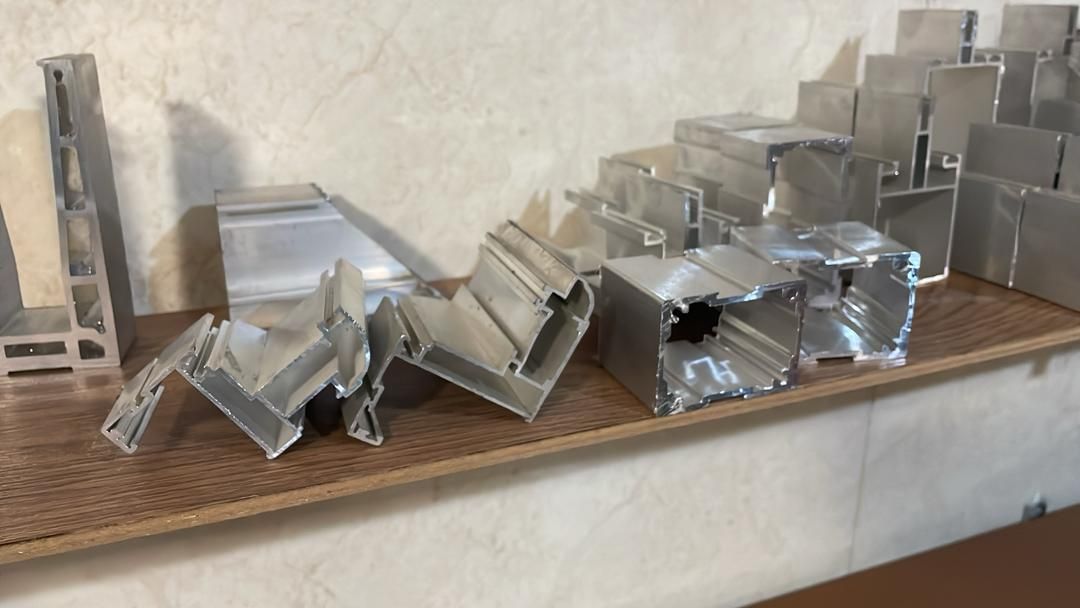
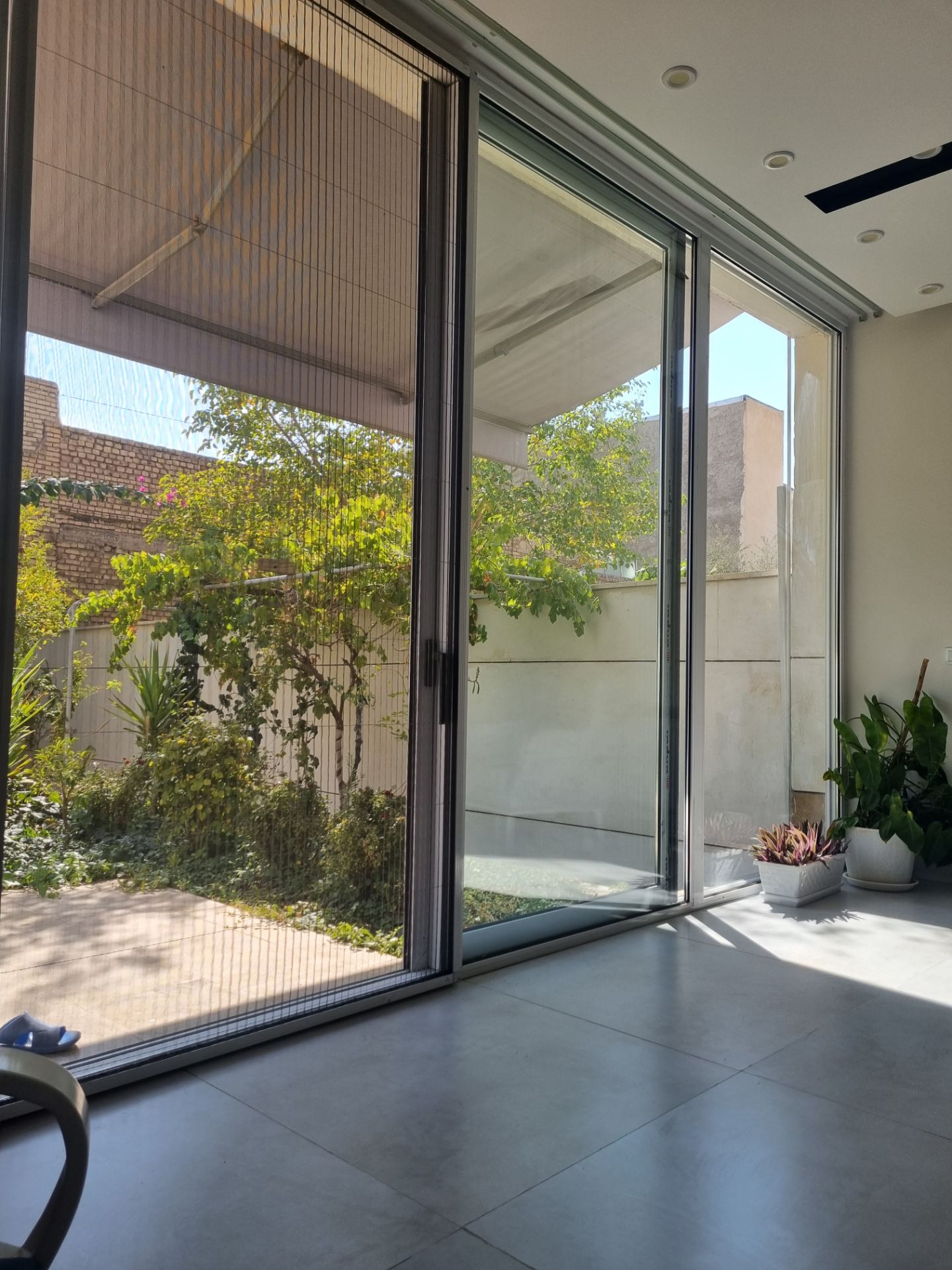
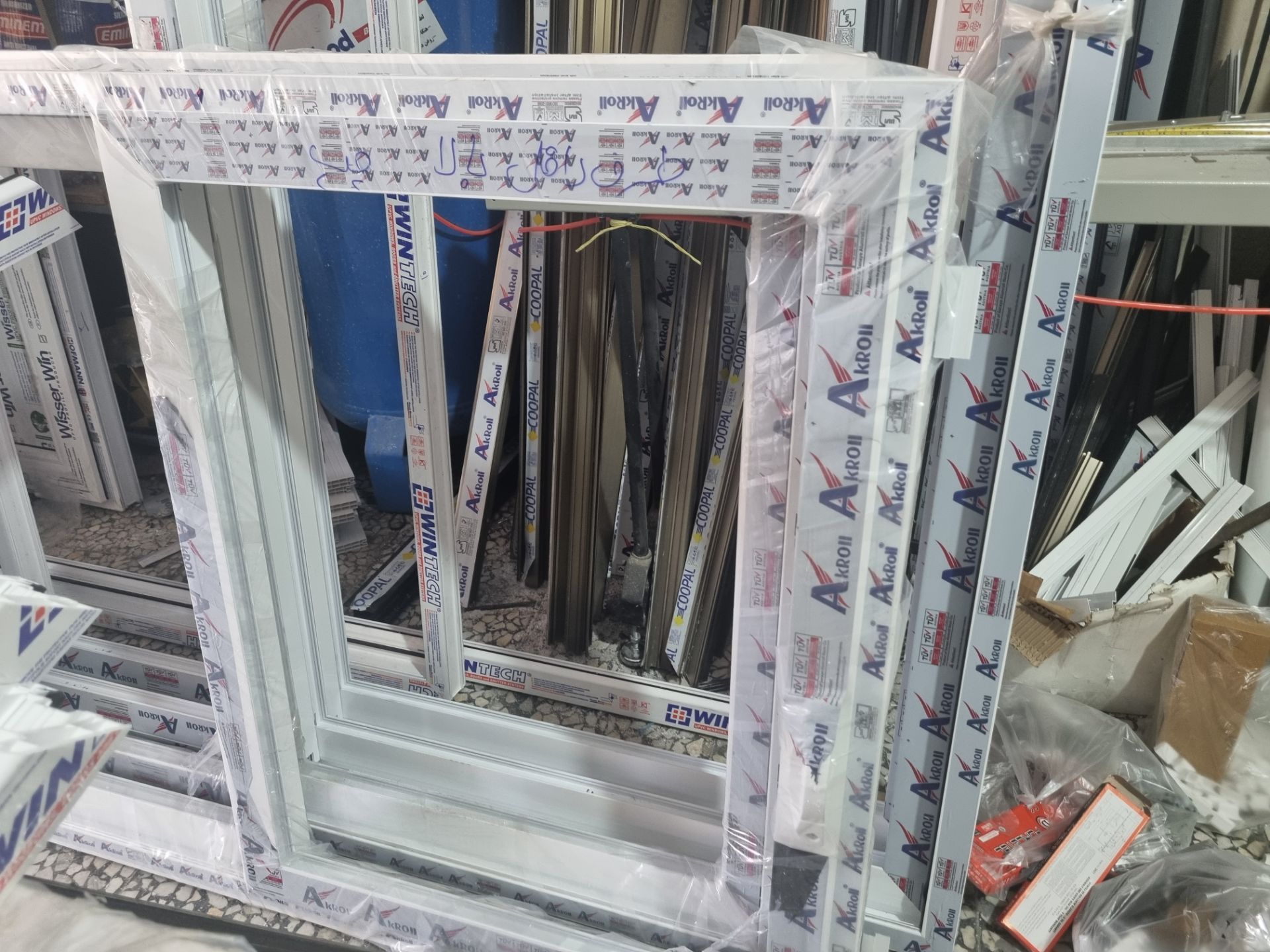
Powder paint opening side profile , Curtain wall systems have become a hallmark in modern architecture, offering a seamless blend of aesthetics, functionality, and energy efficiency. One crucial aspect of these systems is the finishing applied to the aluminum profiles, and powder paint has emerged as a popular choice for enhancing both the visual appeal and durability of curtain wall openings. In this article, we delve into the benefits and considerations of using powder paint in the side profiles of curtain wall systems.
The Advantages of Powder Paint
- Aesthetic Versatility: Powder paint provides architects and designers with a broad spectrum of color options and finishes, allowing for unparalleled creative freedom. The ability to achieve custom colors and textures opens up a realm of possibilities, enabling curtain wall systems to seamlessly integrate with the overall design vision of a building.
- Durability and Longevity: Powder paint is renowned for its exceptional durability and resistance to harsh environmental conditions. Unlike traditional liquid paint, powder coating forms a protective layer that is more resistant to chipping, fading, and corrosion. This makes it an ideal choice for the external components of curtain wall systems, which are constantly exposed to the elements.
- Environmental Sustainability: Powder coating is an eco-friendly option as it produces minimal waste compared to traditional painting methods. The process releases little to no volatile organic compounds (VOCs), contributing to a healthier indoor and outdoor environment. As sustainability becomes a key consideration in architectural design, powder paint aligns with green building practices.
- Cost-Efficiency: While the initial cost of powder coating may be slightly higher than traditional painting methods, the long-term benefits outweigh the investment. The extended lifespan and reduced maintenance requirements contribute to cost savings over the life of the curtain wall system. Additionally, the efficient application process of powder coating reduces labor costs.
Considerations for Powder Paint in Curtain Wall Openings
- Pre-treatment and Surface Preparation: Proper pre-treatment and surface preparation are crucial to ensure the adhesion and longevity of the powder coating. Thorough cleaning, deoxidizing, and application of an appropriate primer are essential steps in the preparation process. This ensures that the powder coating bonds effectively to the aluminum substrate.
- Quality Control: Maintaining quality control throughout the powder coating process is paramount. Regular inspections, both during the application and curing phases, help identify and rectify any issues that may affect the finish’s integrity. Consistent quality control measures contribute to a flawless and durable powder-coated surface.
- Compatibility with Design Requirements: Design considerations play a pivotal role in the success of powder coating applications. Architects and designers must collaborate closely with powder coating specialists to ensure that the chosen colors and finishes align with the overall design intent. Additionally, attention should be given to the thickness of the powder coating, as excessive thickness may impact the functionality of the curtain wall system.
- Application Challenges: While powder coating is a highly effective method, challenges may arise during application, particularly in complex curtain wall profiles. Ensuring uniform coverage in intricate designs and recessed areas may require specialized techniques. Experienced applicators with knowledge of curtain wall systems can navigate these challenges, ensuring a consistent and high-quality finish.
- Maintenance Considerations: Although powder coating significantly reduces the need for maintenance compared to traditional paint, periodic inspections and cleaning are still essential. Regular cleaning with mild detergents and non-abrasive tools help preserve the coating’s appearance and longevity. Establishing a maintenance schedule ensures that the curtain wall system continues to contribute to the building’s aesthetic appeal over the years.
- Impact on Thermal Performance: The impact of powder coating on the thermal performance of curtain wall systems is a critical consideration. While the coating itself does not significantly affect thermal conductivity, the color chosen can influence solar reflectance and emissivity. Coatings with high solar reflectance contribute to energy efficiency by reflecting a greater amount of sunlight away from the building.
- Technological Advances: Ongoing advancements in powder coating technology continue to enhance its properties. New formulations with improved UV resistance, anti-graffiti features, and self-cleaning capabilities are emerging, providing architects and designers with even more options to meet specific project requirements. Staying abreast of these innovations ensures that curtain wall systems remain at the forefront of both aesthetics and functionality.
- Global Trends in Architecture: The use of powder paint in curtain wall systems aligns with global architectural trends. As sustainable building practices gain prominence, the demand for environmentally friendly finishes grows. Powder coating’s minimal environmental impact, combined with its durability, positions it as a preferred choice in contemporary architectural projects seeking to achieve both sustainability and visual excellence.
- Case Studies: Examining successful implementations of powder-coated curtain wall systems in real-world projects provides valuable insights. Case studies can highlight the specific challenges faced, innovative solutions applied, and the long-term performance of the coating. These real-world examples serve as a testament to the efficacy and versatility of powder coating in diverse architectural contexts.
- Community and Stakeholder Considerations: The visual impact of buildings on the community and stakeholders is a crucial aspect of architectural design. Powder-coated curtain wall systems, with their vibrant colors and durable finishes, contribute positively to the urban landscape. Engaging with the local community and stakeholders during the design phase helps ensure that the chosen finishes align with the broader aesthetic and cultural context.
- Regulatory Compliance: Compliance with local building codes and regulations is fundamental in any construction project. Architects and builders must ensure that the powder coating selected for curtain wall systems adheres to relevant industry standards and meets fire safety requirements. Understanding and addressing these regulatory considerations from the outset is essential for a smooth and successful project.
- Future Trends and Innovations: The field of architectural finishes, including powder coating, is dynamic and subject to continuous innovation. Keeping an eye on future trends and emerging technologies allows architects to stay ahead of the curve. This proactive approach ensures that curtain wall systems not only meet current design and performance standards but also remain relevant and resilient in the face of evolving architectural preferences and technological advancements.
- Collaboration Among Industry Stakeholders: Successful implementation of powder-coated curtain wall systems often requires close collaboration among architects, engineers, contractors, and coating specialists. Effective communication and collaboration throughout the project lifecycle are crucial for addressing potential challenges, ensuring quality control, and delivering a final product that meets or exceeds expectations.
- Acknowledging Challenges and Continuous Improvement: Despite the many advantages of powder coating in curtain wall systems, it’s important to acknowledge potential challenges. Overcoming issues such as color consistency, application intricacies, and evolving environmental conditions requires a commitment to continuous improvement. Industry stakeholders should actively engage in research and development to refine processes and materials, ensuring that powder-coated curtain wall systems consistently meet the highest standards.
- Educating Stakeholders: Building owners, facility managers, and maintenance personnel play integral roles in the long-term success of curtain wall systems. Educating these stakeholders about the benefits and care requirements of powder-coated finishes is essential. Proper maintenance practices, periodic inspections, and understanding the durability of powder coating contribute to the sustained beauty and performance of the building envelope.
- Global Impact and Standardization: As architectural designs transcend geographical boundaries, standardization of powder coating practices becomes increasingly relevant. Establishing global standards for quality, application processes, and environmental impact ensures consistency and reliability across diverse projects. This standardization facilitates the exchange of knowledge and best practices, fostering a global community focused on advancing the field of powder-coated curtain wall systems.
- Adaptation to Technological Advances: Rapid technological advancements have a profound impact on the construction industry. From smart coatings that respond to environmental conditions to advances in application techniques, staying abreast of technological developments is crucial. Embracing these innovations allows architects and builders to harness the full potential of powder coating, ensuring that curtain wall systems remain at the forefront of both design and performance.
- Feedback Loops and Post-Occupancy Evaluation: Establishing feedback loops and conducting post-occupancy evaluations contribute to the ongoing improvement of curtain wall systems. Learning from the performance of completed projects, gathering feedback from occupants, and analyzing long-term maintenance requirements inform future design decisions. This iterative process fosters a culture of continuous improvement within the architectural community.
Final Thoughts: In conclusion, the use of powder paint in opening side profiles of curtain wall systems represents a paradigm shift in architectural design. The marriage of aesthetics, durability, and sustainability positions powder-coated finishes as a cornerstone of modern construction. As the industry evolves, architects, builders, and coating specialists must work collaboratively, embracing innovation, addressing challenges, and ensuring that powder-coated curtain wall systems continue to shape the built environment for generations to come. The journey toward more resilient, visually stunning, and sustainable architecture is an ongoing exploration—one that holds promise for the future of our urban landscapes.
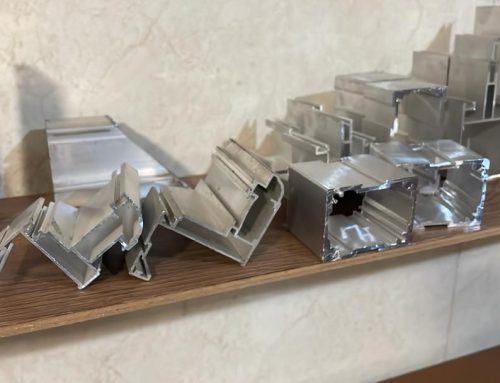
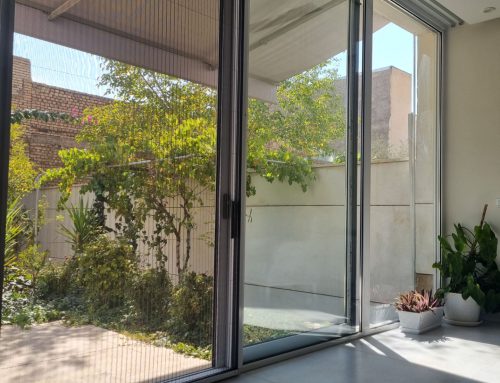
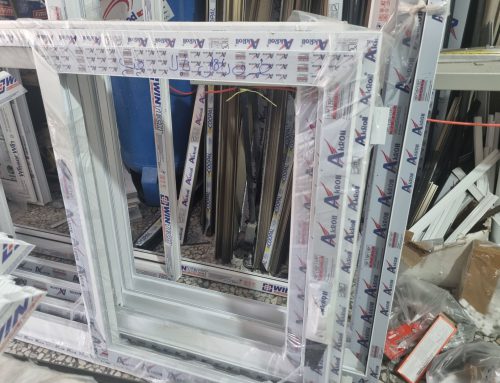
Powder paint opening side profile , Powder paint opening side profile , Powder paint opening side profile .

Leave A Comment