
Outside corner Rickety
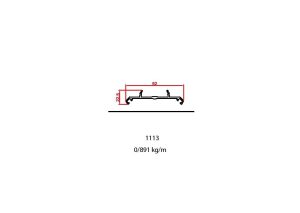
Introduction:
Curtain wall systems are an integral part of modern architectural designs, providing both aesthetic appeal and functional performance to buildings. One critical aspect of curtain wall systems that often goes unnoticed is the outside corner rickety. This seemingly minor component plays a crucial role in ensuring the structural integrity, weather resistance, and overall performance of the curtain wall. In this article, we will delve into the significance of the outside corner rickety in curtain wall systems.
What is an Outside Corner Rickety?
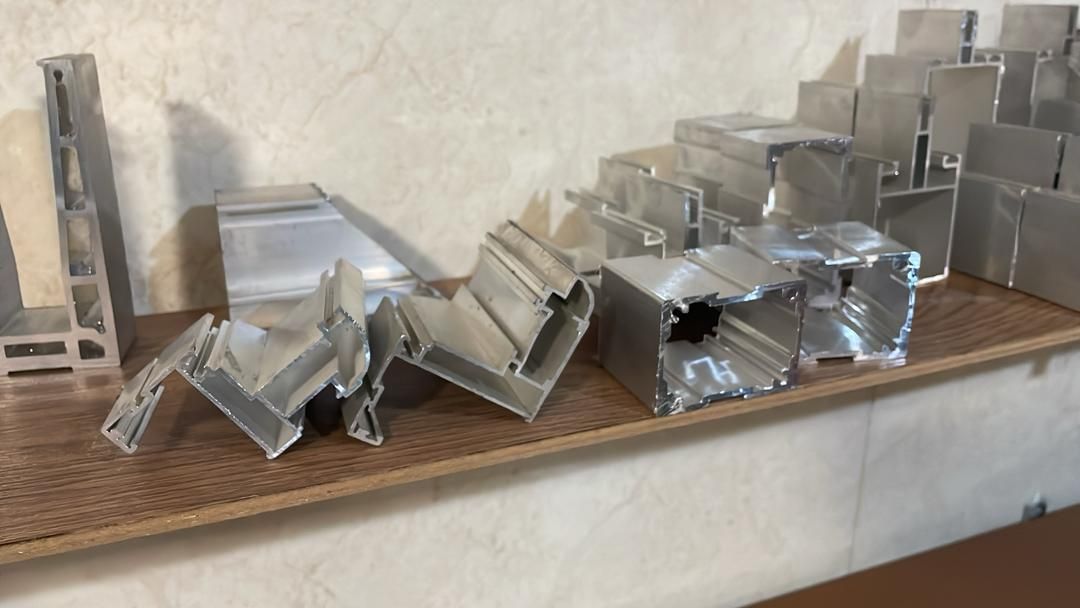
An outside corner rickety is a specialized element designed to connect and stabilize the meeting point of two curtain wall sections forming an external corner. It serves to enhance the system’s structural strength, resist wind loads, and maintain the system’s overall stability. Rickety systems are commonly used in both stick-built and unitized curtain wall systems.
Key Functions:
- Structural Stability:
- The primary function of the outside corner rickety is to enhance the structural stability of the curtain wall system. It provides additional support at the corners, where forces tend to concentrate, ensuring that the system can withstand various loads and stresses.
- Wind Load Resistance:
- External corners are vulnerable to higher wind loads due to the geometry of the building. The outside corner rickety acts as a reinforcement, distributing wind forces evenly across the curtain wall and preventing excessive deflection or movement.
- Water and Air Tightness:
- Outside corners are potential areas for water and air infiltration. The rickety system helps maintain the curtain wall’s integrity by preventing water and air from penetrating the building envelope. This is crucial for maintaining the building’s energy efficiency and protecting its interior from the elements.
- Thermal Performance:
- Rickety systems can also contribute to the thermal performance of the curtain wall by reducing thermal bridging at the corners. This helps in achieving better insulation and energy efficiency for the building.
Design Considerations:
- Material Selection:
- Outside corner rickety components are often made from materials such as aluminum, steel, or other high-strength alloys. The material chosen should be corrosion-resistant, durable, and compatible with the curtain wall system.
- Integration with System Components:
- The design of the rickety system must integrate seamlessly with other curtain wall components. Proper coordination is essential to ensure that the rickety does not compromise the aesthetic or functional aspects of the overall system.
- Testing and Certification:
- Rickety systems should undergo rigorous testing to ensure they meet industry standards for structural integrity, water tightness, and air permeability. Certification from relevant authorities is crucial to guarantee the system’s performance.
Installation and Maintenance:
Once the design is finalized, the installation of the outside corner rickety is a critical phase in ensuring its effectiveness. Installation should be carried out by experienced professionals following the manufacturer’s guidelines and specifications. Proper alignment and secure anchoring are essential to guarantee the rickety’s performance under various loads.
Regular maintenance is equally important to ensure the longevity of the curtain wall system and its components, including the outside corner rickety. Inspections should be conducted periodically to identify any signs of wear, corrosion, or damage. Prompt repairs or replacements should be carried out as needed to prevent potential issues and maintain the system’s reliability.
Innovations in Outsid Corner Rickety Systems:
As technology and construction methodologies advance, innovations in outside corner rickety systems continue to emerge. Manufacturers are exploring new materials, such as advanced composites, to improve the strength-to-weight ratio of these components. Additionally, design advancements are being made to enhance both the aesthetic appeal and performance of rickety systems, allowing for more flexibility in architectural expression.
Challenges and Considerations:
While outside cornr rickety systems contribute significantly to the overall performance of curtain wall systems, challenges may arise. Designers must carefully consider factors such as thermal expansion and contraction, differential movement between building components, and potential material incompatibilities. Proper engineering analysis and simulation tools can assist in predicting and mitigating these challenges during the design phase.
Case Studies: Real-world Applications of Outsid Corner Rickety Systems:
Examining real-world applications can provide valuable insights into the effectiveness of outside corner rickety systems. Several iconic buildings showcase the successful integration of these components. For instance, the sleek glass façade of One World Trade Center in New York incorporates advanced rickety systems to withstand the site’s challenging wind conditions while maintaining the building’s aesthetic appeal.
Future Trends and Developments:
Looking ahead, the future of outside corner rickety systems appears promising, with ongoing research and development aimed at addressing emerging challenges in the construction industry. Integration with smart building technologies, such as sensors for real-time monitoring and adaptive responses, is a growing trend. This can enhance the performance of rickety systems by providing valuable data on structural behavior and environmental conditions.
Sustainability Considerations:
In the context of increasing emphasis on sustainable construction practices, outside corner rickety systems are not exempt. Manufacturers are exploring environmentally friendly materials, and designs are evolving to minimize the environmental impact of these components. Sustainable rickety systems contribute to the overall eco-friendliness of a building, aligning with global efforts to reduce the construction industry’s carbon footprint.
Global Standards and Regulations:
As the importance of outside corner rickety systems becomes more evident, global standards and regulations are evolving to ensure uniformity and safety across the construction industry. Compliance with these standards is crucial to guarantee the reliability and performance of curtain wall systems. Architects and builders should stay informed about the latest developments in regulations to ensure that their designs meet or exceed industry requirements.
Conclusion: The Unseen Hero of Modern Architecture:
In the intricate dance of architectural elements, the outside corner rickety stands as a silent but indispensable hero. Its role in enhancing the structural integrity and performance of curtain wall systems is undeniable. As the construction industry continues to push the boundaries of design and functionality, the outside corner rickety will likely evolve, meeting new challenges and contributing to the creation of buildings that are not only aesthetically pleasing but also resilient and sustainable.
In the ever-changing landscape of architecture, where innovation is key, the outside corner rickety serves as a testament to the importance of meticulous design and engineering. As we embark on a future that demands sustainable and resilient structures, the role of this unassuming component will undoubtedly continue to grow, shaping the skylines of cities and the way we perceive and interact with our built environment.



Leave A Comment