
Outside corner piece profile 90 degree
Introduction:
Corner pieces play a crucial role in various construction and design projects, providing not only structural support but also contributing to the overall aesthetics of a space. Among these, the 90-degree outside corner piece profile stands out as a versatile and essential component. In this article, we will delve into the significance, applications, and considerations associated with the use of 90-degree outside corner pieces.
Definition and Characteristics:
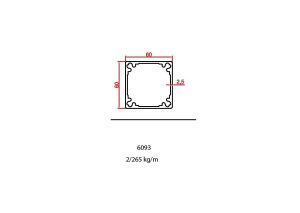
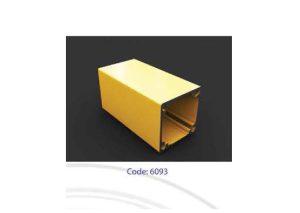
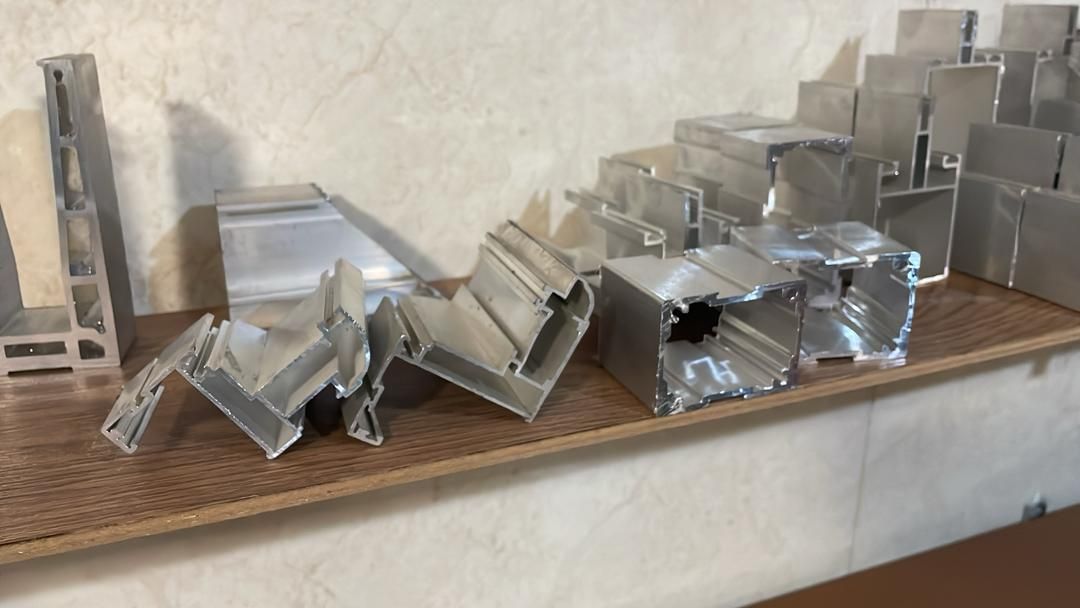
A 90-degree outside corner piece profile refers to a construction element designed to cover and protect the outer corners of walls, structures, or other architectural features where two walls meet at a right angle. These profiles typically have an L-shaped design, with one leg covering each face of the corner and the other forming a smooth transition between the two surfaces.
Key Features:
- Material Diversity: 90-degree outside corner pieces are available in various materials, including metal, PVC, wood, and composite materials. The choice of material depends on factors such as the intended use, environmental conditions, and aesthetic preferences.
- Protective Function: One of the primary purposes of these corner profiles is to protect the vulnerable outer corners of structures from damage. This can include impact from furniture, machinery, or other objects, as well as wear and tear caused by foot traffic.
- Aesthetic Enhancement: Beyond their protective function, these corner pieces contribute to the overall appearance of a space. They provide a clean and finished look to corners, enhancing the visual appeal of walls and structures.
Applications:
- Residential Construction: In homes, 90-degree outside corner pieces are commonly used in drywall applications. They not only protect the corners from dings and chips but also add a polished and professional finish to interior spaces.
- Commercial Spaces: Offices, retail stores, and other commercial spaces benefit from the use of these corner profiles. They offer durability and aesthetic appeal, ensuring that high-traffic areas maintain a pristine appearance.
- Industrial Settings: In industrial environments, where machinery and equipment are prevalent, 90-degree outside corner pieces made from durable materials such as metal or reinforced plastics provide essential protection against impacts.
Considerations for Installation:
- Material Compatibility: Ensure that the chosen corner piece material is compatible with the surrounding elements, such as wall coverings, paint, or finishes.
- Installation Method: The installation method may vary depending on the material and design of the corner piece. Adhesive, screws, or other fastening methods may be used.
- Color and Finish: Consider the color and finish of the corner piece to ensure it complements the overall design and aesthetics of the space.
- Maintenance and Cleaning: Depending on the environment, these corner pieces may accumulate dust, dirt, or other debris over time. Consider the ease of maintenance and cleaning when selecting the material and finish. Smooth and easily cleanable surfaces contribute to the longevity of both the corner pieces and the overall appearance of the space.
- Customization Options: Some projects may require customized corner pieces to meet specific design or functional needs. Explore manufacturers or suppliers that offer customization options, such as different sizes, colors, or even unique finishes.
- Weather Resistance: In outdoor applications or areas exposed to environmental elements, it’s essential to choose a material that can withstand weather conditions. Metal or PVC corner pieces, for example, are often resistant to moisture, making them suitable for both indoor and outdoor use.
- Compliance with Building Codes: Before installation, ensure that the selected corner pieces comply with relevant building codes and regulations. This is particularly crucial in commercial and industrial settings where safety standards may be stringent.
- Cost Considerations: Evaluate the cost-effectiveness of different materials and brands. While it’s essential to consider the upfront cost, also factor in the long-term durability and maintenance requirements to determine the overall value of the corner pieces.
- Specialized Applications: In some cases, specialized corner pieces may be required, such as those designed for healthcare settings where hygiene is paramount. Explore options specifically designed for unique environments to ensure optimal performance.
- Future Trends: Stay informed about advancements in construction materials and design trends. The field of architectural elements, including corner pieces, is continually evolving, and staying updated can help you incorporate the latest innovations into your projects.
- Installation Tips: When installing 90-degree outside corner pieces, precision is key. Take accurate measurements of the corners and ensure that the pieces are cut to the correct length. Use the appropriate tools and techniques based on the material to achieve a seamless and professional finish. Following manufacturer guidelines and best practices will contribute to the longevity and effectiveness of the corner pieces.
- Collaboration with Design Professionals: Engage in open communication with architects and designers to ensure that the chosen corner pieces align with the overall vision of the project. Collaboration with design professionals can lead to innovative solutions and creative applications that go beyond the standard use of corner profiles.
- Sustainability Considerations: As sustainability becomes a more significant focus in construction and design, explore eco-friendly options for corner pieces. Some manufacturers offer materials that are recyclable or made from sustainable sources, contributing to environmentally responsible building practices.
- Innovations in Design: Stay abreast of design innovations in corner piece profiles. New designs may offer improved functionality, better integration with various architectural styles, or unique features that set them apart. Incorporating innovative designs can add a contemporary and distinctive touch to your projects.
- Client Education: Educate clients about the importance of 90-degree outside corner pieces and their role in both protection and aesthetics. Discussing material options, design choices, and long-term benefits can help clients make informed decisions that align with their preferences and project goals.
- Post-Installation Inspection: After installation, conduct a thorough inspection to ensure that the corner pieces are securely in place and free from defects. This step is crucial to identify any issues early on and address them promptly, preventing potential problems in the future.
- Documentation and Maintenance Guidelines: Provide clients with documentation outlining maintenance guidelines for the corner pieces. Include information on cleaning methods, recommended maintenance intervals, and any specific care instructions based on the chosen material. Clear guidelines can contribute to the longevity and optimal performance of the installed corner pieces.
- Case Studies and Success Stories: Share case studies and success stories related to the use of 90-degree outside corner pieces in various projects. Highlighting real-world examples can inspire confidence in clients and showcase the versatility and effectiveness of these architectural elements.
- Feedback and Continuous Improvement: Encourage feedback from construction teams, architects, and clients regarding the performance of the installed corner pieces. Use this feedback to identify areas for improvement and refine your approach in future projects, contributing to a continuous cycle of improvement and innovation.
Future Prospects in Corner Piece Technology: The field of construction and architecture is continuously evolving, and technological advancements are likely to impact the design and functionality of 90-degree outside corner pieces. Keep an eye on emerging technologies such as 3D printing, smart materials, and sustainable innovations, as these may influence the future of corner piece manufacturing and design.
Global Perspectives: Consider regional and global trends in construction practices and design preferences. Understanding how different cultures approach corner protection and aesthetics can provide valuable insights for creating universally appealing and functional solutions.
Integration with Smart Buildings: As the concept of smart buildings gains traction, explore opportunities to integrate intelligent features into corner pieces. This could include the incorporation of sensors for monitoring structural integrity, temperature, or even lighting elements to enhance the ambiance of a space.
Industry Standards and Certifications: Stay informed about industry standards and certifications related to corner pieces. Compliance with these standards ensures that the installed components meet safety requirements and adhere to best practices, instilling confidence in clients and regulatory authorities.
Continuing Education: In a rapidly evolving industry, ongoing education is essential. Attend workshops, conferences, and training sessions to stay updated on the latest construction techniques, design trends, and materials. Networking with industry professionals can provide valuable insights and open doors to collaborative opportunities.
Market Trends and Consumer Preferences: Monitor market trends and consumer preferences related to architectural elements. Understanding what clients and end-users are seeking in terms of design aesthetics, materials, and functionality can inform your decision-making process and help you stay ahead of the curve.
Collaboration with Material Innovators: Forge partnerships with manufacturers and innovators in materials science. Collaborating with those on the cutting edge of material innovations can lead to the discovery of new, high-performance materials for corner pieces that offer enhanced durability, sustainability, and aesthetic appeal.
Social and Cultural Considerations: Take into account social and cultural factors that may influence corner piece design. Cultural preferences and historical architectural norms can impact the acceptance and success of certain designs, making it essential to tailor solutions to specific contexts.
Post-Installation Surveys: Implement post-installation surveys to gather feedback from clients and end-users regarding their satisfaction with the corner pieces. This valuable information can provide insights into the real-world performance of the installed components and guide improvements for future projects.
Final Thoughts: In conclusion, the journey of utilizing 90-degree outside corner pieces in construction projects goes beyond mere installation. Embracing a holistic approach that incorporates ongoing education, collaboration, and a commitment to innovation will position builders and architects at the forefront of the industry. By continually refining practices, staying attuned to market dynamics, and adopting emerging technologies, professionals can ensure that corner pieces remain not only functional but also integral to the evolving narrative of architectural excellence.

Leave A Comment