
Price of Frame less glass facade
Introduction
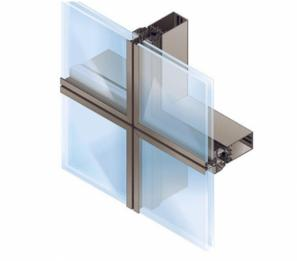
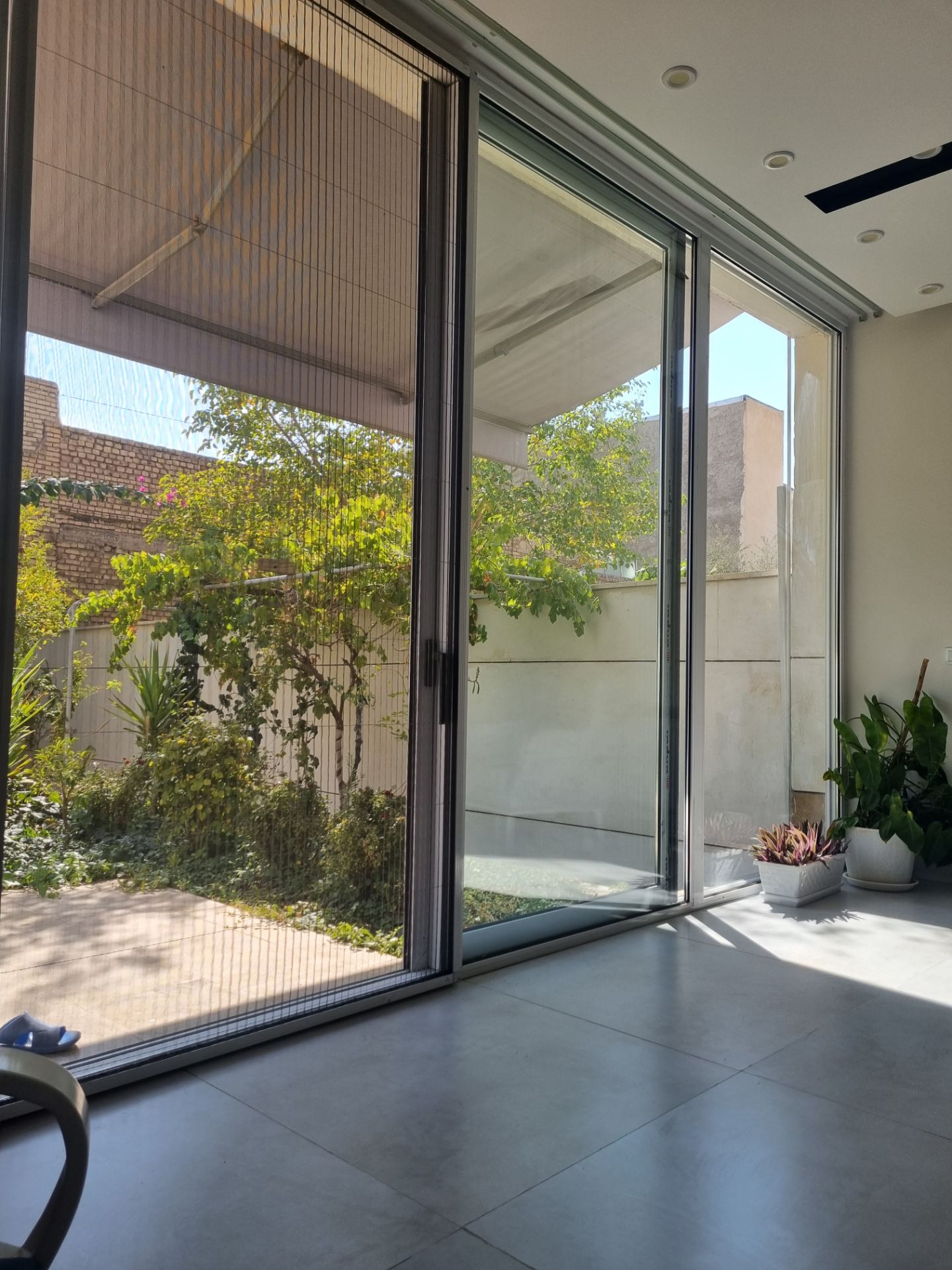
In modern architectural design, frameless glass facades have become a popular choice for commercial and residential buildings alike. These sleek and transparent structures offer a unique aesthetic appeal, allowing natural light to flood interiors while providing unobstructed views of the surroundings. However, when considering the implementation of frameless glass facades, cost is undoubtedly an important factor. In this article, we will explore the price evolution of frameless glass facades, considering various factors that influence their cost.
Factors Influencing the Price
Several factors contribute to the pricing of frameless glass facades. Understanding these factors can help in assessing the cost implications and making informed decisions.
- Glass Quality and Thickness: The quality and thickness of glass used in frameless facades play a significant role in determining the cost. High-performance glass with superior insulation and sound reduction properties will be more expensive compared to standard glass.
- Size and Complexity: The size and complexity of the project directly impact the cost. Larger facades require more glass panels and additional structural support, driving up the overall expense. Intricate designs, curved glass, or custom shapes also contribute to increased costs due to the complexity of fabrication and installation.
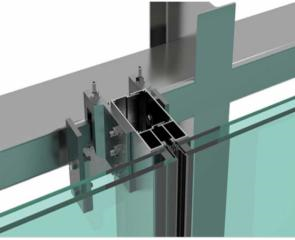
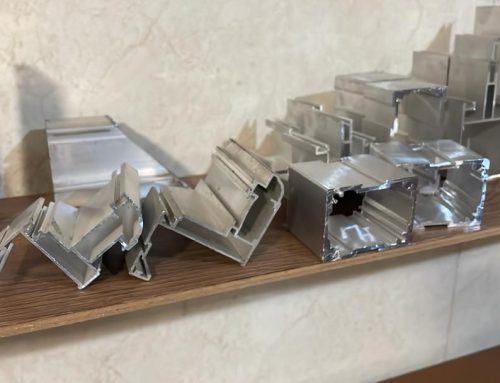
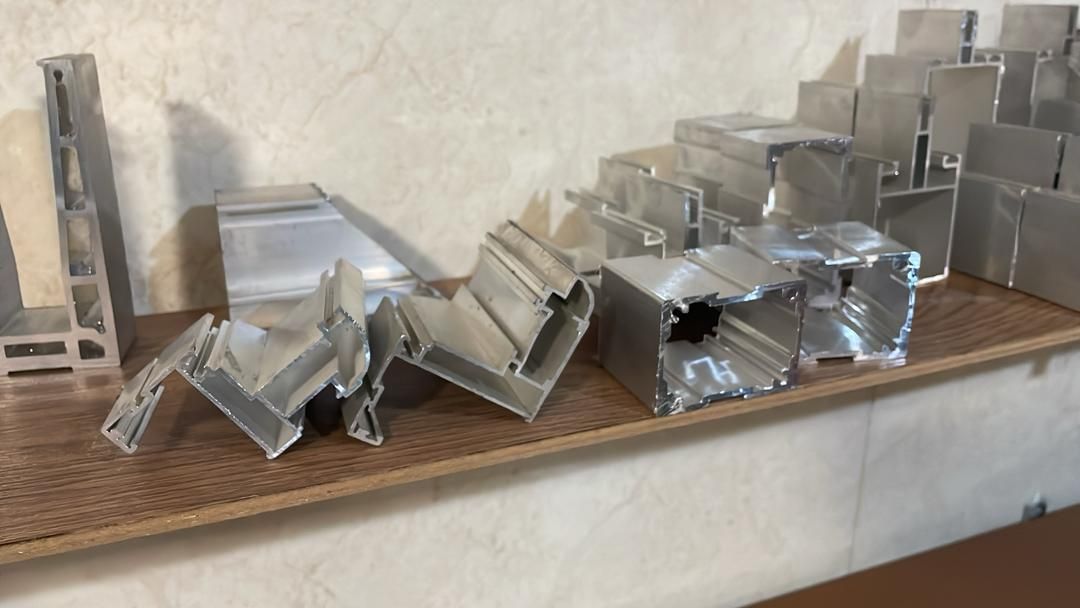
- Structural Considerations: Frameless glass facades rely on robust structural elements to support the glass panels. The type of structural system chosen, such as steel or aluminum, and the required engineering calculations for wind loads and safety factors will influence the final price.
- Energy Efficiency: Building codes and environmental considerations have made energy efficiency a crucial aspect of construction. Opting for energy-efficient glass coatings, such as low-emissivity (low-e) coatings or solar control coatings, can enhance insulation properties but may add to the cost.
- Site Conditions and Access: The location and accessibility of the project site can impact the pricing. Difficult terrain, restricted access, or working at heights may require additional resources and specialized equipment, which can increase the overall cost.
Price Range
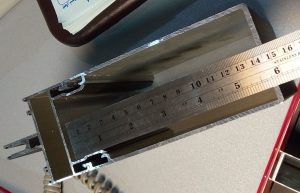
It is important to note that the cost of frameless glass facades can vary significantly depending on the aforementioned factors and other project-specific requirements. As of 2023, the price range for frameless glass facades typically falls between $250 and $700 per square foot of facade area. However, this range is an estimate and can fluctuate based on the project’s unique characteristics and market conditions.
While frameless glass facades may seem relatively expensive compared to traditional construction methods, their benefits justify the investment for many building owners. The sleek and modern appearance, increased natural light, improved aesthetics, and potential energy savings make them an attractive option.
Return on Investment
Despite the initial investment, frameless glass facades can offer a favorable return on investment. Their ability to enhance a building’s market value, attract tenants or customers, and create a desirable working or living environment can offset the higher upfront cost. Additionally, energy-efficient features can lead to long-term savings on heating, cooling, and lighting expenses.
Determining Cost-Effectiveness
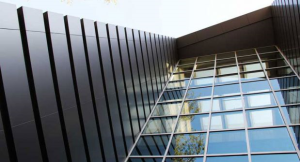
When considering the price of frameless glass facades, it is crucial to assess their cost-effectiveness in the long run. While the initial investment may seem high, there are several factors that contribute to their overall value:
- Energy Efficiency: Frameless glass facades can contribute to energy savings by maximizing natural daylight and reducing the need for artificial lighting. Additionally, energy-efficient glass coatings and thermal insulation properties can help regulate indoor temperatures, leading to reduced heating and cooling costs over time.
- Durability and Maintenance: High-quality frameless glass facades are designed to withstand various weather conditions and maintain their integrity over the years. They often require minimal maintenance, reducing long-term upkeep costs compared to other building materials.
- Enhanced Market Value: Frameless glass facades can significantly enhance the market value of a building. The aesthetic appeal, contemporary design, and panoramic views they offer can make the property more desirable to potential buyers or tenants, thereby increasing its value.
- Brand Image and Attraction: For commercial buildings, a frameless glass facade can project a modern and professional image for businesses, attracting customers and creating a positive impression. The transparent and open feel they provide can contribute to a pleasant and inviting atmosphere, benefiting both employees and customers.
- Longevity: Frameless glass facades, when properly maintained, can have a longer lifespan compared to traditional building materials. Their durability and resistance to fading or deterioration make them a reliable long-term investment.
Cost-Saving Strategies
While frameless glass facades may involve a significant investment, there are several strategies to consider that can help optimize costs:
- Design Simplicity: Opting for simpler designs without complex shapes or curves can reduce fabrication and installation costs. Straightforward designs also minimize the need for additional structural support.
- Material Selection: Choosing the right type of glass, based on project requirements, can help balance costs. While high-performance glass may be necessary in certain situations, it may not be essential for every project. Consulting with glass manufacturers and experts can help determine the most cost-effective glass solution.
- Collaboration with Experts: Engaging experienced architects, engineers, and contractors who specialize in frameless glass facades is crucial. Their expertise can ensure efficient design, cost optimization, and smooth implementation, ultimately saving both time and money.
- Value Engineering: Collaborating with professionals to analyze the project and identify areas where cost savings can be achieved without compromising on quality or functionality is important. Value engineering can help identify alternative materials, construction methods, or design modifications that can reduce costs without sacrificing the overall vision.
Conclusion
While the price of frameless glass facades may initially appear higher compared to traditional construction methods, their aesthetic appeal, energy efficiency, and long-term benefits make them a worthwhile investment. By considering the factors influencing their cost, assessing their cost-effectiveness, and implementing cost-saving strategies, building owners can achieve stunning architectural designs that provide a remarkable return on investment. Frameless glass facades offer a harmonious blend of functionality, elegance, and sustainability, transforming buildings into captivating and inspiring spaces.

Leave A Comment