
Advantages and beauty of Louvre profile
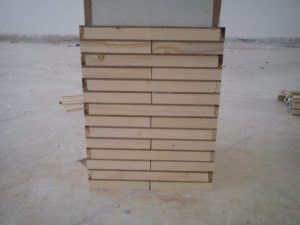
Introduction: When it comes to architectural design and aesthetics, few elements possess the timeless allure and functionality of Louvre profiles. Originally inspired by the intricate lattice designs found in traditional Middle Eastern and Mediterranean architecture, Louvre profiles have transcended time and geographical boundaries to become a globally recognized symbol of beauty and practicality. This article will explore the advantages and captivating beauty of Louvre profiles, highlighting why they continue to be a popular choice in contemporary design.
-
Historic Significance:
Louvre profiles have a rich historical background that dates back centuries. Derived from the French word “l’ouvert,” meaning “the opening,” these profiles were first used in medieval architecture to provide ventilation, light control, and protection against the elements. The Louvre Museum in Paris, renowned for its iconic glass pyramid and Louvre profile windows, stands as a testament to the enduring beauty and functionality of this architectural feature.
-
Aesthetic Appeal:
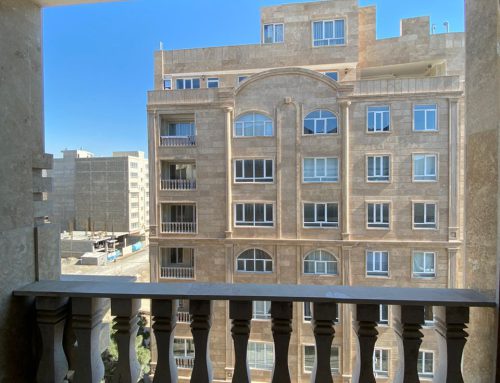
One of the most captivating aspects of Louvre profiles is their ability to enhance the aesthetic appeal of any structure. These profiles consist of overlapping slats or panels arranged at an angle, creating a distinctive and visually appealing pattern. Whether used in windows, doors, or exterior facades, Louvre profiles add a touch of elegance and sophistication to any architectural design. Their geometric patterns and rhythmic lines create a sense of harmony and balance, making them an ideal choice for both contemporary and traditional buildings.
-
Ventilation and Light Control:
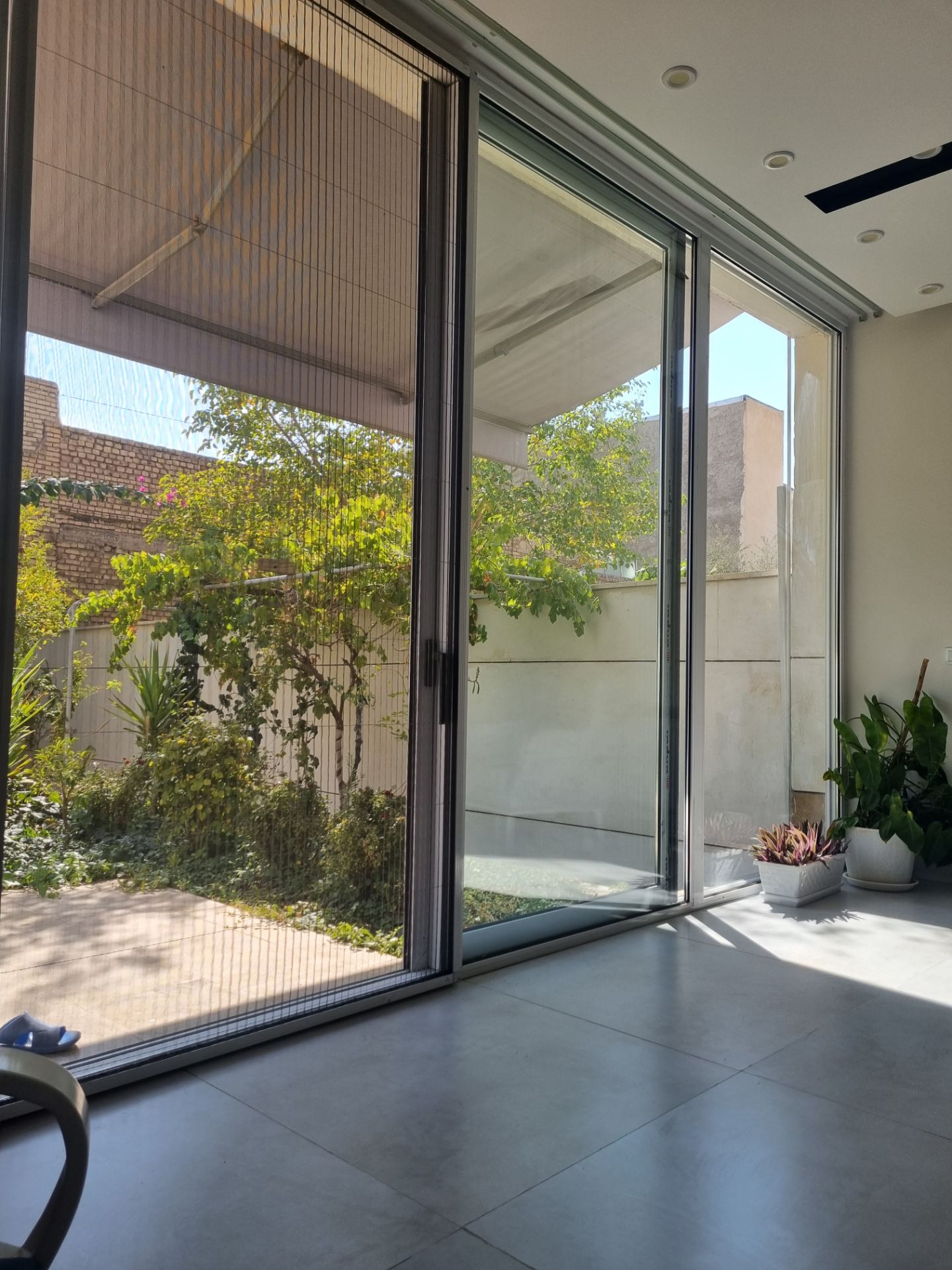
Practicality is another advantage of Louvre profiles. The design of the slats allows for controlled airflow and ventilation while simultaneously preventing excessive sunlight from entering the interior space. By adjusting the angle of the slats, occupants can regulate the amount of air and natural light that enters a room, creating a comfortable and well-ventilated environment. This feature is particularly beneficial in hot and humid climates, where maintaining a pleasant indoor temperature is crucial.
-
Privacy and Security:
Louvre profiles offer an effective solution for maintaining privacy without sacrificing natural light. By adjusting the angle of the slats, occupants can control the level of visibility from the outside, providing a sense of seclusion while still enjoying the benefits of daylight. Additionally, Louvre profiles can be designed with materials that enhance security, such as reinforced glass or sturdy metals, adding an extra layer of protection against potential intruders.
-
Sustainable Design:
In an era where sustainable design is gaining significant importance, Louvre profiles prove to be an eco-friendly choice. The adjustable slats allow for passive cooling by harnessing natural ventilation, reducing the reliance on energy-consuming air conditioning systems. Furthermore, the ability to control sunlight penetration reduces the need for artificial lighting during the day, thereby conserving energy.
-
Versatile Applications:
Louvre profiles offer a wide range of applications in architectural design. They can be incorporated into various elements, such as windows, doors, facades, sunscreens, and even interior partitions. This versatility allows architects and designers to seamlessly integrate Louvre profiles into different styles of buildings, from residential homes to commercial spaces and cultural institutions. Whether used as a prominent design feature or a subtle accent, Louvre profiles have the ability to transform the look and feel of any structure.
-
Low Maintenance:
Another advantage of Louvre profiles is their low maintenance requirements. Unlike traditional windows with multiple panes or intricate detailing, Louvre profiles consist of simple slats or panels that are easy to clean and maintain. Regular dusting or occasional washing is typically sufficient to keep them looking their best. This practical aspect makes Louvre profiles a convenient choice for homeowners and building managers who seek aesthetically pleasing features that don’t demand extensive upkeep.
-
Customization Options:
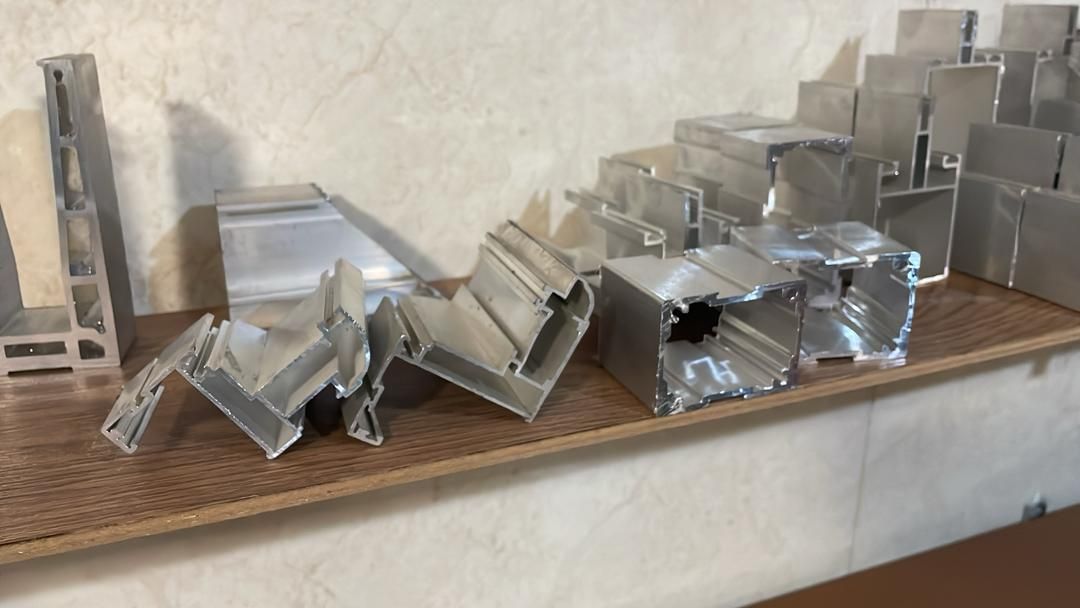
Louvre profiles offer a wealth of customization options to suit individual preferences and design needs. They can be crafted from a variety of materials, including wood, aluminum, steel, or even composite materials, allowing for different textures, colors, and finishes. Additionally, the angle and size of the slats can be adjusted to accommodate specific ventilation and light control requirements. This flexibility in design enables architects and homeowners to create unique and personalized spaces that reflect their vision and style.
-
Acoustic Benefits:
Beyond their visual and functional advantages, Louvre profiles can also provide acoustic benefits. When properly designed and installed, they can help reduce external noise pollution, creating a quieter and more peaceful indoor environment. This can be especially beneficial for buildings located in busy urban areas or near transportation hubs, where sound insulation is a priority.
-
Cultural and Symbolic Significance:
Finally, Louvre profiles hold cultural and symbolic significance in various regions around the world. From the iconic Mashrabiya windows in the Middle East to the jalousie windows in the Caribbean, Louvre profiles have become an integral part of architectural heritage in many cultures. By incorporating Louvre profiles into contemporary designs, architects pay homage to these traditional elements while simultaneously infusing modern aesthetics, resulting in a harmonious blend of past and present.
In conclusion
Louvre profiles continue to captivate and inspire architects and designers worldwide due to their unique blend of elegance, functionality, and sustainability. With their historic roots, aesthetic appeal, versatility, and numerous advantages such as ventilation control, privacy, and low maintenance, Louvre profiles have established themselves as a timeless architectural feature. As architectural trends evolve, Louvre profiles will undoubtedly continue to grace buildings, enriching spaces with their undeniable beauty and enhancing the lives of those who experience them.

Leave A Comment