
Online sales and implementation of the frameless façade
Introduction
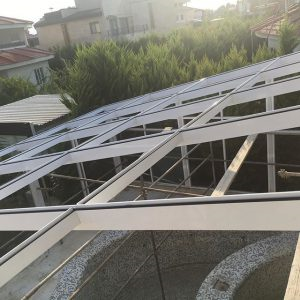
Online sales and implementation of the frameless façade
In the ever-evolving world of architecture and construction, the fusion of technology and design has revolutionized the way we build and interact with structures. One remarkable innovation that has gained significant attention in recent years is the frameless façade. Simultaneously, the rise of online sales and e-commerce platforms has transformed the way businesses operate and connect with their customers. This article explores the intersection of these two advancements, highlighting the benefits and challenges associated with the implementation of frameless façades and the role of online sales in promoting and facilitating their adoption.
The Rise of Frameless Façades
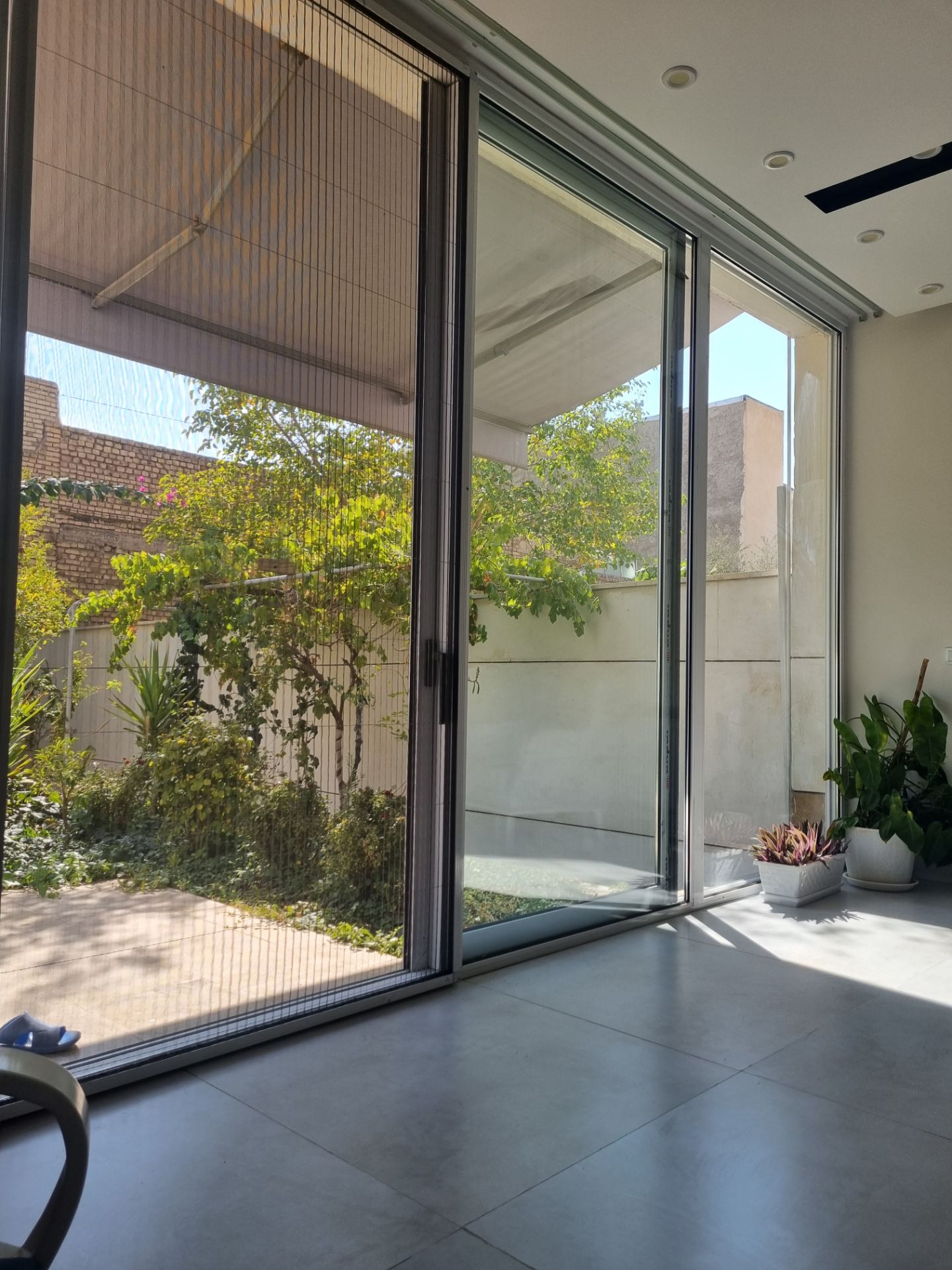
Frameless façades, also known as structural glazing systems, have emerged as an architectural solution that seamlessly integrates transparent surfaces into buildings. These cutting-edge designs eliminate the need for traditional framing systems, creating an elegant, minimalist aesthetic that allows unobstructed views and floods interior spaces with natural light. Frameless façades offer numerous benefits, including enhanced thermal and acoustic performance, improved energy efficiency, and a sense of openness and connection with the surroundings.
Implementation Challenges
Despite their undeniable allure, the implementation of frameless façades presents architects, builders, and manufacturers with several challenges. One of the primary concerns is the structural integrity of the building. As frameless façades rely on the strength of the glass panels and the bonding or attachment systems, careful engineering and rigorous testing are essential to ensure their safety and durability. Additionally, installation and maintenance can be complex and require specialized skills and expertise.
Online Sales: Transforming the Construction Industry
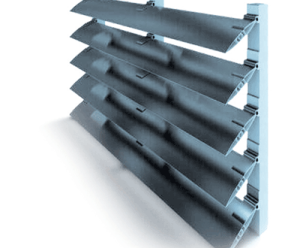
The advent of online sales has revolutionized the way consumers and businesses interact, providing convenience, accessibility, and global reach. The construction industry, traditionally reliant on offline sales channels, has not been immune to this transformation. Online platforms now enable architects, contractors, and suppliers to showcase their products and services, reach a wider audience, and streamline the procurement process. The implementation of frameless façades can benefit greatly from the integration of online sales strategies.
Advantages of Online Sales for Frameless Façades
- Access to a Global Market: Online sales eliminate geographical limitations, enabling manufacturers and suppliers of frameless façades to reach potential customers worldwide. This expanded market access opens up new opportunities for growth and collaboration.
- Enhanced Visualization: Digital platforms allow architects and designers to showcase frameless façades through 3D models, virtual reality (VR), and augmented reality (AR) applications. This technology enables clients to visualize the final product accurately, fostering better decision-making and reducing the risk of misunderstandings.
- Streamlined Procurement: Online sales platforms provide a centralized hub where architects and builders can explore different frameless façade options, compare prices, and access technical specifications. This simplifies the procurement process, allowing for efficient selection and ordering of materials.
- Collaboration and Networking: Online communities, forums, and social media groups dedicated to architecture and construction create opportunities for professionals to share knowledge, exchange ideas, and foster collaborations. These networks facilitate the dissemination of information about frameless façades, encouraging innovation and best practices.
Challenges and Solutions
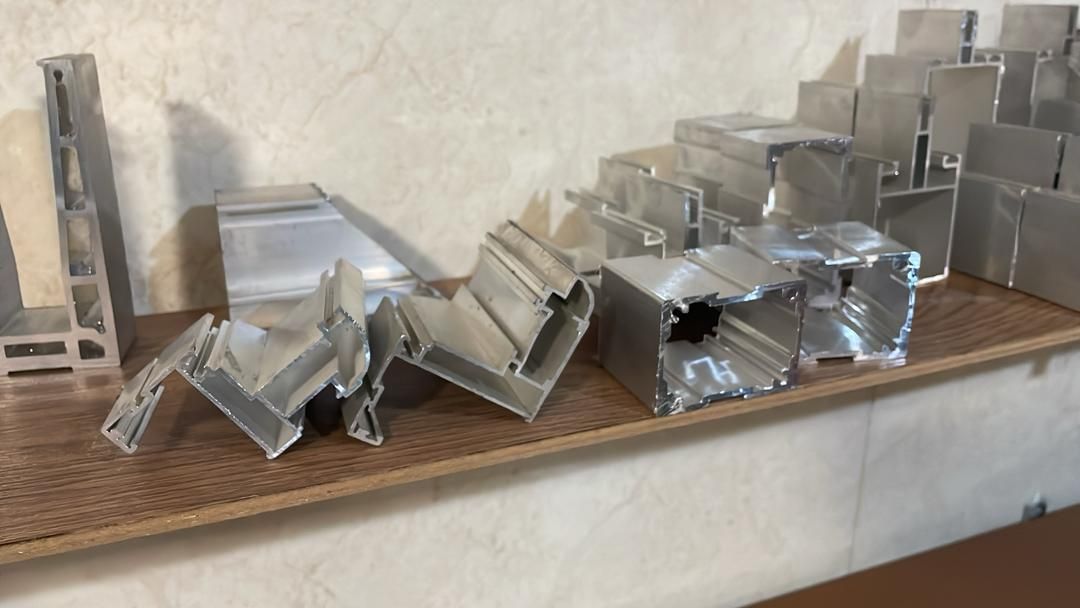
While online sales present numerous advantages, some challenges remain. For instance, the tactile nature of construction materials, such as glass panels, can be difficult to convey accurately through digital platforms. To address this, businesses can offer samples or organize virtual showroom tours to give customers a better understanding of the product’s texture, color, and quality.
Furthermore, effective customer support and communication are crucial for addressing inquiries, providing technical guidance, and ensuring a smooth purchasing experience. Robust online customer service channels and clear documentation can help bridge the gap between buyers and sellers.
Conclusion

The combination of online sales and the implementation of frameless façades represents a powerful synergy between technology, design, and construction. As the construction industry continues to evolve, embracing online platforms can amplify the visibility and accessibility of frameless façades, accelerating their adoption and facilitating collaboration among architects, suppliers, and builders. By leveraging the advantages of online sales, we can unlock the full potential of frameless façades, transforming the way we experience and interact with our built environment.
As the construction industry continues to evolve, embracing online platforms can amplify the visibility and accessibility of frameless façades, accelerating their adoption and facilitating collaboration among architects, suppliers, and builders. By leveraging the advantages of online sales, we can unlock the full potential of frameless façades, transforming the way we experience and interact with our built environment.
While challenges such as ensuring accurate product representation and providing robust customer support exist, they can be overcome through innovative solutions and a customer-centric approach. The integration of technologies like virtual reality, augmented reality, and sample offerings can bridge the gap between the physical and digital realms, allowing clients to make informed decisions. Furthermore, maintaining a strong online presence and responsive communication channels can build trust and foster long-term relationships with customers.
As frameless façades continue to gain popularity, architects and builders must stay updated with the latest advancements in both technology and construction practices. Collaborative platforms and online communities offer opportunities to learn from industry experts, exchange ideas, and stay informed about emerging trends and best practices. This collective knowledge sharing can drive innovation and push the boundaries of what is possible with frameless façades.
In conclusion, the synergy between online sales and the implementation of frameless façades has the potential to reshape the construction industry. By embracing digital platforms, architects, manufacturers, and suppliers can leverage the global reach, enhanced visualization, streamlined procurement, and networking opportunities that online sales offer. Together, these advancements will enable the widespread adoption of frameless façades, creating structures that are not only visually stunning but also energy-efficient, sustainable, and harmoniously integrated with their surroundings. The future of architecture is at our fingertips, and the frameless façade is poised to be a defining element in this transformative journey.



Leave A Comment