
Italian Aluminum
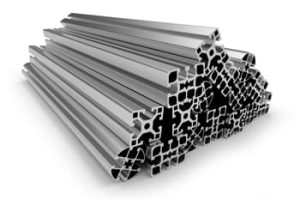
When one thinks of Italy, images of historical architecture, rich cultural heritage, and exquisite cuisine often come to mind. However, there is another aspect of Italy’s legacy that deserves recognition: its aluminum industry. Italy’s contribution to the aluminum sector is marked by a unique blend of craftsmanship, innovation, and sustainability. From its early beginnings to its present-day advancements, Italian aluminum has consistently set the benchmark for quality and excellence.
A Historical Perspective
Italy’s association with aluminum dates back to the late 19th century when the metal was first isolated and produced in commercial quantities. The country’s abundant supply of bauxite ore, a primary source of aluminum, laid the foundation for its aluminum industry. The establishment of aluminum smelting facilities in regions like Sardinia and the Trentino-Alto Adige marked the industry’s initial growth.
Craftsmanship Meets Innovation
Italian aluminum manufacturing quickly developed a reputation for meticulous craftsmanship. This attention to detail and commitment to excellence set Italian aluminum products apart in a global market. The combination of skilled artisans and cutting-edge technology ensured that every piece of aluminum produced was of the highest quality.
From the iconic Moka pot designed by Alfonso Bialetti in the 1930s to Alessi’s contemporary kitchenware designs, Italian aluminum products have consistently fused functional design with artistic appeal. The marriage of craftsmanship and innovation has led to the creation of products that are not only utilitarian but also aesthetic masterpieces.
Sustainability and Eco-Friendly Practices
In recent decades, as environmental concerns have taken center stage, the Italian aluminum industry has embraced sustainable practices. Manufacturers have invested in energy-efficient technologies and recycling processes to minimize their carbon footprint. The “Made in Italy” label has expanded to encompass a commitment to eco-friendly production.
Italy’s aluminum sector has also demonstrated leadership in the adoption of recycled aluminum. Recycling aluminum requires significantly less energy compared to producing it from raw materials, contributing to a circular economy. This approach aligns with Italy’s cultural emphasis on preserving its natural resources for future generations.
Diverse Applications
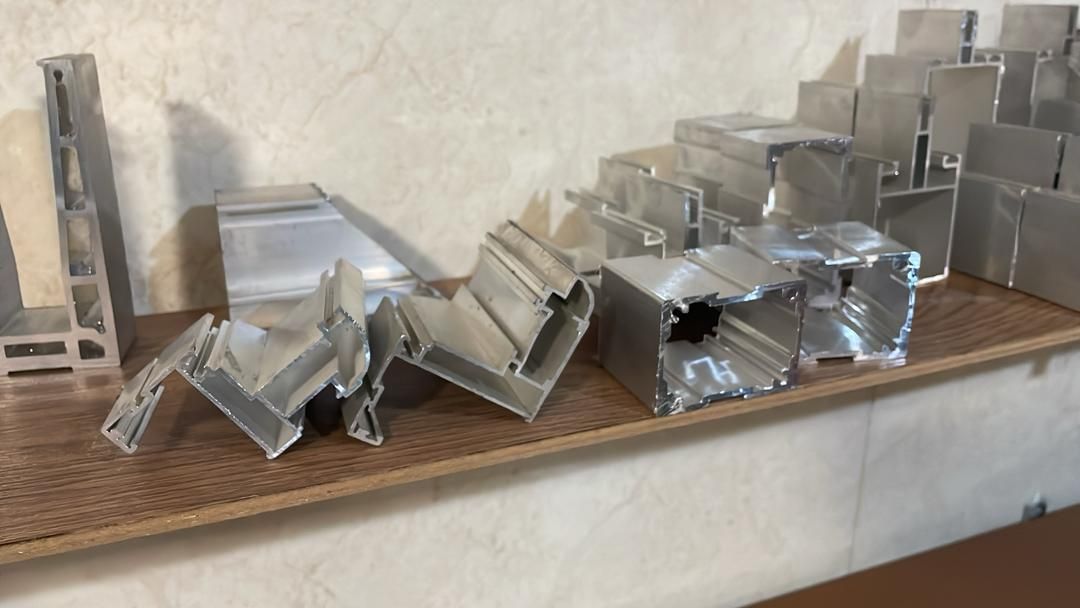
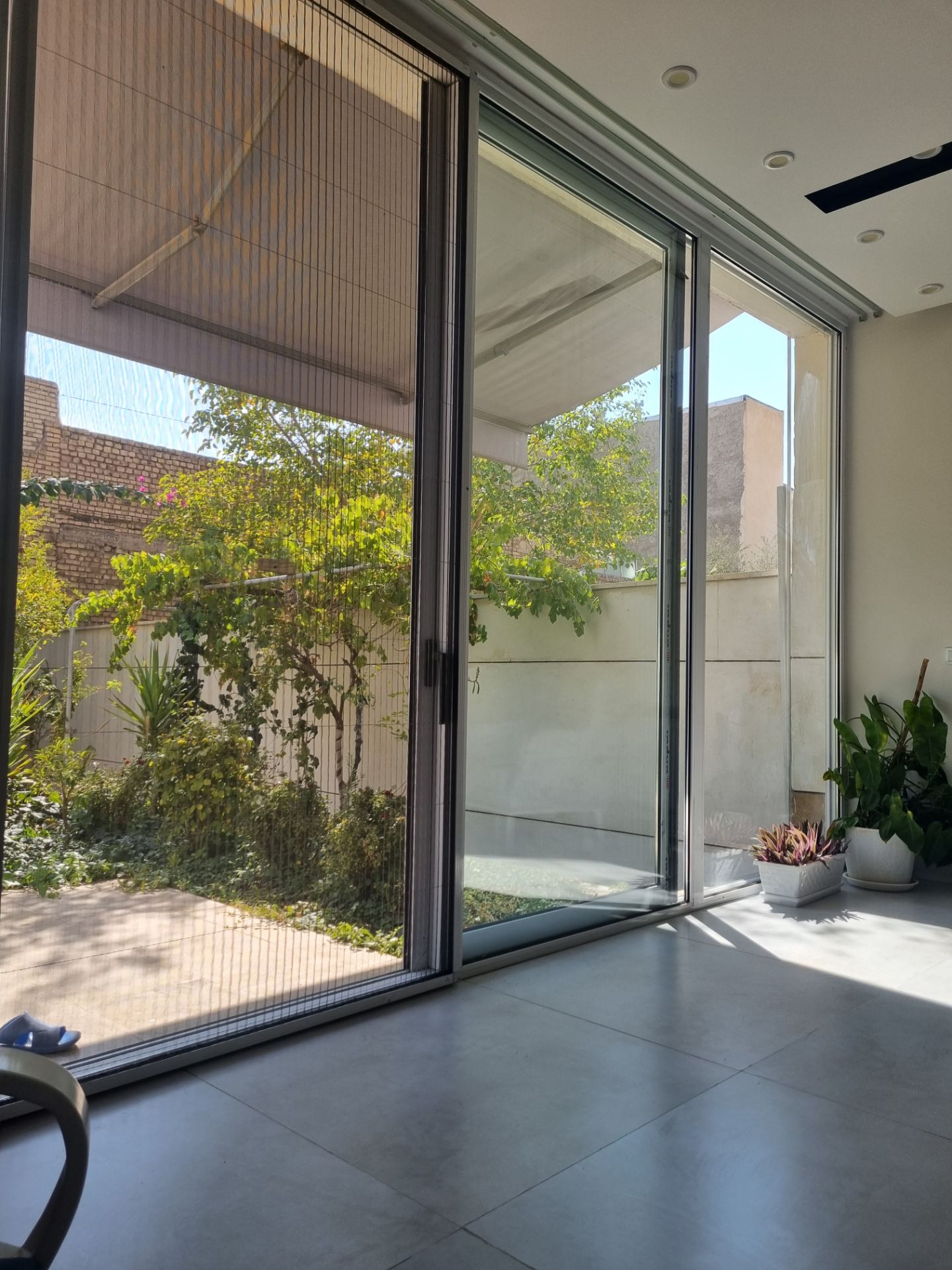
Italian aluminum’s versatility is showcased through its widespread applications across various industries. The automotive sector relies on aluminum for lightweighting, enhancing fuel efficiency, and reducing emissions. In architecture, aluminum’s strength-to-weight ratio allows for innovative and sustainable building designs.
Furthermore, the aerospace, packaging, and electronics industries benefit from the exceptional properties of Italian aluminum. Its corrosion resistance, thermal conductivity, and electrical conductivity make it indispensable in modern technology and manufacturing.
Challenges and Future Outlook
Despite its numerous achievements, the Italian aluminum industry does face challenges. Competition from global markets and fluctuating raw material costs pose ongoing concerns. However, Italy’s commitment to quality, sustainability, and innovation provides a solid foundation for overcoming these challenges.
Looking ahead, the future of Italian aluminum appears promising. Continued investments in research and development will likely yield new breakthroughs, allowing the industry to remain at the forefront of innovation. As sustainability becomes increasingly crucial, Italian aluminum’s eco-friendly practices and circular economy initiatives will likely position it as a leader in responsible manufacturing.
In Conclusion
Italian aluminum stands as a testament to Italy’s enduring legacy of craftsmanship, innovation, and commitment to excellence. From its historical roots to its present-day advancements, the industry’s fusion of artistry, technology, and sustainability is a model for others to emulate. As Italy continues to shape the aluminum landscape, the world can anticipate a future where “Made in Italy” remains synonymous with unparalleled quality and innovation in aluminum production.
The story of Italian aluminum is not merely one of industrial success; it’s a narrative that reflects the broader Italian ethos. Just as the country’s art, architecture, and cuisine reflect a deep appreciation for beauty and functionality, Italian aluminum products encapsulate this same philosophy. Every piece of aluminum produced carries with it the spirit of Italian craftsmanship, a dedication to detail, and a quest for innovation.
The Italian aluminum industry’s commitment to sustainability is also emblematic of a global shift toward responsible production. As environmental concerns intensify, industries worldwide are seeking ways to reduce their impact on the planet. Italy’s aluminum sector’s proactive approach in adopting sustainable practices, recycling, and energy-efficient technologies demonstrates how economic growth and environmental stewardship can coexist harmoniously.
As we peer into the horizon of possibilities for Italian aluminum, it’s clear that challenges will continue to arise. Global economic shifts, technological disruptions, and environmental pressures are constants that all industries must navigate. However, with a foundation built on a legacy of innovation and craftsmanship, the Italian aluminum industry is well-equipped to overcome these challenges and embrace new opportunities.
In conclusion, Italian aluminium embodies the soul of a nation that has long been associated with creativity, elegance, and ingenuity. From its historical beginnings to its modern innovations, the Italian aluminum industry is more than a manufacturing sector; it’s a symbol of Italy’s unwavering commitment to excellence, sustainability, and progress. As long as there is aluminum being shaped in Italian foundries and workshops, the world can expect to witness the continuation of this remarkable legacy, proudly stamped with the mark of “Made in Italy.”



Leave A Comment