
Aluminum Profile Extrusions

Aluminum Profile Extrusions,In today’s fast-paced world, where innovation and efficiency are paramount, the manufacturing industry continually seeks advanced techniques to shape and mold materials into the products we rely on daily. One such technique that has revolutionized industries across the spectrum is aluminum profile extrusion. This process has not only transformed the way we design and manufacture products but has also played a pivotal role in sustainable practices due to the inherent properties of aluminum.
Understanding Aluminum Profile Extrusions:
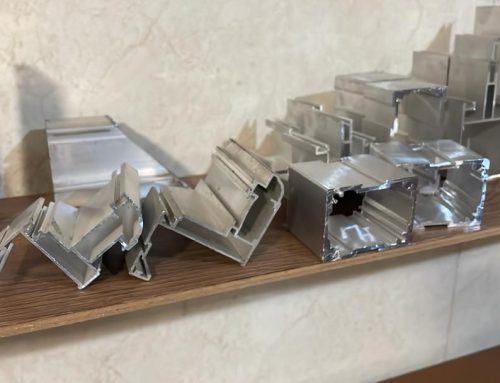
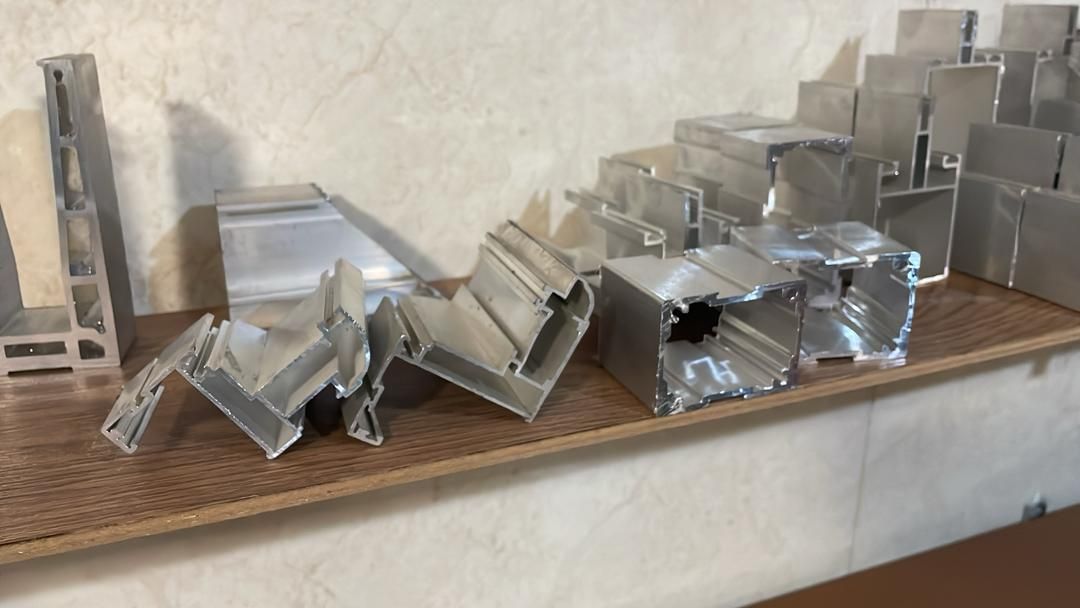
Aluminum profile extrusion is a manufacturing process that involves shaping aluminum alloys into predetermined cross-sectional profiles. The process begins with raw aluminum material, often in the form of billets or logs, which are heated to a specific temperature to become more malleable. These softened aluminum billets are then forced through a specially designed die, which imparts the desired shape onto the material.
The die used in the extrusion process is a crucial element, determining the final shape of the aluminum profile. Dies are custom-made based on the product requirements and can range from simple to highly intricate designs. As the softened aluminum is pushed through the die, it takes on the shape of the die’s opening, resulting in the desired cross-sectional profile. Once extruded, the profiles are cooled, cut to the desired lengths, and often subjected to additional processes like machining, finishing, or coating.
Versatility and Applications:
Aluminum profile extrusions have gained immense popularity due to their unparalleled versatility. Industries across the board, from construction and automotive to electronics and renewable energy, have embraced this technique to create an array of products.
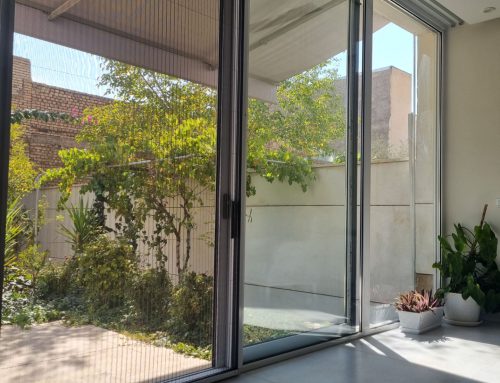
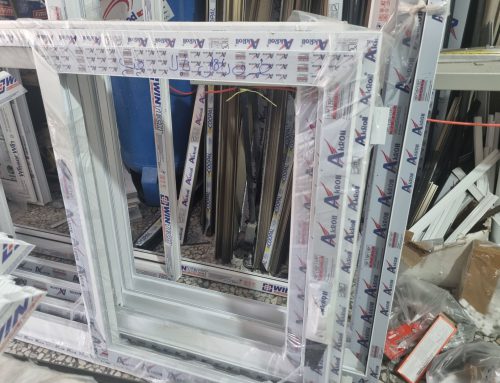
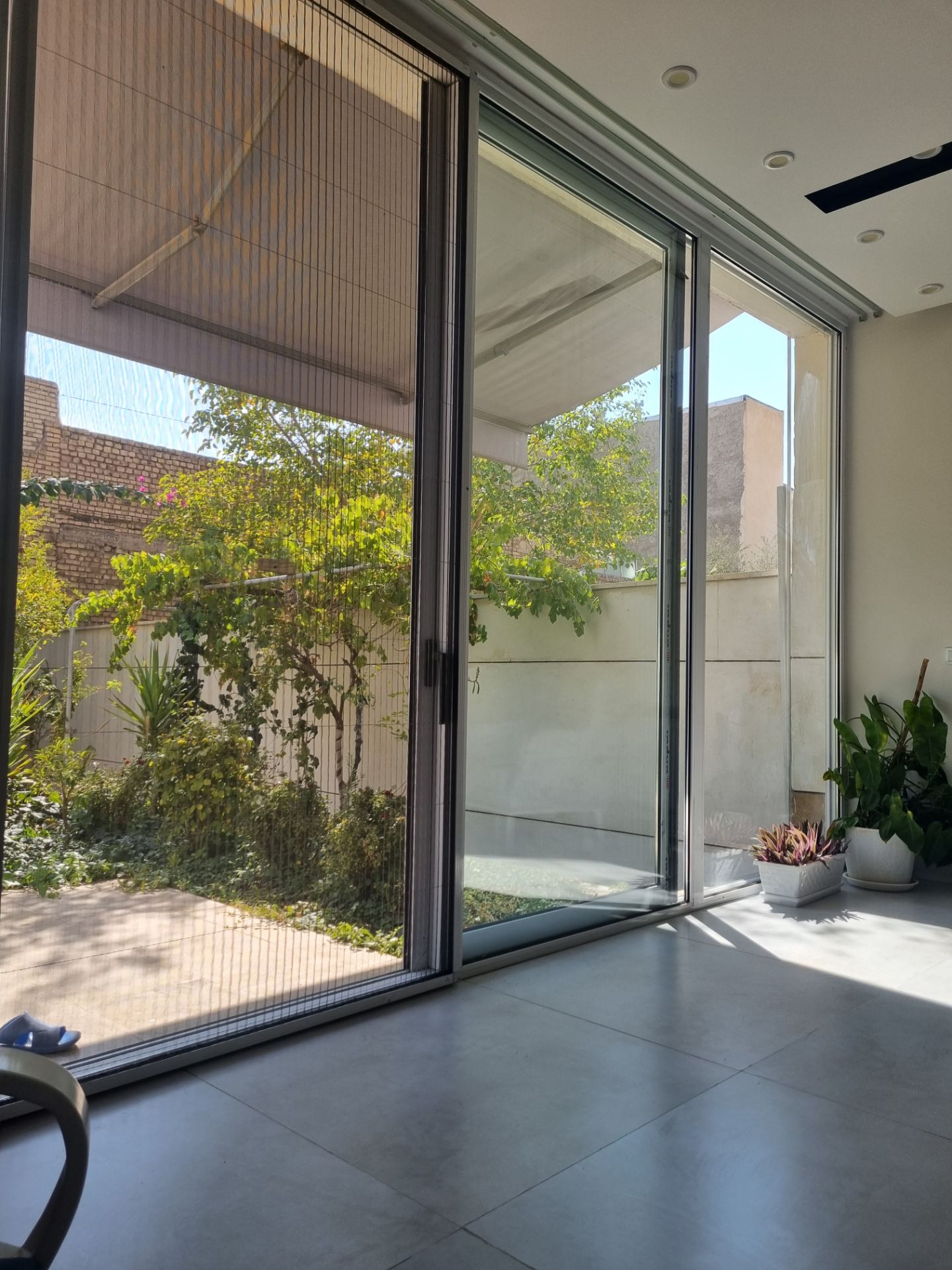
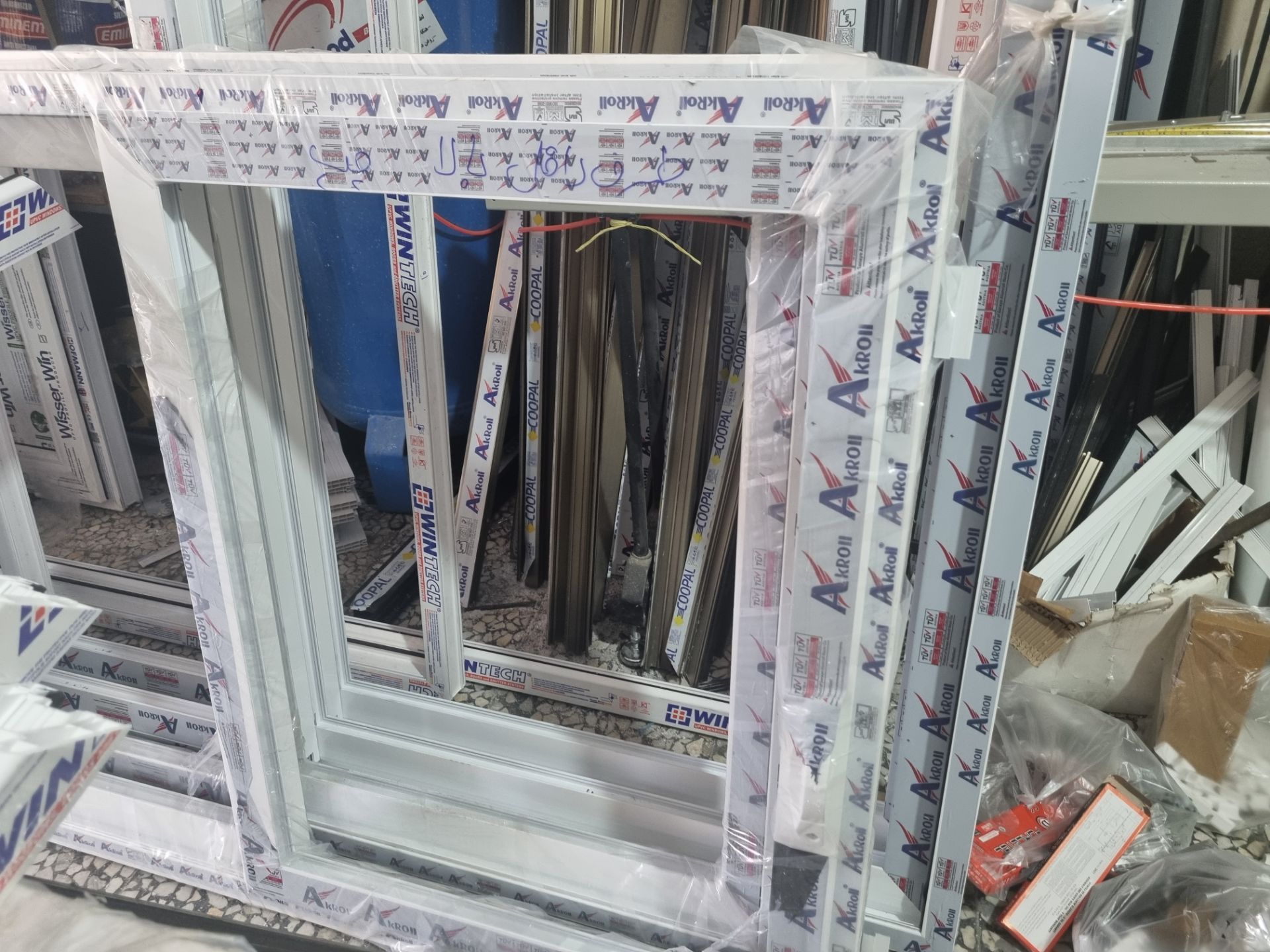
- Architecture and Construction: In the architectural world, aluminum profiles have transformed the way buildings are designed and constructed. These profiles are used for windows, doors, curtain walls, and structural components. Their lightweight nature, combined with high strength and corrosion resistance, makes aluminum extrusions an ideal choice for both aesthetic and functional applications in modern construction.
- Transportation: The automotive and aerospace industries utilize aluminum profiles for their lightweight properties, contributing to improved fuel efficiency and performance. Extruded aluminum is found in structural components, heat sinks, body panels, and interior trims, showcasing the adaptability of this process to various transportation needs.
- Electronics: The electronic industry benefits from aluminum extrusions in the form of heat sinks for electronic components. The excellent thermal conductivity of aluminum helps dissipate heat efficiently, enhancing the performance and lifespan of electronic devices.
- Renewable Energy: With the global shift towards renewable energy sources, aluminum profiles play a crucial role in manufacturing solar panels and wind turbines. Their durability and corrosion resistance ensure the longevity of these energy systems, even in harsh environmental conditions.
- Consumer Goods: From kitchen appliances and furniture to sporting equipment, aluminum profiles are integrated into a wide range of consumer products. Their sleek appearance, combined with lightweight and durable characteristics, align with the demands of modern consumers.
Advantages of Aluminum Profile Extrusions:
The popularity of aluminum profile extrusions can be attributed to the numerous advantages they offer:
- Design Freedom: Extrusion allows for intricate and complex shapes that would be difficult or impossible to achieve through traditional manufacturing methods.
- Lightweight and Strong: Aluminum is inherently lightweight while retaining high strength, making it ideal for applications where weight reduction is crucial without compromising structural integrity.
- Corrosion Resistance: Aluminum naturally forms a protective oxide layer, rendering it highly resistant to corrosion and ensuring durability even in challenging environments.
- Thermal Conductivity: Aluminum’s superior thermal conductivity makes it an excellent choice for heat transfer applications, such as heat sinks in electronics.
- Sustainability: Aluminum is fully recyclable, aligning with the growing emphasis on sustainable practices and circular economies.
Challenges and Future Innovations:
While aluminum profile extrusions offer a multitude of benefits, there are also challenges that manufacturers and researchers are addressing to further optimize the process and its outcomes.
- Die Design and Precision: Achieving intricate and complex shapes requires advanced die design and manufacturing techniques. As industries demand increasingly intricate profiles, innovations in die design and manufacturing are essential to maintain precision and consistency.
- Material Variability: The properties of aluminum can vary based on the alloy used and the extrusion process itself. Ensuring consistent material properties across batches is crucial for maintaining the quality and performance of extruded products.
- Energy Consumption: While aluminum extrusion is energy-efficient compared to other metal shaping methods, there is ongoing research to further reduce energy consumption in the process, contributing to overall sustainability.
- Surface Finish: Depending on the application, the surface finish of extruded profiles can be critical. Improvements in surface finish technology, including anodizing, powder coating, and polishing, are continuously explored to meet varying industry requirements.
- Integration with Digital Technologies: Industry 4.0 and digital manufacturing are making their way into aluminum extrusion processes. The integration of data-driven approaches, simulations, and automation is enhancing efficiency, reducing waste, and enabling rapid prototyping.
Looking Ahead:
The future of aluminum profile extrusions appears promising, as advancements in technology and materials continue to reshape the possibilities. Some of the anticipated developments include:
- Nano-Structured Alloys: Research into nano-structured aluminum alloys could yield materials with even better strength-to-weight ratios and enhanced properties, leading to products with improved performance.
- Hybrid Extrusions: Combining aluminum extrusions with other materials, such as composites, could create hybrid profiles that offer unique combinations of properties for specialized applications.
- Additive Manufacturing Integration: The integration of additive manufacturing (3D printing) with aluminum extrusion could revolutionize the production of customized profiles and complex geometries.
- Energy-Efficient Processes: Innovations in heating methods and die design could lead to more energy-efficient extrusion processes, reducing the carbon footprint of this manufacturing technique.
- Recycling and Circular Economy: With a strong focus on sustainability, the industry is exploring ways to make the extrusion process even more environmentally friendly, including advancements in recycling techniques for aluminum alloys.
Conclusion: Shaping a Transformed Future
Aluminum profile extrusions have undeniably transformed industries across the globe. From monumental architectural structures to intricate electronic components, the adaptability and versatility of aluminum profiles have changed the way we design, manufacture, and interact with products. As we continue to witness advancements in materials science, design innovation, and manufacturing technologies, the journey of aluminum profile extrusions is far from over. This manufacturing technique will likely remain a cornerstone of modern industry, propelling us towards a future where precision, sustainability, and creativity converge to shape the world around us.



Leave A Comment