
What is an Aluminum profile?
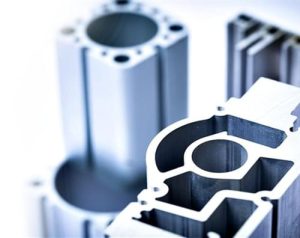
In the realm of modern engineering and design, aluminum profiles have emerged as indispensable components that offer versatility, strength, and aesthetic appeal across a wide range of applications. From construction and industrial machinery to consumer electronics and automotive systems, aluminum profiles play a pivotal role in shaping the world around us. But what exactly is an aluminum profile, and why is it so significant? This article delves into the fundamentals of aluminum profiles, exploring their characteristics, uses, and advantages.
Understanding Aluminum Profiles:
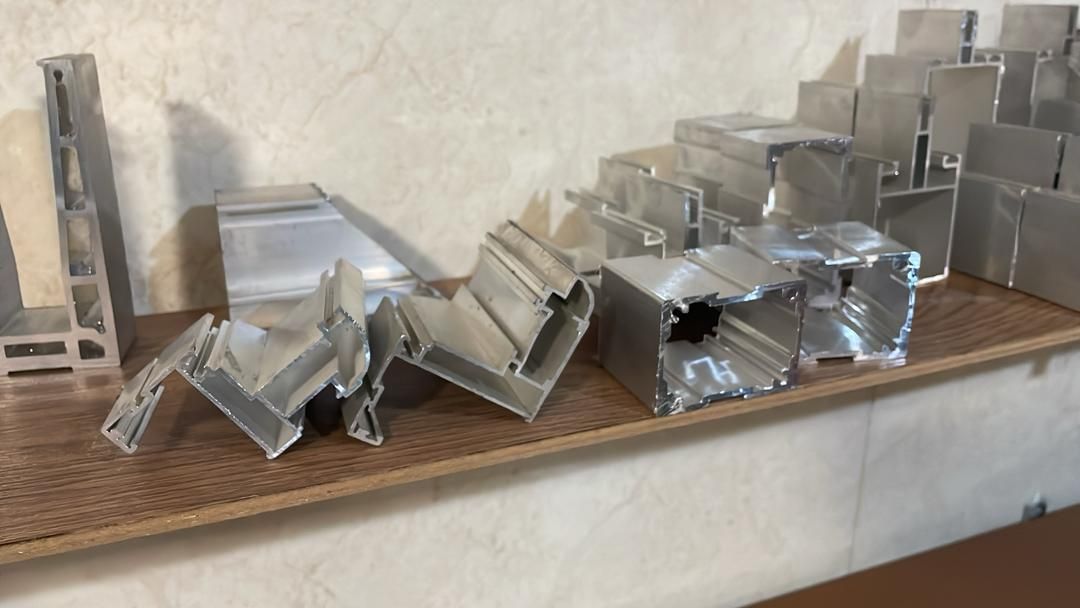
An aluminum profile, also known as an aluminum extrusion, is a length of aluminum alloy that has been shaped by a process called extrusion. Extrusion involves forcing a heated aluminum billet through a shaped die, resulting in a continuous piece with a consistent cross-sectional shape. This process allows for the creation of complex shapes that are difficult to achieve through traditional manufacturing methods.
Characteristics and Properties:
Aluminum profiles possess a variety of characteristics that make them highly sought after in various industries:
- Lightweight yet Strong: Aluminum is known for its exceptional strength-to-weight ratio. Profiles made from aluminum alloys offer structural integrity without adding unnecessary weight, making them ideal for applications where weight reduction is essential.
- Corrosion Resistance: Aluminum naturally forms a protective oxide layer on its surface, rendering it highly resistant to corrosion. This property enhances the longevity and durability of aluminum profiles, even in challenging environments.
- Machinability and Formability: Aluminum is easy to machine, cut, and shape, allowing for intricate designs and precise dimensions. This versatility enables manufacturers to tailor profiles to specific requirements.
- Thermal and Electrical Conductivity: Aluminum profiles exhibit excellent thermal conductivity, dissipating heat efficiently. Additionally, they are good conductors of electricity, making them suitable for applications requiring heat dissipation or electrical conductivity.
- Aesthetic Appeal: The smooth surface finish of aluminum profiles, along with the ability to apply various coatings and finishes, contributes to their aesthetic appeal, making them suitable for both functional and decorative applications.
Applications of Aluminum Profiles:
Aluminum profiles find applications across a vast spectrum of industries, including:
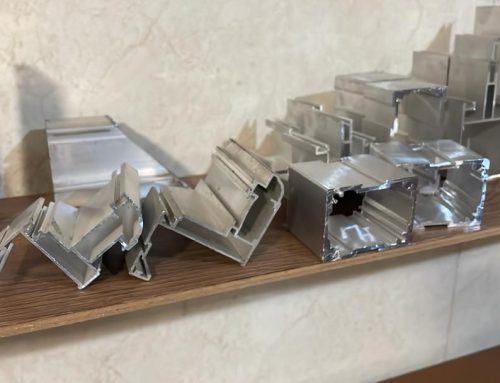
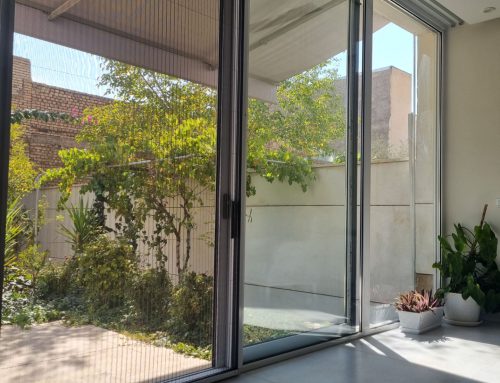
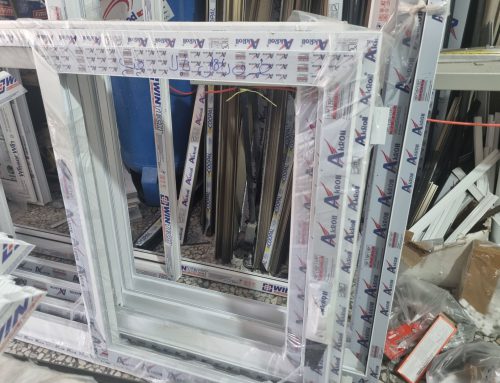
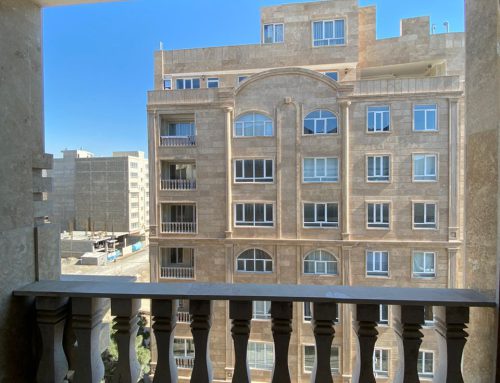
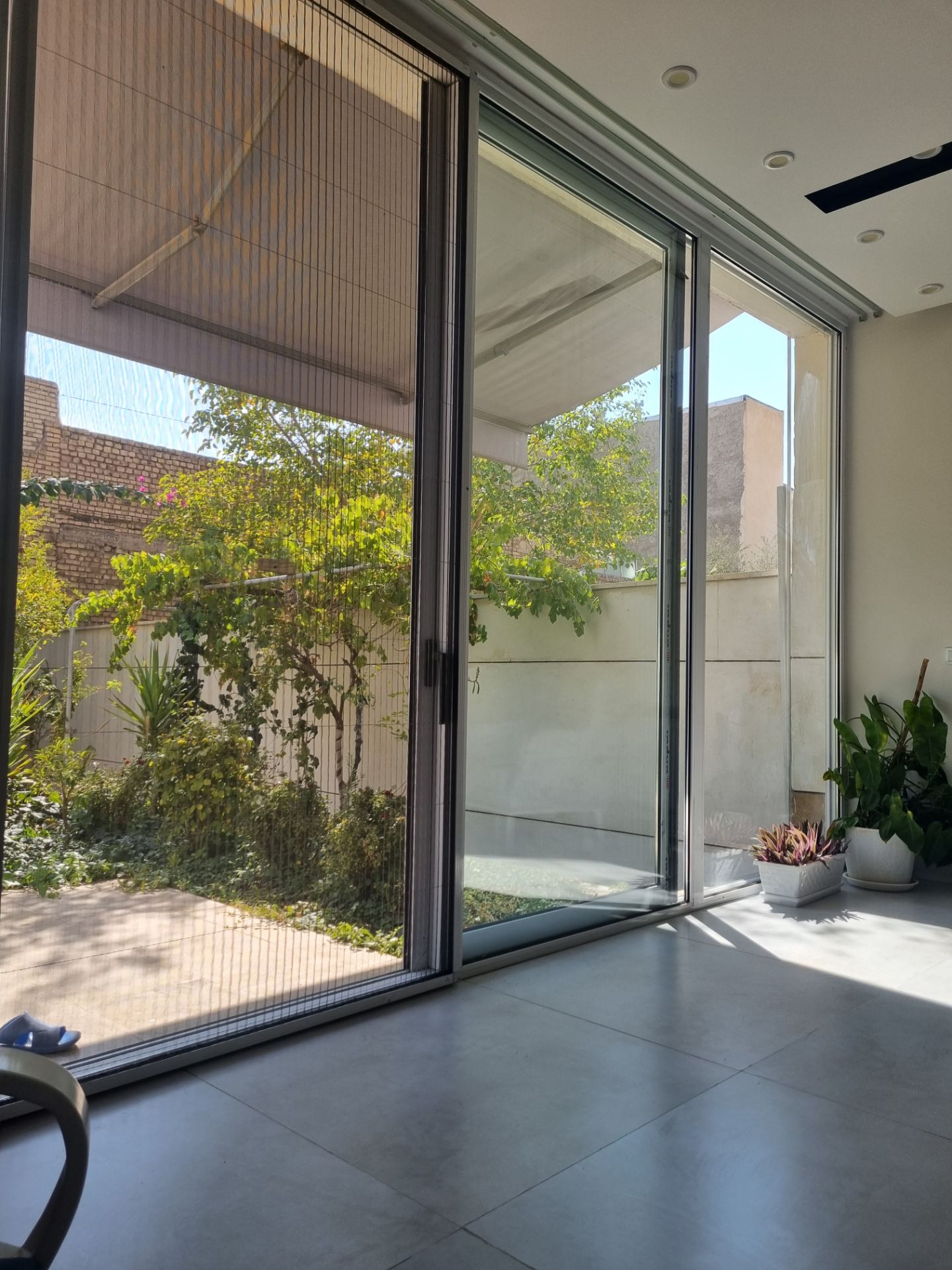
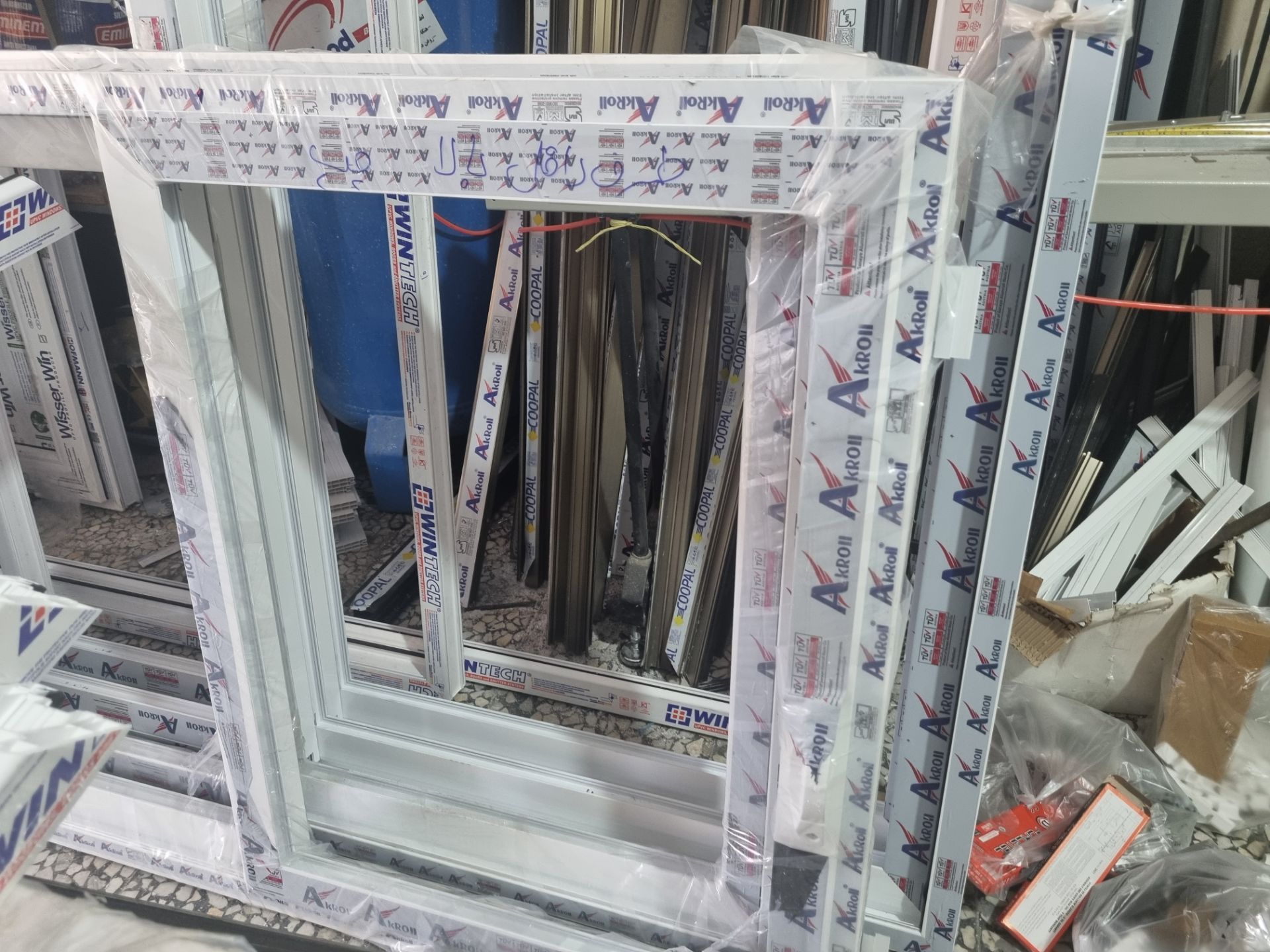
- Construction: Aluminum profiles are used in structural components of buildings, windows, doors, curtain walls, and roofing systems due to their lightweight nature, corrosion resistance, and design flexibility.
- Transportation: In the automotive, aerospace, and marine industries, aluminum profiles are employed in chassis, frames, panels, and interiors, contributing to fuel efficiency through weight reduction.
- Industrial Equipment: Machinery and equipment benefit from aluminum profiles in frames, conveyor systems, workstations, and enclosures due to their durability and ease of customization.
- Electronics: Aluminum profiles aid in the creation of heat sinks, enclosures, and frames for electronic devices, ensuring proper heat dissipation and protection.
- Furniture and Retail Displays: The versatility of aluminum profiles enables the creation of modern and customizable furniture designs, as well as retail displays and exhibition stands.
Advantages of Aluminum Profiles:
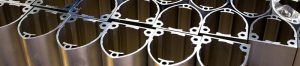
The advantages of using aluminum profiles are numerous:
- Design Flexibility: Aluminum profiles can be crafted into intricate shapes, allowing designers to bring their ideas to life with precision.
- Cost-Effective: The efficiency of the extrusion process and the recyclability of aluminum contribute to cost-effectiveness over the product’s lifecycle.
- Sustainability: Aluminum is highly sustainable due to its recyclability, energy efficiency during production, and long lifespan.
- Low Maintenance: The inherent corrosion resistance of aluminum profiles minimizes maintenance requirements, reducing long-term costs.
Conclusion:
In essence, aluminum profiles are not just mere components; they are the building blocks of modernity. Their remarkable combination of strength, lightweight construction, corrosion resistance, and design versatility has revolutionized industries across the globe. From towering skyscrapers to sleek consumer electronics, these profiles have left an indelible mark on how we conceive, create, and interact with our environment.
As technological advancements propel us into the future, aluminum profiles are likely to evolve even further. Innovations in alloy composition, extrusion techniques, and surface treatments will likely enhance their already impressive array of attributes. The ongoing emphasis on sustainability and eco-friendly practices will continue to favor aluminum profiles due to their recyclability and energy-efficient production methods.
When considering the significance of aluminum profiles, it’s essential to recognize their role not only in functional applications but also in pushing the boundaries of design. Their ability to seamlessly merge form and function has made them a favorite among architects, engineers, and designers who constantly seek new ways to challenge convention and create the extraordinary.
In conclusion, aluminum profiles encapsulate the spirit of modern engineering and design by embodying innovation, sustainability, and adaptability. Their presence can be seen in the skylines of cities, the interiors of vehicles, and the devices we use daily. As we continue to find novel applications and techniques, one thing remains certain: aluminum profiles will remain a cornerstone of progress, propelling us into a future where possibilities are as limitless as the shapes these profiles can take.


Leave A Comment