
Structural calculation curtain wall PDF
Introduction
Curtain walls are an essential component of modern architectural design, offering a delicate balance between aesthetics, energy efficiency, and structural integrity. These non-structural façade systems are widely used in commercial and residential buildings to create an aesthetically pleasing and functional building envelope. However, despite their seemingly lightweight appearance, curtain walls must adhere to rigorous structural calculations to ensure they can withstand environmental forces and maintain occupant safety. In this article, we delve into the significance of structural calculations in curtain wall design, with a focus on the role of PDF documentation.
Understanding Curtain Walls
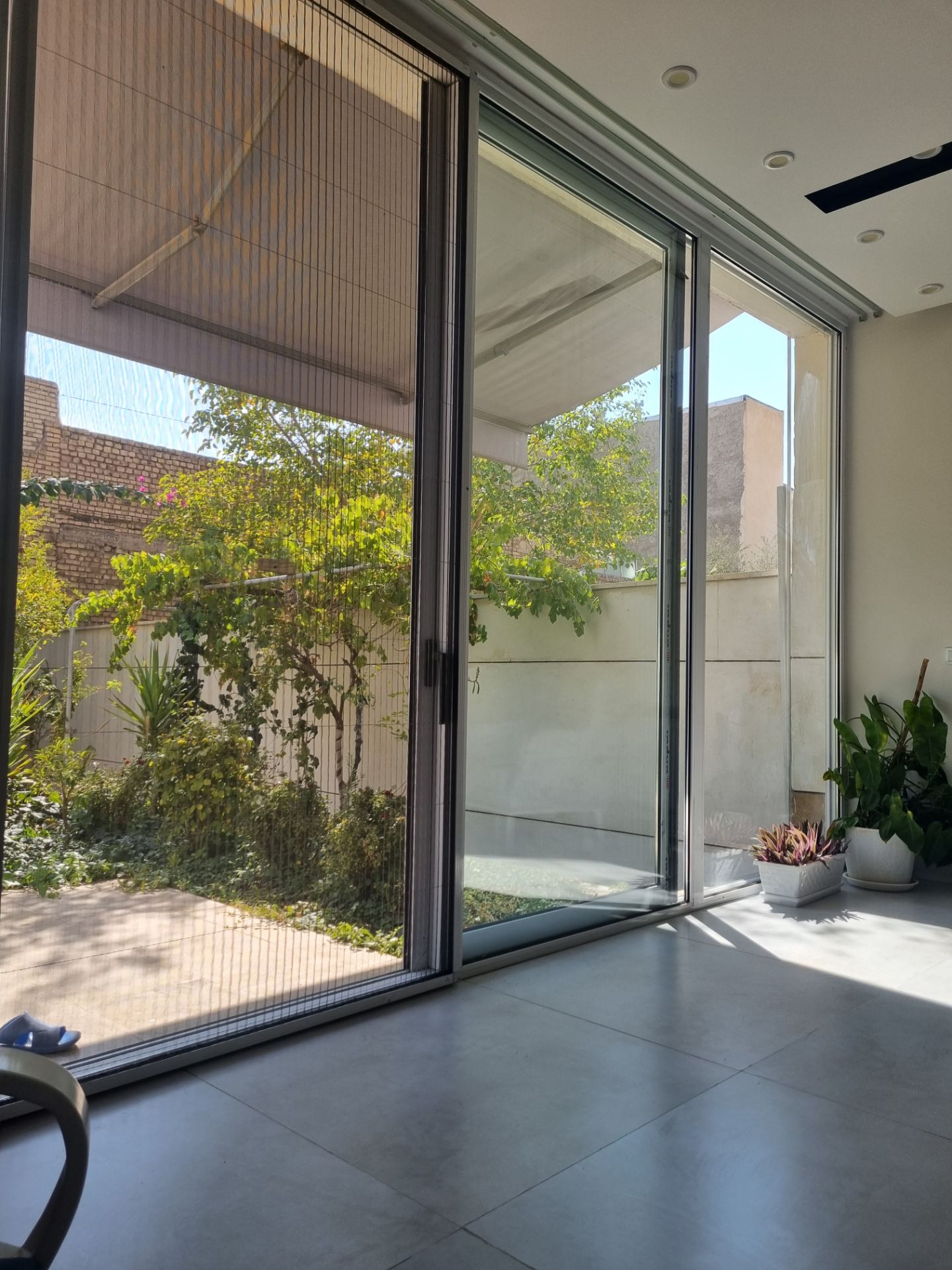
Curtain walls are external coverings of a building that are non-structural in nature, meaning they do not carry the building’s load. Instead, they are designed to resist wind loads, water penetration, and other environmental factors while providing an attractive visual aspect. Curtain walls are typically constructed using lightweight materials like glass, aluminum, and composite panels. While these materials are chosen for their aesthetic appeal and energy-efficient properties, they also pose unique challenges in terms of structural stability.
Importance of Structural Calculations
Structural calculations play a crucial role in ensuring the safety and performance of curtain walls. Unlike traditional load-bearing walls, curtain walls rely on proper engineering to withstand wind pressures, temperature fluctuations, seismic activity, and other external forces. Here are some key reasons why structural calculations are indispensable in curtain wall design:
- Safety: The safety of building occupants and the general public is paramount. A curtain wall failure could have disastrous consequences. Accurate structural calculations ensure that the curtain wall can withstand forces without collapsing or causing harm.
- Building Codes and Regulations: Most countries have stringent building codes and regulations that dictate the minimum structural requirements for various building components, including curtain walls. Adhering to these codes is essential for legal compliance and avoiding costly penalties.
- Customization: Each building has unique architectural specifications and environmental conditions. Structural calculations enable designers to customize curtain wall solutions that meet the specific needs of a project while maintaining structural integrity.
- Performance: A properly designed curtain wall not only resists external forces but also maintains its performance over time. Structural calculations take into account factors such as thermal expansion, material degradation, and long-term durability.
Role of PDF Documentation
In modern construction, the exchange of information is increasingly digital. PDF (Portable Document Format) documentation has become a standard for sharing technical details, and it plays a significant role in curtain wall design and structural calculations.
- Clarity and Communication: Complex structural calculations involve a plethora of data, equations, and diagrams. PDF documentation allows engineers and architects to present these calculations in a clear and organized manner, enhancing communication between all stakeholders.
- Collaboration: Curtain wall design is a collaborative effort involving architects, structural engineers, contractors, and manufacturers. PDF documentation can be easily shared, reviewed, and commented on, enabling seamless collaboration and efficient decision-making.
- Archival and Reference: PDF documents serve as a reliable source of information for future reference. Design choices, assumptions, and calculations can be preserved in a format that can be accessed years later, aiding in renovations, repairs, or future expansions.
- Regulatory Compliance: Building authorities and regulatory bodies often require detailed documentation of structural calculations before approving construction permits. PDF documents provide a standardized format for submitting and reviewing these calculations.
Challenges and Considerations in Curtain Wall Structural Calculations
While the importance of structural calculations in curtain wall design is clear, there are several challenges and considerations that engineers and designers must address to ensure a successful outcome:
- Complexity of Loads: Curtain walls are subjected to a variety of loads, including wind, seismic, thermal, and dead loads. These loads can vary significantly based on the building’s location, height, and design. Accurate estimation of these loads is crucial for designing curtain walls that can withstand the expected forces.
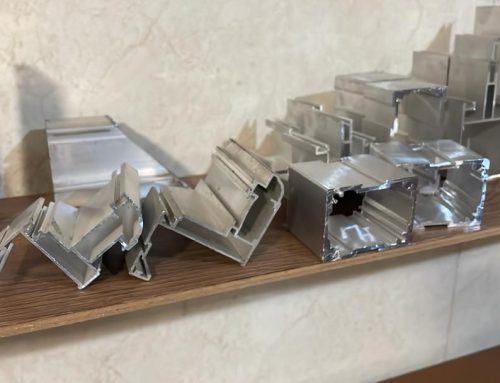
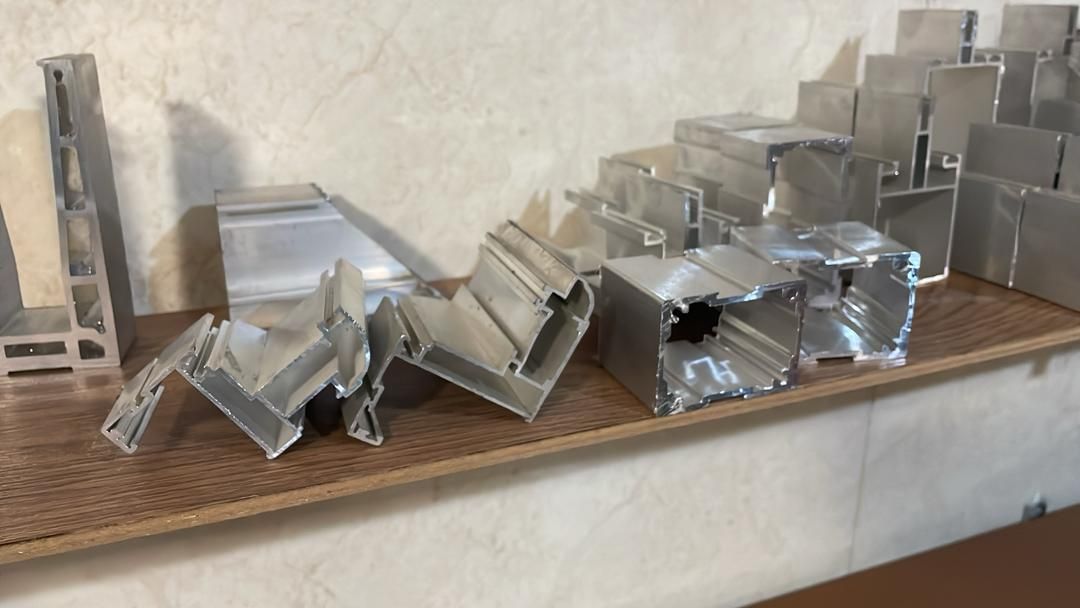
- Material Selection: The choice of materials for curtain walls greatly impacts their structural performance. Glass panels, aluminum frames, sealants, and insulation materials all play a role in how the curtain wall behaves under stress. Structural calculations need to take into account the properties and behavior of these materials to ensure the overall stability of the system.
- Connection Details: The connections between different components of the curtain wall, such as glass panels to aluminum frames, play a vital role in distributing loads and maintaining overall integrity. Ensuring the right connection details and fasteners are selected is essential to prevent potential failures.
- Thermal Expansion and Movement: Temperature fluctuations cause materials to expand and contract. Curtain walls must be designed to accommodate these movements without compromising structural integrity or causing leaks. Structural calculations should account for these dynamic forces to avoid problems over time.
- Finite Element Analysis: Advanced numerical methods like finite element analysis (FEA) are often employed for accurate structural calculations in complex curtain wall designs. FEA allows engineers to model the behavior of curtain walls under various conditions and simulate how they will respond to different loads.
- Sustainability: With an increasing emphasis on sustainable construction, curtain wall designs must also consider the environmental impact. Energy-efficient curtain walls not only reduce a building’s carbon footprint but also contribute to long-term cost savings. Structural calculations should incorporate thermal performance assessments and energy efficiency considerations.
- Manufacturability and Construction: While designing a structurally sound curtain wall is crucial, it’s equally important to ensure that the design can be manufactured and assembled efficiently. The feasibility of constructing the curtain wall as per the calculated design needs to be considered during the planning stages.
The Future of Structural Calculations in Curtain Wall Design
As technology continues to advance, the field of curtain wall design is also evolving. Building Information Modeling (BIM) tools, coupled with advanced simulation software, are becoming integral to the structural calculations process. These tools allow for more accurate modeling, analysis, and visualization of complex curtain wall systems.
Additionally, advancements in sustainable materials, such as photovoltaic glass and smart façade technologies, are influencing how curtain walls are designed and what types of forces they need to withstand. Structural calculations will need to adapt to incorporate the unique properties and challenges posed by these innovative materials and technologies.
Conclusion
Structural calculations are the cornerstone of effective curtain wall design, ensuring that these visually striking architectural elements can withstand the forces of nature while offering energy efficiency and aesthetic appeal. The marriage of accurate structural calculations with PDF documentation facilitates seamless communication, collaboration, and compliance in an increasingly digital construction landscape. As curtain wall design continues to push boundaries, engineers and designers must stay attuned to evolving technologies, materials, and methods to create curtain walls that are not only structurally robust but also environmentally responsible and visually captivating.
All-focus



Leave A Comment