
Horizontal louver facade detail
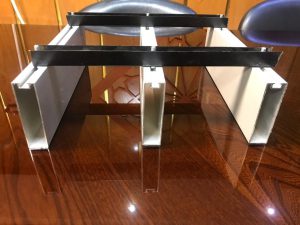
Horizontal louver facades are a popular design feature in modern architecture. They are used to add depth and texture to a building’s exterior while also serving practical purposes, such as sun shading and privacy. In this article, we will discuss the details of horizontal louver facades, including their construction, materials, and benefits.
Construction
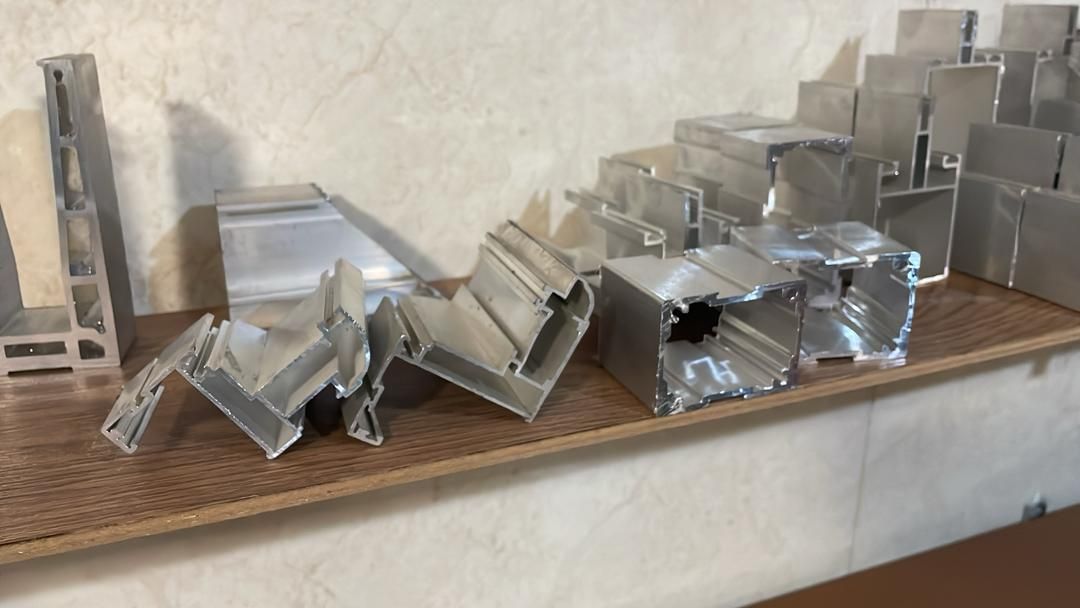
Horizontal louver facades are typically constructed using a frame system that supports the louvers. The frame system can be made of a variety of materials, such as steel, aluminum, or wood. The louvers themselves can also be made of different materials, including metal, wood, and composite materials.
One important aspect of the construction of horizontal louver facades is the spacing between the louvers. The spacing can vary depending on the desired effect, but generally, a spacing of between 4 and 12 inches is used. This spacing provides adequate sun shading while still allowing for natural light and ventilation.
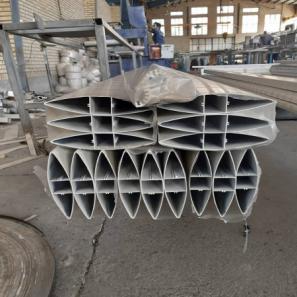
Another aspect of construction to consider is the orientation of the louvers. The orientation of the louvers can be fixed or adjustable. Fixed louvers are set at a specific angle and cannot be adjusted, while adjustable louvers can be moved to change the amount of sun shading or ventilation.
Materials
The materials used to construct horizontal louver facades can vary widely depending on the desired aesthetic and functionality. Some of the most common materials used for louvers include metal, wood, and composite materials.
Metal louvers are often made from aluminum or steel and are highly durable and weather-resistant. They can be powder-coated in a range of colors to match the building’s exterior. One benefit of metal louvers is that they require minimal maintenance, making them a popular choice for commercial and institutional buildings.
Wooden louvers are often made from cedar or redwood and provide a warm, natural aesthetic to a building’s exterior. Wooden louvers require more maintenance than metal louvers, but they can last for many years if properly cared for.
Composite materials, such as fiber cement or PVC, can also be used to make louvers. These materials are lightweight, durable, and require minimal maintenance. They can also be made to look like wood or metal, giving architects more design options.
Benefits
There are several benefits to using horizontal louver facades in building design. One of the main benefits is sun shading. Louvers can be angled to provide shade and reduce the amount of direct sunlight that enters a building’s interior. This can help to reduce cooling costs and create a more comfortable interior environment.
Another benefit of horizontal louver facades is privacy. Louvers can be spaced close together to create a solid barrier that blocks the view into a building’s interior. This is especially useful for commercial buildings or residential buildings that are located in urban areas.
Louvers can also provide natural ventilation to a building’s interior. By angling the louvers, air can be directed into a building, providing fresh air and reducing the need for artificial ventilation systems.
Finally, horizontal louver facades can add depth and texture to a building’s exterior. Louvers can be designed in a range of shapes and sizes to create unique patterns and designs. This can help to make a building stand out and give it a more modern and contemporary aesthetic.
Conclusion
Horizontal louver facades are a popular design feature in modern architecture. They provide several benefits, including sun shading, privacy, natural ventilation, and added depth and texture to a building’s exterior. When designing a horizontal louver facade, architects must consider the construction, materials, and orientation of the louvers to achieve the desired effect. Whether using metal, wood, or composite materials, a horizontal louver facade can add both functionality and aesthetic appeal to a building’s exterior.
In addition to the benefits already mentioned, horizontal louver facades can also provide energy efficiency. By reducing the amount of direct sunlight that enters a building, louvers can help to lower cooling costs and reduce the energy consumption of the building. This is particularly important in hot climates where air conditioning is needed for much of the year.
Horizontal louver facades can also be designed to be sustainable. Louvers can be made from materials that are renewable or recycled, and they can be designed to optimize natural light and ventilation, reducing the need for artificial lighting and ventilation systems. By incorporating sustainable design features into a horizontal louver facade, architects can create a building that is both aesthetically pleasing and environmentally responsible.
One of the challenges of designing a horizontal louver facade is balancing the desired aesthetic with the functional requirements of the building. Louvers must be angled and spaced to provide adequate sun shading and ventilation, but they must also be designed in a way that complements the overall design of the building. Architects must carefully consider the placement and orientation of the louvers to ensure that they achieve the desired effect while also meeting the functional requirements of the building.
Another consideration when designing a horizontal louver facade is maintenance. Depending on the materials used, louvers may require regular cleaning or treatment to prevent weather damage or wear and tear. Architects must choose materials that are durable and require minimal maintenance to ensure that the facade remains functional and aesthetically pleasing for many years to come.
Overall, horizontal louver facades are a versatile design feature that can add both aesthetic and functional benefits to a building’s exterior. From providing sun shading and privacy to adding texture and depth, horizontal louvers can help to create a building that is both visually striking and energy efficient. When designing a horizontal louver facade, architects must carefully consider the construction, materials, and orientation of the louvers to achieve the desired effect while also meeting the functional requirements of the building. With the right design and materials, a horizontal louver facade can be an enduring and sustainable addition to any building.

Leave A Comment