
Structural curtain wall PDF
Introduction:
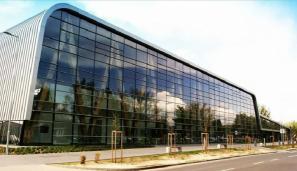
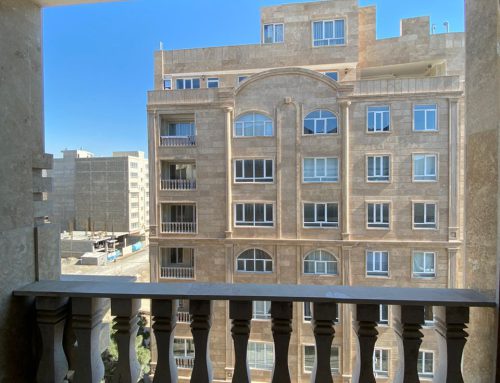
Curtain walls are external walls that are non-structural and do not support the weight of a building. They are usually made of lightweight materials like glass, aluminum, and steel and are designed to provide an aesthetic and functional barrier between the interior and exterior environment of a building. A curtain wall system is made up of several components that work together to create a stable and secure wall. One of the most common types of curtain walls is the structural curtain wall. In this article, we will explore the characteristics, benefits, and challenges of a structural curtain wall system.
What is a Structural Curtain Wall?
A structural curtain wall is a type of curtain wall system that is designed to support its own weight and the weight of the building’s components. The main feature of a structural curtain wall is its ability to transfer loads from the wall to the building’s primary structure, such as columns and beams. This type of curtain wall system is commonly used in high-rise buildings where the weight of the curtain wall system can be significant.
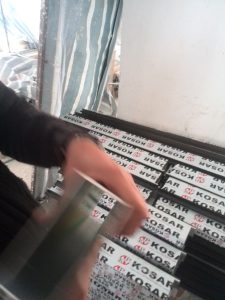
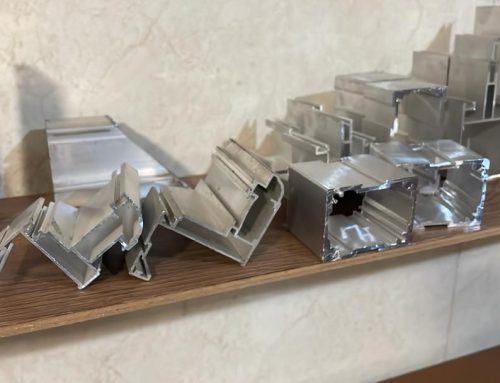
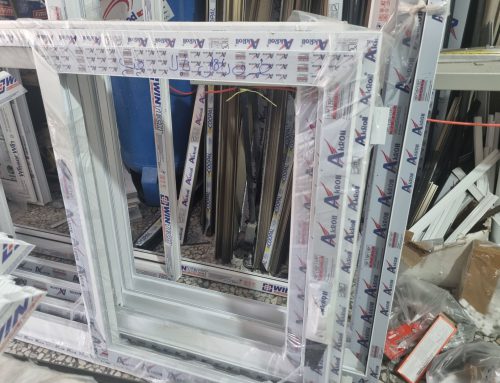
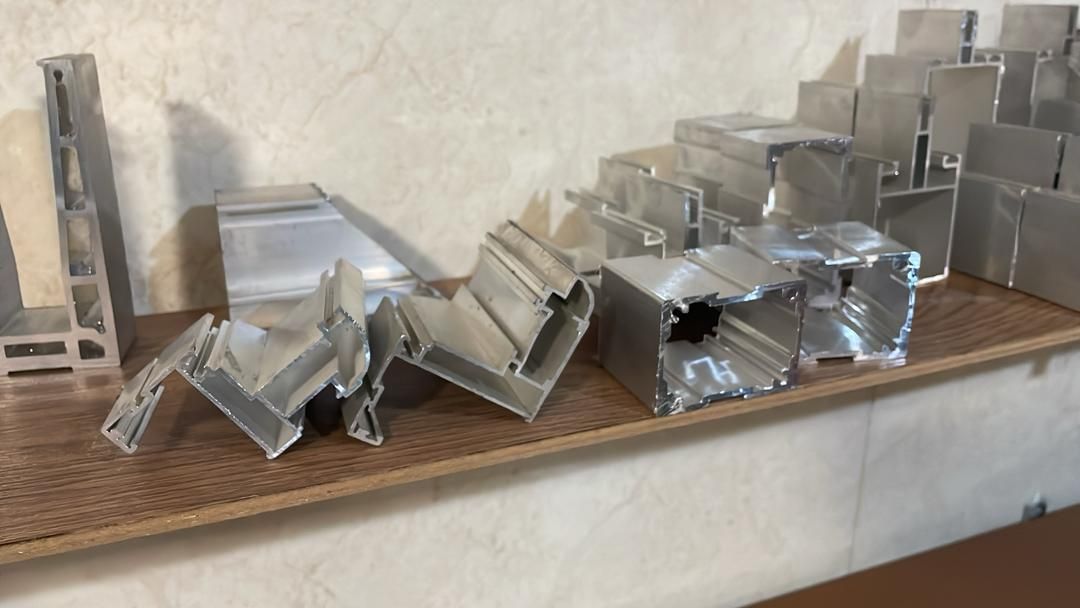
The structural curtain wall system is made up of several components, including vertical mullions, horizontal rails, glass panels, and fasteners. The mullions and rails are typically made of aluminum or steel and are designed to support the weight of the glass panels. The glass panels used in a structural curtain wall can vary in thickness and type, depending on the building’s design and intended use. In addition to the primary components, a structural curtain wall system may also include sealants, gaskets, and weather-stripping to provide insulation and prevent air and water infiltration.
Benefits of a Structural Curtain Wall System:
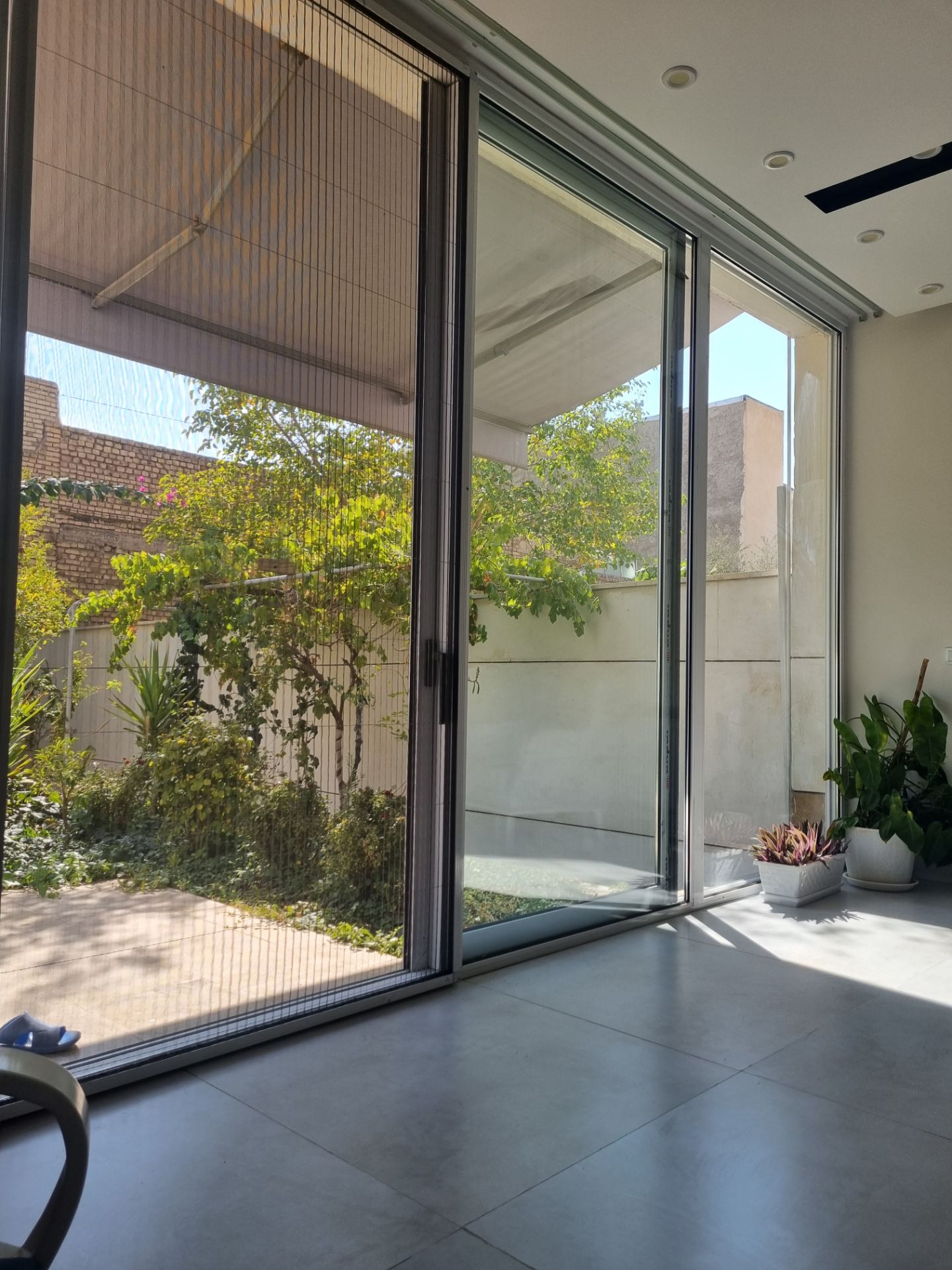
One of the main benefits of a structural curtain wall system is its ability to provide an aesthetically pleasing facade to a building. Because the system is made up of glass and metal components, it can create a modern and sleek appearance. Additionally, the transparency of the glass panels can allow for natural light to enter the building, which can reduce the need for artificial lighting.
Another benefit of a structural curtain wall system is its ability to provide energy efficiency. The use of glass panels can provide natural insulation and reduce the amount of energy needed to heat and cool a building. Additionally, the use of sealants, gaskets, and weather-stripping can prevent air and water infiltration, which can also reduce the building’s energy consumption.
A structural curtain wall system can also provide flexibility in design. Because the system is made up of modular components, it can be easily customized to fit the building’s design and requirements. The glass panels can be made in various shapes and sizes, and the mullions and rails can be designed to create different patterns and configurations.
Challenges of a Structural Curtain Wall System:
Despite the benefits of a structural curtain wall system, there are also some challenges associated with its use. One of the main challenges is the potential for water infiltration. Because the system is made up of glass panels and metal components, there is a risk of water leaking into the building if the sealants, gaskets, and weather-stripping are not properly installed or maintained.
Another challenge of a structural curtain wall system is its susceptibility to wind loads. Because the system is not attached to the building’s structural frame, it is more susceptible to wind loads. This can cause the system to move or sway, which can lead to the glass panels breaking or becoming dislodged.
Maintenance of a structural curtain wall system can also be challenging. Because the system is typically located high above the ground, it can be difficult and expensive to access for maintenance and repairs. Additionally, the use of sealants and gaskets can deteriorate over time, which can require regular maintenance and replacement.
Conclusion:
A structural curtain wall system is a popular choice for high-rise buildings due to its ability to provide an aesthetically pleasing facade, energy efficiency, and design flexibility. However, it also comes with challenges such as potential water infiltration, susceptibility to wind loads, and difficult maintenance.
To address these challenges, proper installation, maintenance, and regular inspections are essential. It is crucial to ensure that the sealants, gaskets, and weather-stripping are correctly installed and maintained to prevent water infiltration. To address wind loads, engineers can incorporate structural supports such as wind braces or use thicker glass panels that can withstand higher wind loads.
Maintenance and inspection of a structural curtain wall system should be conducted regularly to ensure the system’s integrity and prevent any potential hazards. Inspections should include checking for any cracks or damage to the glass panels, checking the sealants and gaskets for any signs of deterioration, and inspecting the fasteners and connections for any signs of wear or damage.
In conclusion, a structural curtain wall system is an excellent choice for high-rise buildings, providing an aesthetically pleasing facade, energy efficiency, and design flexibility. However, proper installation, maintenance, and regular inspections are crucial to address the challenges associated with its use. By taking these precautions, a structural curtain wall system can provide a safe and durable solution for high-rise buildings.

Leave A Comment